
Last updated November 2, 2026
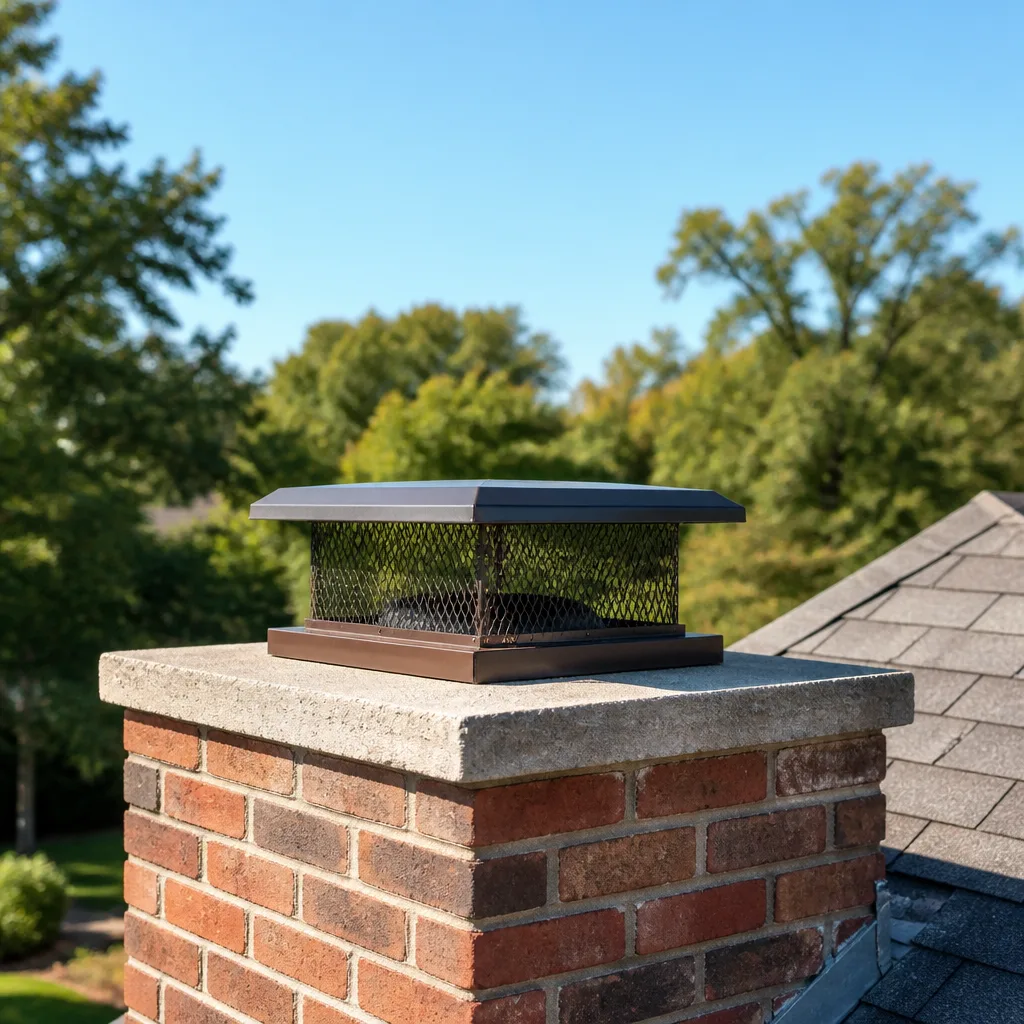 Sweep & inspection
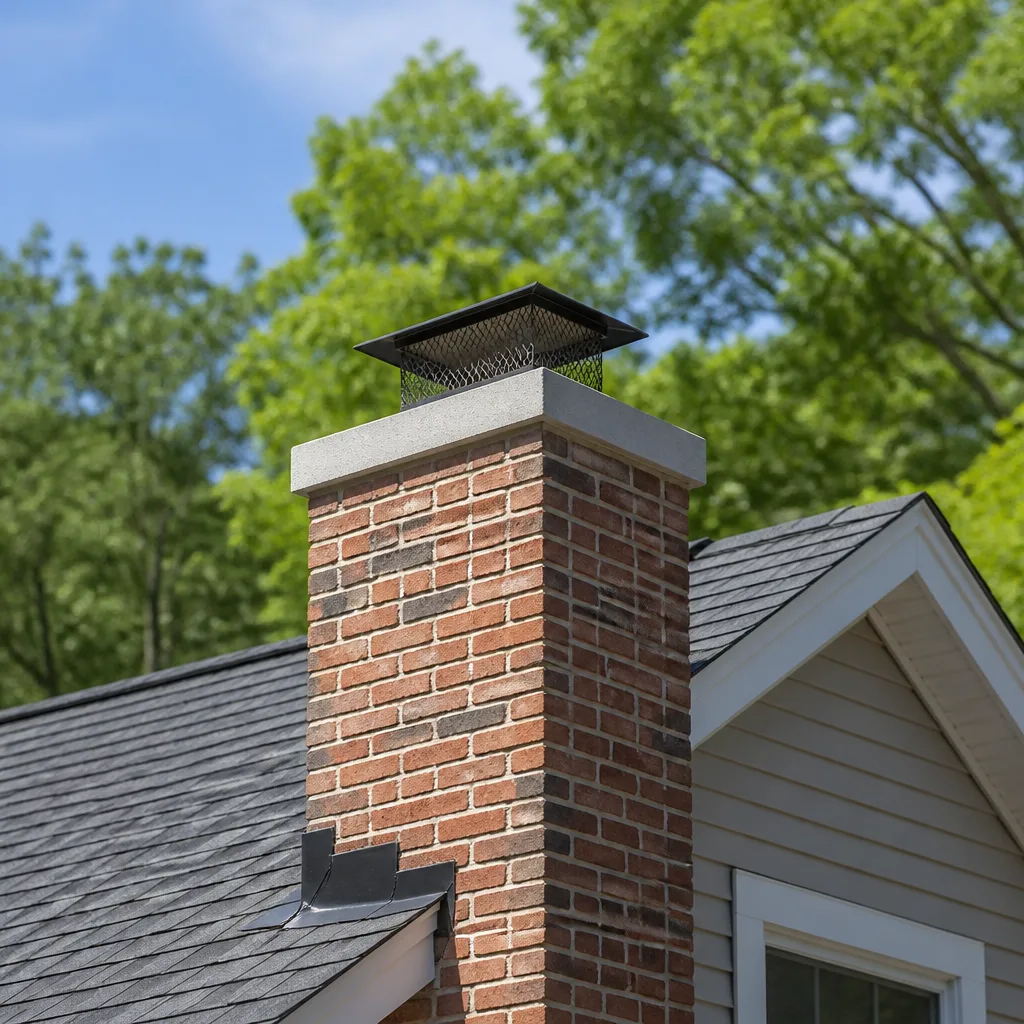 Caps & crowns
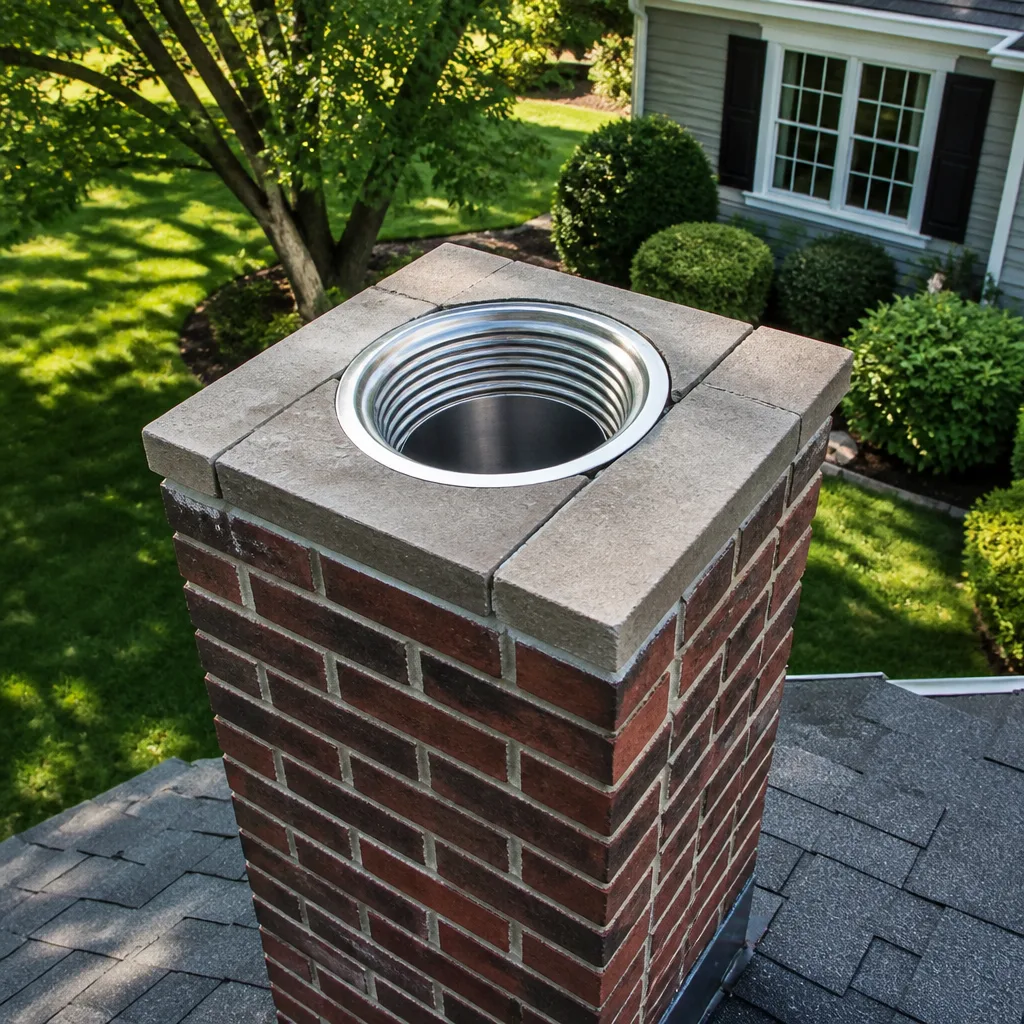 Flue relining
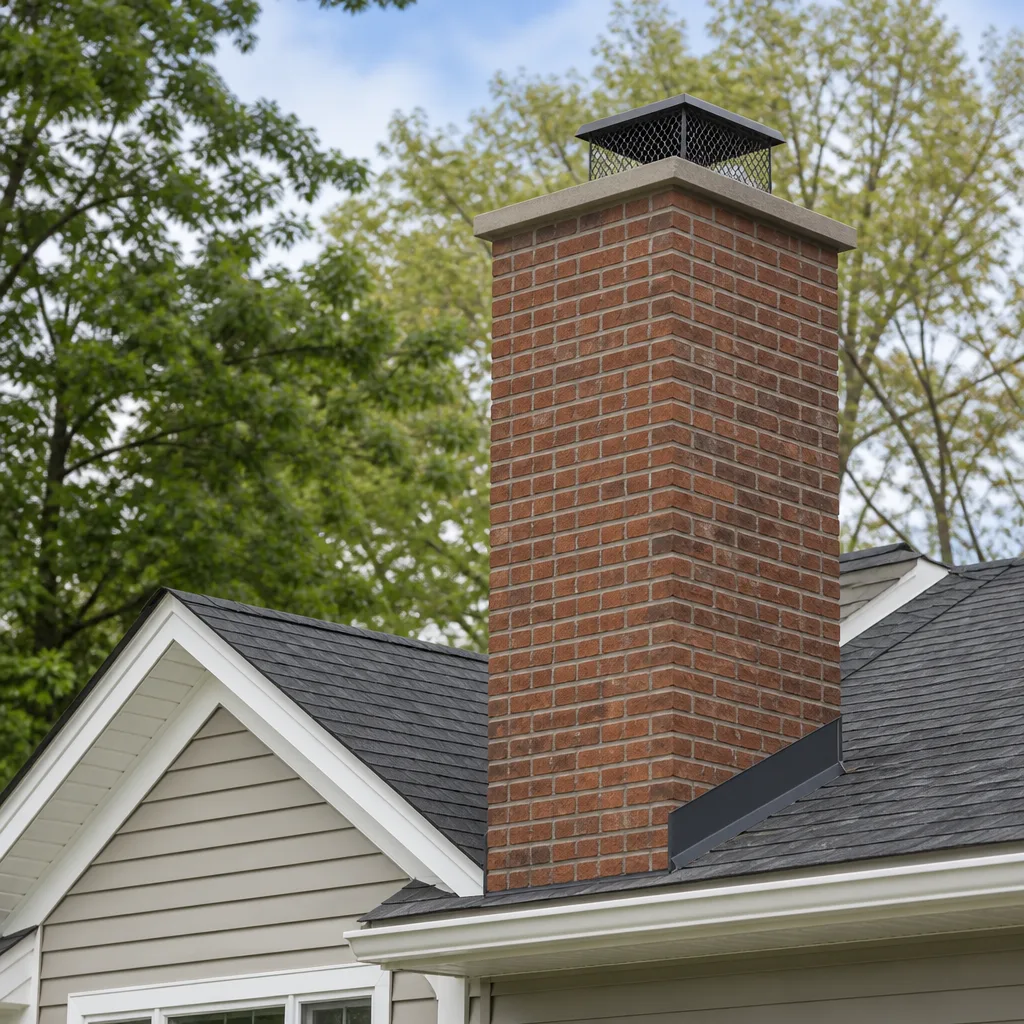 Masonry repair
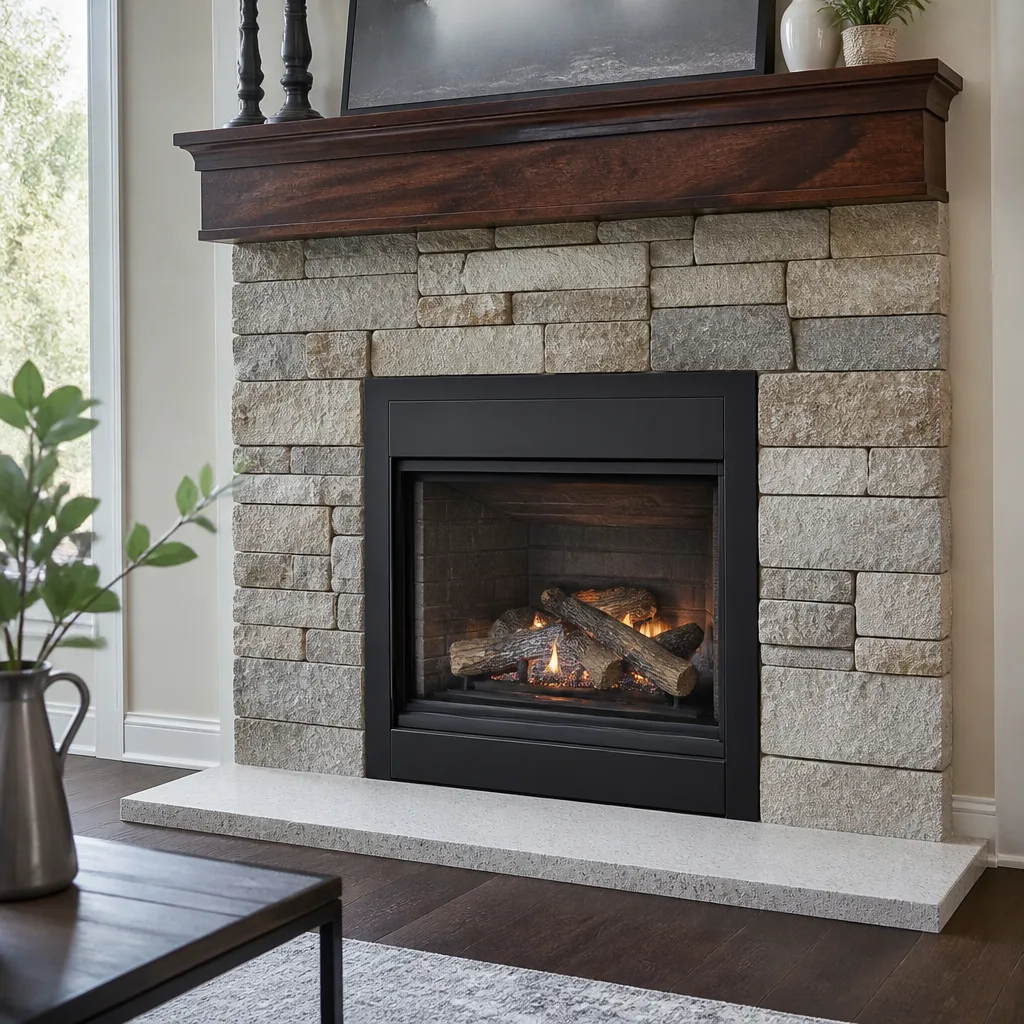 Gas fireplace service
Level 1 sweep and inspection to the NFPA 211 annual standard - flue, crown, cap, and flashing checked and photographed
Chimney sweep logs do not sweep chimneys. They loosen some creosote - which then falls where a brush and vacuum still have to collect it.
Chimney Cleaning Warning Signs: A Bernal Heights Homeowner’s Reference Guide
Most Bernal Heights homeowners don’t realize that the musty smell drifting from their fireplace in July has nothing to do with soot. It’s moisture. And moisture inside a flue is not a cleaning problem, it’s a structural problem, usually traceable to a failed crown wash or a missing cap. This guide and our Chimney Sweep Troubleshooting: Common Problems and How to Fix Them resource decode what your chimney is actually telling you when it smells, stains, smokes, or drafts strangely, so you can tell the difference between a $200 sweep and a $2,000 repair before you pick up the phone. You’ll learn which warning signs mean stop using the fireplace tonight, and which ones can wait until the next inspection cycle. Bernal Heights homes have specific vulnerabilities, and we’ll cover those too.
Styles & brands we work with
- Sweep & inspection
- Caps & crowns
- Flue relining
- Masonry repair
- Gas fireplace service
Quick Answer
The most common chimney warning signs in Bernal Heights are smoke rollout into the room, a persistent musty or creosote odor during warm weather, white staining (efflorescence) on exterior brick, slow or weak drafting, and visible cap or flashing damage. Any smoke entering the living space, a strong gas smell, or signs of active water intrusion into walls or ceilings means stop using the fireplace immediately and call a professional. Everything else can typically wait for a scheduled inspection, but should be documented and monitored.
Table of Contents
- Smoke Rollout: When Your Fireplace Fights Back
- The Odor Decoder: What Each Smell Actually Means
- Moisture Warning Signs: Efflorescence, Stains, and Brown Water
- Draft Problems: Negative Air Pressure vs. Structural Obstruction
- What to Check From the Ground: Exterior Warning Signs in Bernal Heights
- The Triage Framework: Stop-Now vs. Schedule-It Symptoms
- Creosote Signals: What Buildup Looks Like and Why It Matters
- Common Mistakes to Avoid
- When to Call a Professional
- Frequently Asked Questions
- The Bottom Line
Smoke Rollout: When Your Fireplace Fights Back
Smoke rollout is the single most serious warning sign a Bernal Heights homeowner can observe from inside the house. It means exactly what it sounds like: smoke that should be traveling up the flue is instead spilling into the living room. When we get called out for smoke rollout, the cause is almost always one of three things: a flue obstruction, a cold flue that hasn’t established draft yet, or a house that’s too tightly sealed to supply the fireplace with replacement air. Each requires a different fix, and guessing wrong means the problem keeps happening.
A flue obstruction is the most dangerous possibility. Bird nests, squirrel debris, fallen masonry, or heavy creosote accumulation can narrow the flue passage to the point where smoke no longer has a clear path upward. In Bernal Heights, where mature trees surround many hillside homes, animal entry through uncapped or damaged chimneys is common. If smoke rolls out on a warm-ish day when the chimney should draft easily, obstruction moves to the top of the suspect list. This is a stop-using-the-fireplace scenario until a camera inspection clears the flue.
The second cause, a cold flue, is more common in masonry chimneys on Bernal Heights’ cooler, fog-prone mornings. Cold air sits in the flue like a plug. When you light a fire, the smoke hits that cold plug and backs up into the room before the flue warms enough to create upward draft. The fix is usually simple: prime the flue by holding a lit rolled newspaper near the damper for 60 to 90 seconds before lighting the main fire. If rollout persists after priming, it’s not a cold flue, it’s something else.
The third cause, negative air pressure, we’ll address in the draft section below. It’s a growing issue in modernized Bernal Heights homes where weatherization upgrades have sealed the building envelope tightly. For now, know this: if your chimney smokes only when the furnace kicks on, the bathroom fan runs, or the kitchen exhaust is active, negative air pressure is likely the culprit, not the chimney itself.
The Odor Decoder: What Each Smell Actually Means
Chimney odors are the warning sign homeowners misread most often. A smell is not a single problem; it’s a diagnostic clue, and different odors point to different mechanical failures. Here’s how to decode what you’re smelling.
Creosote smell during summer months: This is the classic “campfire in July” odor that drifts into the living room when the fireplace hasn’t been used in months. Most homeowners assume it means the chimney needs cleaning. It usually doesn’t. The real culprit is a damper that isn’t sealing properly, allowing warm outdoor air to flow down the flue, pick up creosote odor from the flue walls, and carry it into the house on humid or warm days. The fix is a damper inspection and potentially replacement. In older Bernal Heights homes with original throat dampers, warped or rusted damper plates are common infrastructure failures, not cleaning failures. A professional-grade replacement damper from a brand like Gelco resolves the issue permanently in most cases.
Musty or mildew smell: This is moisture, not creosote. The source is usually water entering through a failed crown, cracked mortar joints, or a missing cap. Once water saturates the flue interior and mixes with soot deposits, it creates that damp, organic smell. Sweeping the flue will remove the soot temporarily, but the odor returns within weeks because the water entry point hasn’t been addressed. This is the scenario from our opening: the smell is a moisture infiltration signal, and the repair path runs through masonry work or cap replacement, not a cleaning appointment.
Sharp, acrid smell after rain: This points to water mixing with creosote to form an acidic slurry that etches flue tiles and corrodes metal components. In marine-influenced Bernal Heights air, the moisture carries additional salts that accelerate this process. The smell is often strongest near the bottom of the chimney, inside the cleanout door area. Left untreated, this condition damages flue liners and can require ceramic resurfacing with a system like HeatShield to restore the flue’s integrity without a full relining.
Gas or sulfur smell from a gas fireplace or insert: This is never normal. A natural gas smell indicates a leak in the supply line or fitting. A sulfur or “rotten egg” smell means the odorant added to natural gas is present in the room, which happens when combustion byproducts are spilling instead of venting. Treat this as a stop-using-the-appliance-now scenario and call both your gas utility and a Chimney Sweep in Bernal Heights for a venting inspection.
Moisture Warning Signs: Efflorescence, Stains, and Brown Water
Moisture is the slow killer of masonry chimneys, and Bernal Heights gets enough fog, marine air, and winter rain to make it a year-round concern. The good news is that moisture leaves visible fingerprints long before structural failure occurs. Learning to read those fingerprints from the ground can save you thousands.
White staining (efflorescence): That chalky white residue on exterior brick is dissolved salt being deposited as water evaporates from the masonry surface. It means water is moving through the brick and mortar, carrying minerals from inside the structure to the outside. Efflorescence itself isn’t structurally dangerous, but it proves that water penetration is happening. In Bernal Heights, where many chimneys are unlined or have original clay liners from mid-century construction, this is a common early warning sign. If the staining appears in vertical streaks, especially in bands, it often indicates a damaged or absent cap letting water run down the flue interior.
Brown or rust-colored staining: Brown staining means the water moving through your chimney has picked up iron, which usually comes from two places: a rusting damper assembly or a rusting steel liner. This is a more advanced warning sign than efflorescence because it signals active corrosion inside the flue. A rusting damper is replaceable. A rusting liner is a more serious situation that may call for a stainless liner installation using a system like DuraFlex, which handles the offsets and bends common in older Bernal Heights chimneys.
Water in the firebox after rain: This is the most direct moisture warning sign you can observe. Water pooling in the firebox, dripping sounds inside the chimney during storms, or damp ashes after rain all point to cap failure, crown failure, or flashing failure. The triage question is which one. Water running down the flue walls indicates a top-side problem: cap or crown. Water appearing near the ceiling line or along the chimney’s interior wall contact point indicates flashing failure at the roofline. These are different repairs with different costs, and a camera inspection from a Chimney Repair in Bernal Heights provider is the reliable way to pinpoint the source.
Interior wall or ceiling staining near the chimney chase: Brown or yellow water marks on drywall adjacent to the chimney means water is escaping the chimney structure entirely and entering the building envelope. This is the most urgent moisture warning sign because it means the moisture problem has progressed to threatening your home’s framing, insulation, and drywall, not just the chimney itself. Schedule inspection promptly, and in the meantime, keep an eye on the stain’s growth rate. A spreading stain means active water entry.
Draft Problems: Negative Air Pressure vs. Structural Obstruction
Draft complaints are where we see the most misdiagnosis in Bernal Heights. Homeowners call expecting a chimney cleaning, and sometimes that’s the right call. But in a significant percentage of cases, especially in homes that have undergone weatherization or window replacement, the draft problem has nothing to do with the flue. Here’s how to tell the difference.
The negative air pressure test: Negative air pressure occurs when the house is sealed tightly enough that the fireplace can’t pull replacement air from anywhere. Modern double-pane windows, new door seals, added insulation, and blocked crawlspace vents all reduce air infiltration. When the fire burns, it consumes room air. If that air can’t be replaced, the house pressure drops below outdoor pressure, and the chimney, which is the path of least resistance, starts pulling air down instead of venting up. The signature symptom: the fireplace drafts fine when a window is open but smokes when windows and doors are closed. Another tell: smoke rollout happens primarily when the furnace, kitchen exhaust, or bathroom fans are running.
The fix for negative air pressure is supplemental combustion air, not chimney work. This can mean a dedicated outside air intake for the fireplace, a slight damper adjustment, or in some cases, a makeup air system for the house. A chimney sweep who’s familiar with Bernal Heights building stock will recognize this pattern quickly and won’t sell you a flue cleaning you don’t need. For a full maintenance overview, see our Chimney Sweep Maintenance Checklist for Bernal Heights Homeowners.
The structural obstruction test: An obstruction causes consistent poor drafting regardless of windows, fans, or weather. The draft was fine last year and now it’s not, or the draft has been slowly degrading. Symptoms include smoke that spills out on startup and never fully corrects, unusual sounds from the flue (scratching, flapping, falling debris), and visible debris at the fireplace base or cleanout. In Bernal Heights, where uncapped chimneys sit near mature eucalyptus and oak canopies, bird nesting and squirrel activity are leading causes of obstruction. Obstruction requires removal, not just cleaning, and often a cap installation afterward using components from manufacturers like Olympia Chimney or Famco to prevent recurrence.
The quick differential: If opening a window fixes the draft immediately, it’s negative pressure. If opening a window doesn’t help at all, it’s likely obstruction or a cold flue. If the problem responds to neither window-opening nor flue priming, schedule a camera inspection to look at the flue interior directly.
What to Check From the Ground: Exterior Warning Signs in Bernal Heights
You don’t need a ladder to perform a useful chimney inspection. Most of the important exterior warning signs are visible from the sidewalk, the yard, or an upstairs window with a decent sightline. Here’s what Bernal Heights homeowners should look for when walking the property perimeter.
- Spalling brick patterns: Spalling is brick face material flaking or popping off, leaving recessed, jagged patches. It’s caused by water absorption followed by freeze-thaw cycling, which is less common in Bernal Heights than in colder climates, but still occurs on shaded, north-facing chimneys that hold moisture. Spalling is structural degradation, not cosmetic. Once brick faces begin failing, the chimney’s ability to shed water drops dramatically, accelerating further damage.
- Mortar color change: Mortar joints that were originally gray or tan but now look white, chalky, or eroding are signaling water damage and age-related deterioration. Run your eye up the mortar lines. If you see sections where mortar is visibly recessed, crumbling, or missing, water is getting between the bricks. Repointing (grinding out old mortar and replacing it) is the standard repair for this condition.
- Cap rust or absence: The chimney cap is the metal or masonry covering at the flue opening. If it’s missing entirely, that’s an open invitation for birds, rain, and debris. If it’s rusted through, it’s no longer doing its job even if it’s still mounted. Stainless caps from manufacturers like Copperfield solve this permanently, resisting the corrosion that eats standard galvanized caps in marine air environments like Bernal Heights.
- Flashing separation: Flashing is the metal seal where the chimney meets the roofline. Look for sections that are lifting away from the brick, curling at the edges, or showing gaps. Silicone caulk smeared over failing flashing is a telltale sign of a previous patch job that’s now failing. Proper flashing repair means mechanical attachment into the mortar joints, not adhesive.
- Chimney lean or offset: A chimney that’s visibly tilted, or a section that looks shifted relative to the rest of the structure, is a serious structural warning. Any visible lean, even a degree or two, warrants immediate professional evaluation. This isn’t a repair that can wait.
If you’re not comfortable evaluating these signs yourself, or your chimney is difficult to see from ground level, a professional chimney sweep in Bernal Heights can perform the exterior assessment as part of a standard inspection. Most Chimney Sweep Bernal Heights home service visits include a ground-level exterior evaluation alongside the interior flue inspection.
The Triage Framework: Stop-Now vs. Schedule-It Symptoms
Every chimney warning sign falls into one of two buckets: stop using the fireplace immediately, or schedule an inspection at your earliest convenience. Misclassifying either direction creates risk. Here’s the framework we use with Bernal Heights homeowners.
Stop-Now Symptoms (Discontinue fireplace use until a professional evaluates)
- Smoke entering the living space under any conditions other than a brief cold-start rollout that resolves with priming
- Any natural gas or sulfur odor from a gas fireplace or insert
- Active water intrusion into the firebox, walls, or ceiling during or shortly after rain
- Visible structural movement of the chimney, including any new lean, offset, or fresh cracking
- Chimney fire smell: a hot, oily, or acrid odor accompanied by a loud roaring or rumbling sound from the flue, or visible flames shooting from the top of the chimney
- Falling debris inside the firebox or at the cleanout that appears to be brick, mortar, or flue tile fragments
Schedule-It Symptoms (Safe to wait for a scheduled inspection, but don’t ignore indefinitely)
- Summer creosote odor with no other active symptoms (damper issue, not a fire hazard in the meantime)
- Efflorescence on exterior brick with no other moisture symptoms
- Occasional cold-start smoke that resolves with flue priming and stays resolved
- Visible cap rust with no water intrusion evidence yet
- Slow draft that improves when a window is opened (negative pressure; plumbing and HVAC evaluation may be needed alongside chimney work)
- Routine condition checks that simply haven’t been done in over a year
The key distinction: anything involving fire, gas, or water actively entering the living space is a stop-now. Everything else is a schedule-it. When in doubt, err toward caution. A professional evaluation is cheaper than a chimney fire’s aftermath.
Creosote Signals: What Buildup Looks Like and Why It Matters
Creosote is the byproduct of incomplete wood combustion. It condenses on flue walls as smoke cools during its journey upward. In Bernal Heights, where many homes burn seasoned oak or use their fireplaces only occasionally, creosote accumulation patterns vary widely. The warning signs of creosote problems are less visible than you might expect, which is why regular inspection matters.
Stage 1 (dusty soot): Light, powdery, gray-brown coating. This is normal and removed easily with standard brushing. Not a significant fire risk if swept annually.
Stage 2 (granular or flaky): Crunchy, crystalline deposits that resist brushing. This is often mistaken for Stage 1 by homeowners but requires more aggressive mechanical removal. Left in place, it provides the fuel for a chimney fire.
Stage 3 (glazed or tar-like): A hard, shiny, dark material that can look like wet black glass. This is the most dangerous form of creosote. It ignites at lower temperatures than other stages, burns extremely hot once lit, and often requires chemical treatment followed by rotary cleaning to remove. Some cases require HeatShield ceramic resurfacing after removal if the underlying flue liner has been damaged by a previous chimney fire or prolonged creosote exposure.
How to observe creosote yourself: Open the damper and shine a flashlight up the flue. Look for a shiny black coating on the walls. If you can see thick, tar-like deposits, schedule a professional sweep. Use a proper chimney brush or call a professional; creosote residue is acidic and can irritate skin and lungs. Also check for creosote odor transfer into the house, which indicates excessive buildup even if you can’t see it from below.
The connection to your dryer vent is worth noting here. Both chimneys and dryer vents handle combustion or heat-adjacent exhaust, and both suffer from buildup of flammable material. In a dryer vent, it’s lint. In a chimney, it’s creosote. If you’re having your chimney addressed, consider having the Dryer Vent Cleaning in Bernal Heights handled in the same visit. It’s the other exhaust pathway in your home that carries fire risk, and most Bernal Heights homeowners haven’t had it cleaned since installation.
Common Mistakes to Avoid
- Treating every chimney odor as a cleaning issue. As covered above, summer creosote smell is usually a damper problem, and musty smell is usually moisture. Calling for a sweep when you need a damper replacement means the smell returns and you’ve paid for the wrong service.
- Ignoring efflorescence because “the chimney’s always looked like that.” Efflorescence is a sign of active water movement. Waiting until the bricks start spalling means a more expensive repair than addressing the moisture source early.
- Assuming a new cap fixes all water problems. A cap stops water entering from the top opening. It does nothing for water entering through cracked crowns, failed flashing, or porous masonry. The complete moisture path matters, not just the flue opening.
- Burning unseasoned wood to save money. Wet wood produces more creosote and burns cooler, which means more creosote condenses on flue walls. In Bernal Heights’ damp climate, proper wood seasoning is especially important. Seasoned wood (20% moisture or below) burns clean and hot.
- Sealing up the house without addressing combustion air. Window replacement, added insulation, and weatherstripping can turn a properly drafting fireplace into a smoke producer. If you’re doing energy upgrades, mention your fireplace to your contractor or chimney professional so combustion air is part of the planning.
- Using the fireplace during a chimney fire scare without verification. If you suspect a chimney fire occurred (loud roar, popping sounds, intense top-side flames, a smell like hot tar), don’t use the fireplace again until a professional has inspected the flue. Chimney fires can crack flue liners invisibly, creating a direct path for the next fire’s heat into your home’s structure.
- Relying on visual flue inspection from the bottom only. You can see the first few feet of flue from the firebox, but the upper two-thirds, where many problems develop, is invisible without a camera. Professional inspections use camera systems precisely because the critical areas aren’t visible from below.
When to Call a Professional
Call a professional when any stop-now symptom appears, when schedule-it symptoms persist beyond one season, or when you haven’t had an inspection in over a year and plan to use the fireplace regularly. Also call if you’ve bought a home in Bernal Heights and don’t have documentation of the chimney’s recent service history; inherited fireplaces carry inherited problems. Any visible lean, active water intrusion, gas odor, or smoke entering the room warrants a same-week professional visit. For everything else, an annual inspection with a sweep covers the baseline. Chimney Repair in Bernal Heights professionals can also evaluate structural issues found during annual service. Chimney Sweep Bernal Heights offers free estimates in Bernal Heights. Call (844) 745-4668 to schedule.
Frequently Asked Questions
A standard chimney sweeping in Bernal Heights typically runs between $150 and $300 depending on flue condition, accessibility, and whether the chimney has been recently serviced. Prices rise when heavy creosote removal, animal nest extraction, or camera inspection is required. Call (844) 745-4668 for an exact quote for your chimney; estimates are free.
The National Fire Protection Association recommends annual inspection and sweeping as needed. In Bernal Heights, where fireplaces often see seasonal use rather than daily winter burning, many homeowners can go 18 to 24 months between cleanings if they burn seasoned wood and don’t experience draft problems. The safest approach: schedule an annual inspection, and let the inspection findings determine whether a sweep is needed that year.
Summer campfire odor from a fireplace is caused by warm air flowing down the flue through an improperly sealing damper, picking up creosote odor, and entering the living space. It’s a damper seal problem, not a cleaning-frequency problem. The fix is damper adjustment or replacement, not flue cleaning.
You need a new liner or liner repair when the existing liner has cracks, gaps, or deterioration that allows heat or combustion gases to escape the flue path. A reputable professional will show you camera footage of the damage and explain what it means. If a recommendation comes without camera evidence you can see yourself, get a second opinion. For liner damage that hasn’t yet progressed to structural failure, HeatShield ceramic resurfacing can often restore the flue without a full relining, at a lower cost.
Creosote accumulates in stages, moving from dusty soot to granular deposits to glazed, tar-like coating. Each stage increases fire risk, and Stage 3 creosote can fuel a chimney fire that reaches 2,000 degrees Fahrenheit, hot enough to crack flue liners, ignite surrounding framing, and spread to the rest of the house. Skipping cleaning also allows moisture problems to progress undetected, since cleaning visits are when many structural issues are first discovered. The risk of skipping is not just dirt; it’s fire and water damage compounding silently.
You can perform a useful ground-level exterior check using the framework in this guide, and you can look up the flue from the firebox with a flashlight. What you cannot do from these positions is see the upper flue, the crown, the cap underside, or the liner interior, which is where many significant problems develop. Professional inspections use camera systems to view these areas. A homeowner check is a good supplement to professional inspection, not a replacement for it. If your DIY check reveals any stop-now symptoms, call (844) 745-4668 for a professional evaluation.
The Bottom Line
Chimney warning signs in Bernal Heights are specific, decodable, and actionable once you learn what each one signals. Smoke rollout means obstruction, cold flue, or negative pressure; each has a distinct fix. Odors break down by type: creosote smell points to damper failure, musty smell points to moisture entry, gas smell demands immediate shutdown. Exterior signs like efflorescence, spalling, and flashing separation tell you where water is getting in. The triage framework keeps the urgent separate from the routine. Most importantly, you don’t need to diagnose everything yourself. A professional inspection with camera evidence gives you certainty, and from there the repair path, whether it’s a sweep, a damper replacement, liner resurfacing, or masonry work, becomes clear. Your chimney is a system with known failure modes, and once you learn to read the signs, you’ll know exactly when to act.
Written by the team at Chimney Sweep Bernal Heights, serving Bernal Heights since 2016.
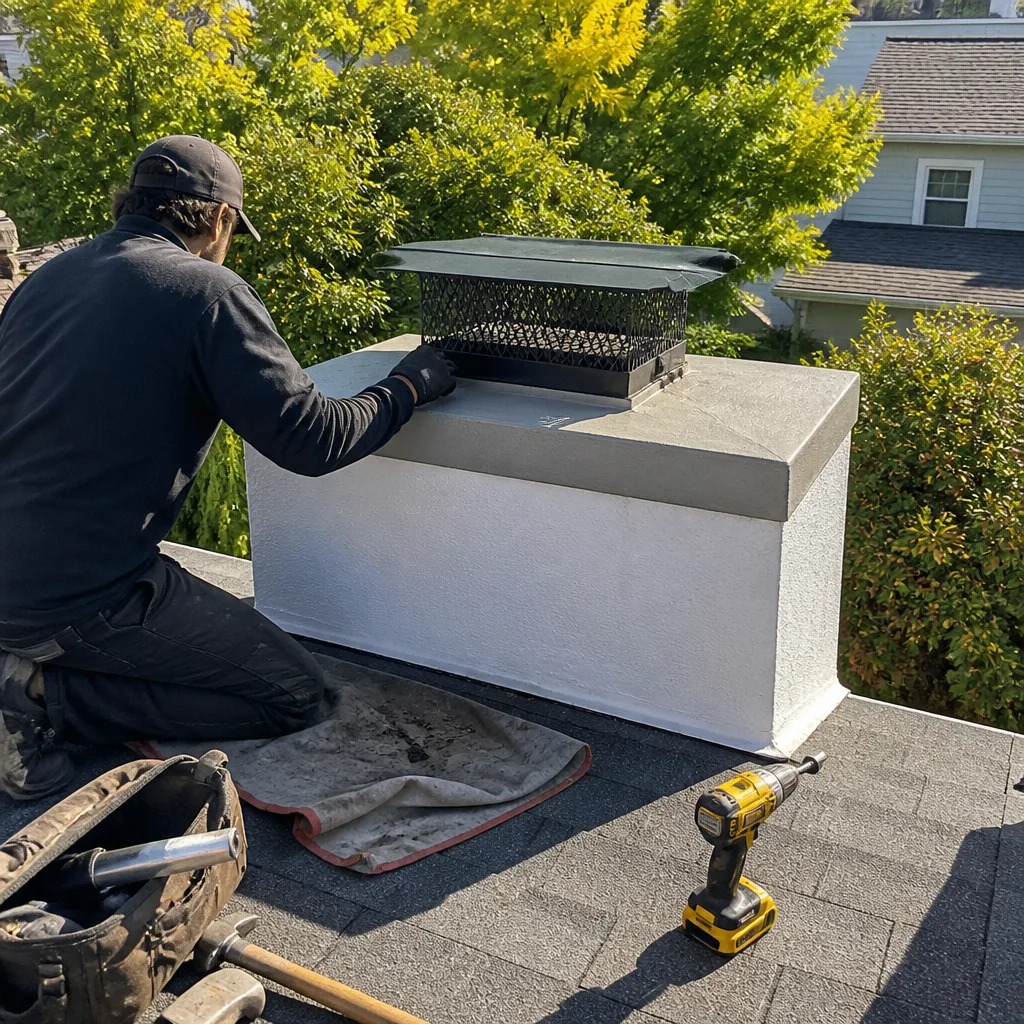
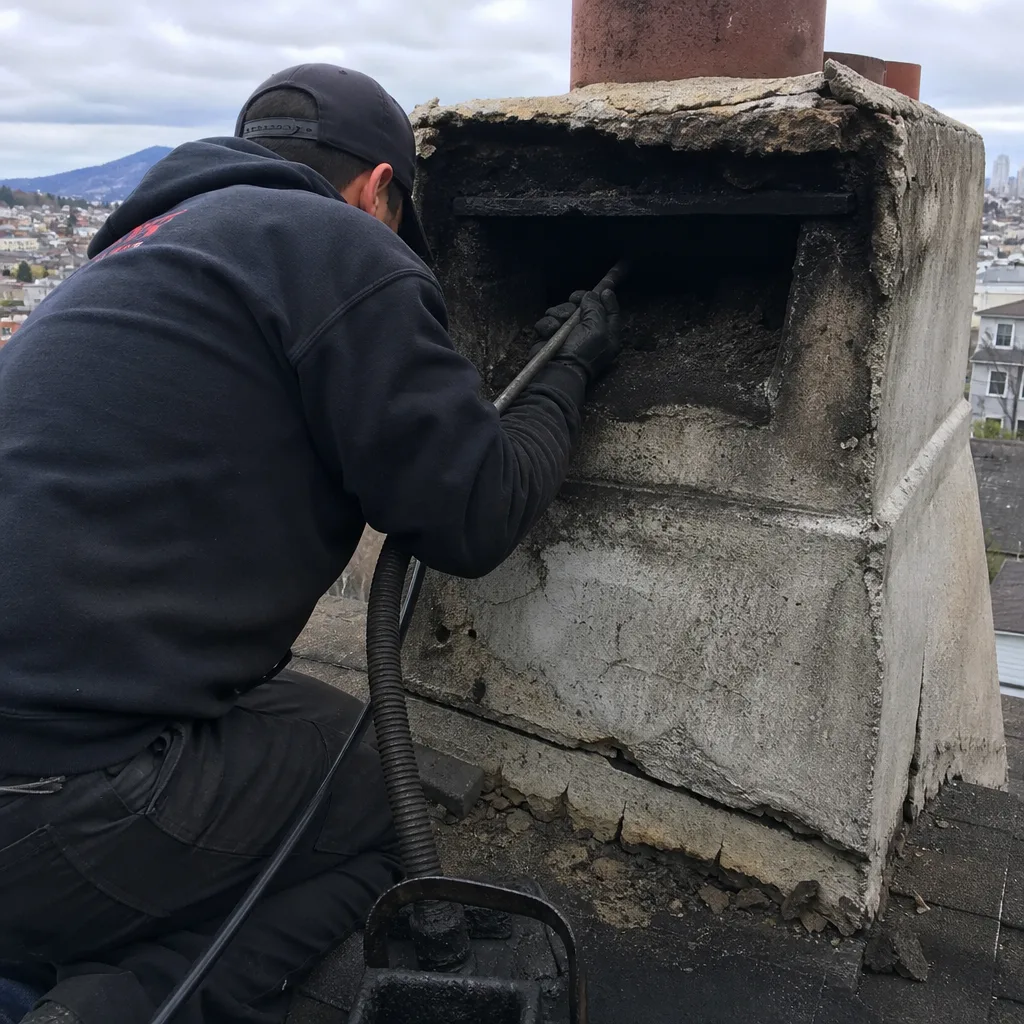
See the difference
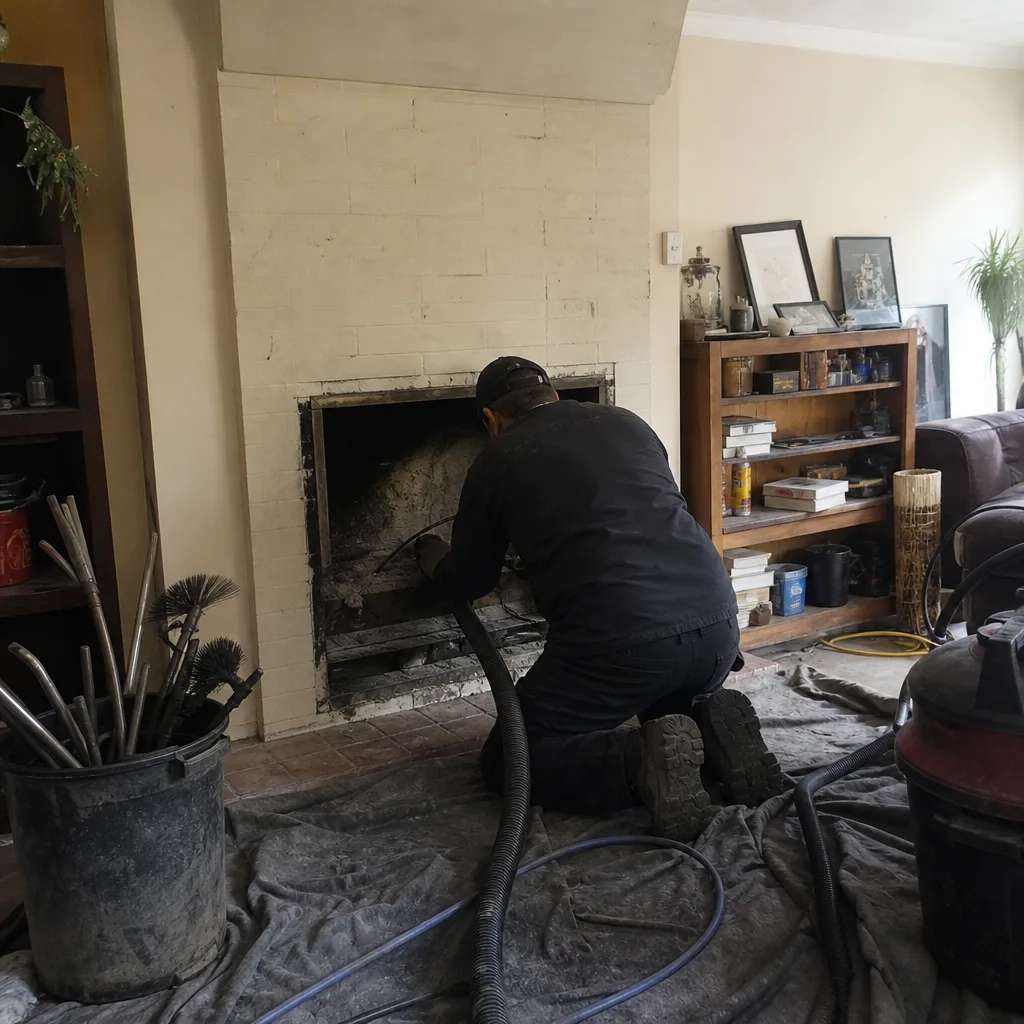 Before
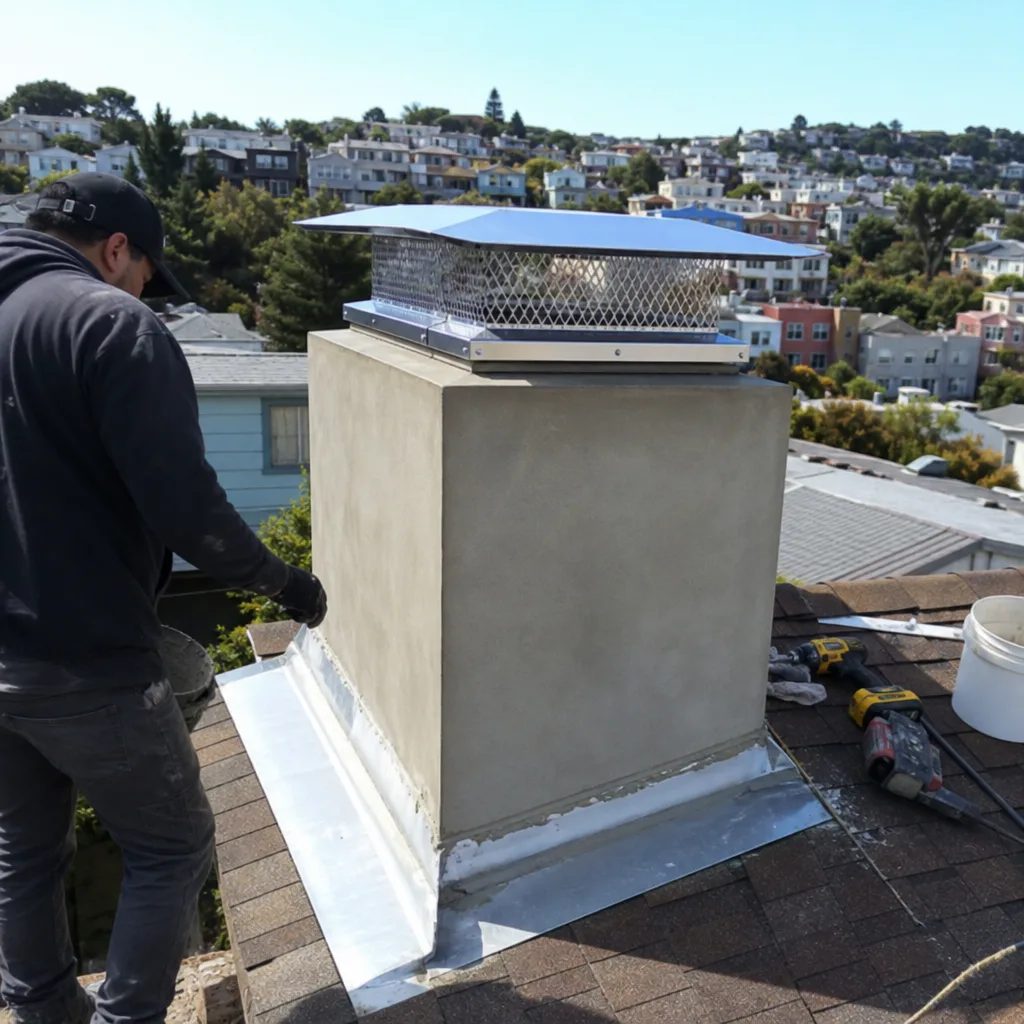 After
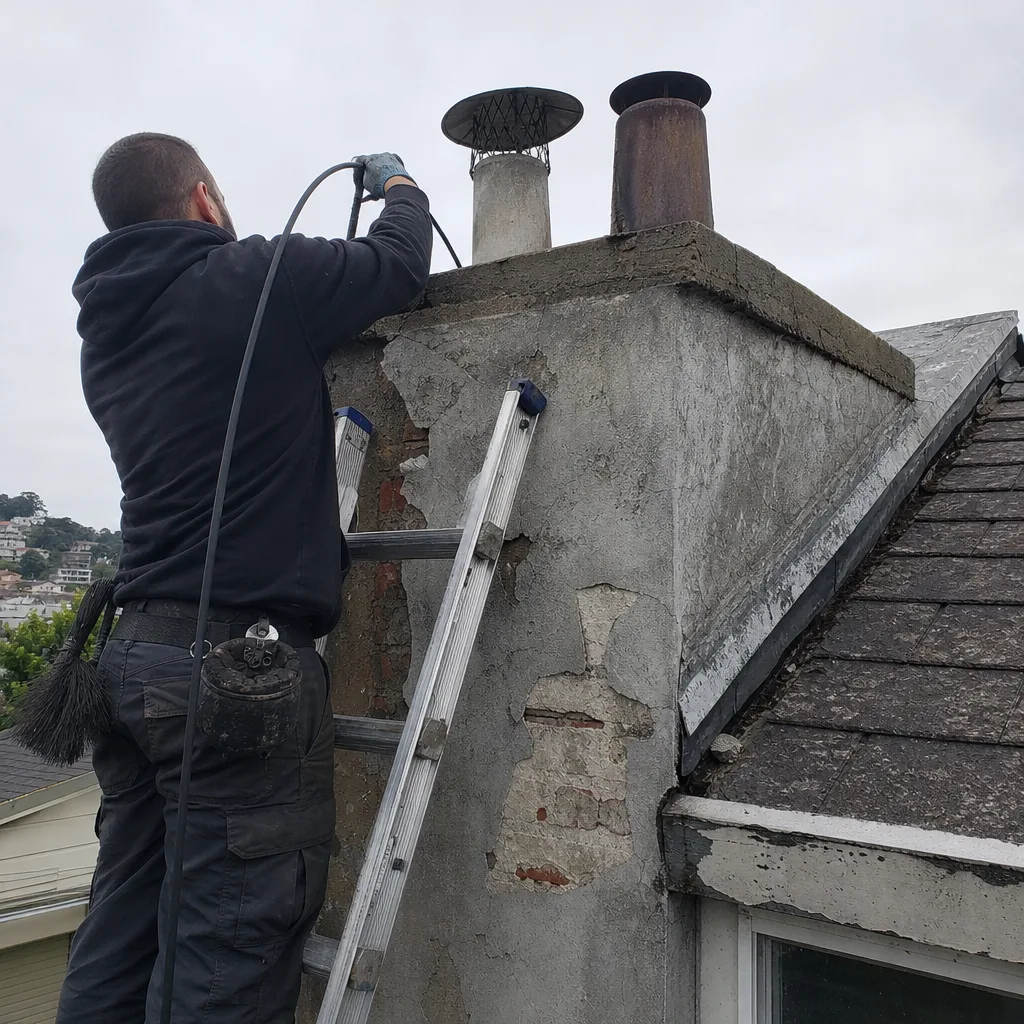 Before
 After
 Before
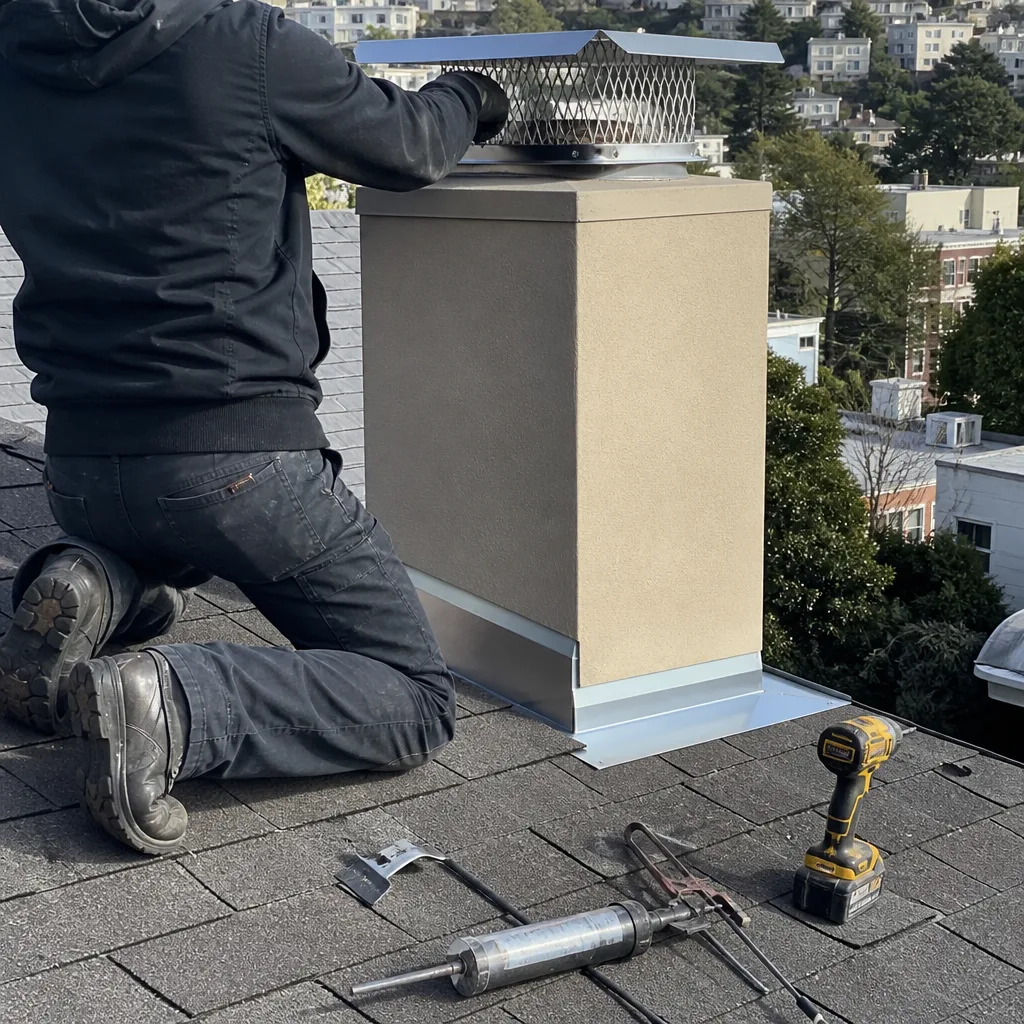 After