Last updated November 2, 2026
 Sweep & inspection
 Caps & crowns
 Flue relining
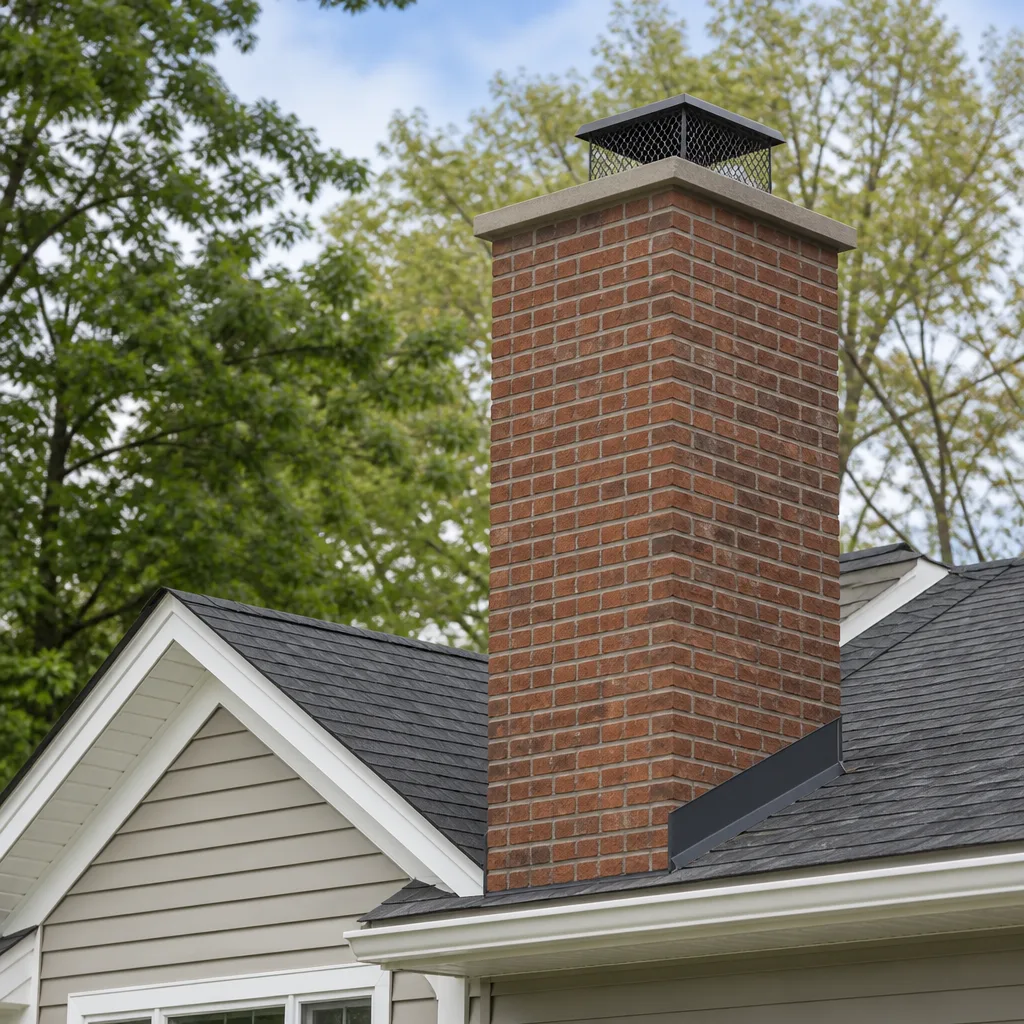 Masonry repair
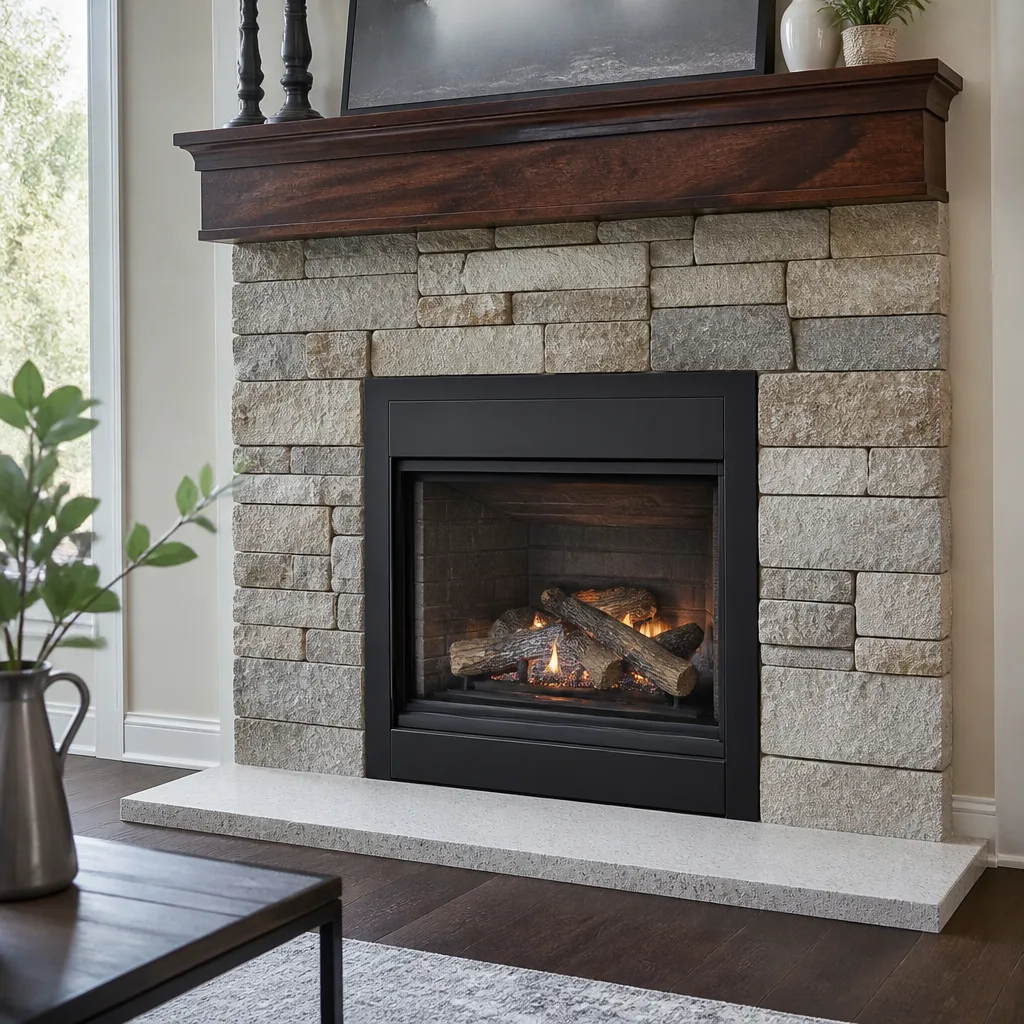 Gas fireplace service
Level 1 sweep and inspection to the NFPA 211 annual standard - flue, crown, cap, and flashing checked and photographed
Chimney sweep logs do not sweep chimneys. They loosen some creosote - which then falls where a brush and vacuum still have to collect it.
Choosing the Right Chimney Cleaning Brand: A Buyer’s Guide for Bernal Heights
Here’s a counterintuitive fact about chimney work: the difference between a repair that lasts twenty years and one that fails in three often comes down to a product catalog, not a technician’s handshake. Most Bernal Heights homeowners spend hours comparing service prices and reading reviews, but almost no one asks the question that actually predicts repair longevity: what brands are going into my chimney? This guide will change that. You’ll learn which product categories matter, which manufacturer names signal trade-level standards, and how to evaluate a Bernal Heights chimney company by the materials they use, not just the estimate they give.
Quick Answer
The right chimney cleaning brand in Bernal Heights – whether you choose DIY or professional chimney cleaning – is one that can name its material suppliers on the spot: the liner system manufacturer, the crown coat product, the cap brand, and the sealant they use. Companies that use professional-grade products from established manufacturers like DuraFlex, HeatShield, Gelco, Olympia Chimney, Famco, and Copperfield are signaling documented performance specs and warranty backing. Companies that say “we use professional-grade materials” without naming a single brand are usually using whatever the local supply house had on sale.
Styles & brands we work with
- Sweep & inspection
- Caps & crowns
- Flue relining
- Masonry repair
- Gas fireplace service
Table of Contents
- Why Product Brands Matter More Than Technique
- The Benchmark Product Categories Every Chimney Company Should Be Able to Name
- What Bernal Heights’ Coastal Climate Does to Chimney Materials
- How to Ask a Contractor About Materials Without Feeling Like You’re Testing Them
- What a Contractor’s Material Choices Reveal About Their Business Model
- HeatShield and DuraFlex: Two Names Worth Knowing in Bernal Heights
- Common Mistakes to Avoid
- When to Call a Professional
- Frequently Asked Questions
Why Product Brands Matter More Than Technique
A chimney sweep can have twenty years of experience and still install a liner that fails early, because no amount of skill compensates for a product with undocumented thermal expansion limits or a sealant not rated for the freeze-thaw cycles that hit Bernal Heights rooflines every winter. Technique determines whether the installation is clean. The product determines whether the installation holds. Both matter, but homeowners tend to only evaluate the first because it’s the only thing visible during the service visit. The product is invisible until it fails.
Think of it this way: a talented mechanic using a no-name alternator is still installing a part with unknown build tolerances. A talented chimney contractor using a no-name liner system is doing the same thing inside your flue, where failure means a chimney fire or carbon monoxide leak rather than a car that won’t start. The stakes are structural, not cosmetic.
In Bernal Heights specifically, the housing stock compounds this. Many homes along Cortland Avenue and the surrounding blocks were built between 1920 and 1960, which means masonry chimneys with clay tile liners that are now cracking, offset flue configurations that were never up to modern code, and decades of deferred maintenance. These are not blank-canvas chimneys. They are chimneys that require materials engineered for retrofit applications, not generic afterthoughts. For a deeper look at how local homes factor into sweeping and repair decisions, see our Chimney Sweep in Bernal Heights page.
Manufacturer brands matter for three specific, documentable reasons. First, they publish performance specifications: thermal expansion ratings, operating temperature limits, and material composition data. Generic supplies rarely include any of this documentation. Second, they carry warranty terms, which means the manufacturer has financial skin in the game if their product fails. Third, they undergo code compliance testing, which means a third party has verified the product performs as claimed. When a contractor uses named brands, they are also attaching their own workmanship to the product’s documented performance. When they don’t, everything rides on an unverified claim.
The Benchmark Product Categories Every Chimney Company Should Be Able to Name
If you want to test a contractor’s material knowledge without feeling confrontational, ask them one simple question: “What liner system do you use?” A full-service chimney company should answer instantly with a manufacturer name, a product line, and a reason. A volume-sweep operation will hesitate, say something generic, or change the subject. That one question tells you more than ten reviews.
Here are the benchmark product categories every full-service company in Bernal Heights should be able to identify by brand, along with examples of what trade-level names sound like:
- Flexible liner systems: For chimneys with offset flues or deteriorating clay tiles, a flexible stainless liner is often the correct fix. Brand names worth hearing include DuraFlex and HomeSaver. These manufacturers publish alloy grades, diameter options, and installation specifications. Ask: “What brand of flexible liner do you install?”
- Ceramic resurfacing products: When the flue is structurally sound but has minor cracking or spalling, a ceramic resurfacing material can restore the interior without a full relining. HeatShield is the most recognized name in this category. It is a specialized process, not a brush-on coating. Ask: “Do you offer ceramic flue resurfacing, and what product do you use?”
- Crown coats and waterproofing sealants: The chimney crown is the concrete cap at the top that sheds water away from the flue. When it cracks, water enters the masonry and causes the freeze-thaw damage Bernal Heights sees every January. Crown coat products and masonry sealants need to be specifically formulated for chimney exposure cycles. Ask: “What crown coat and sealant products do you carry?”
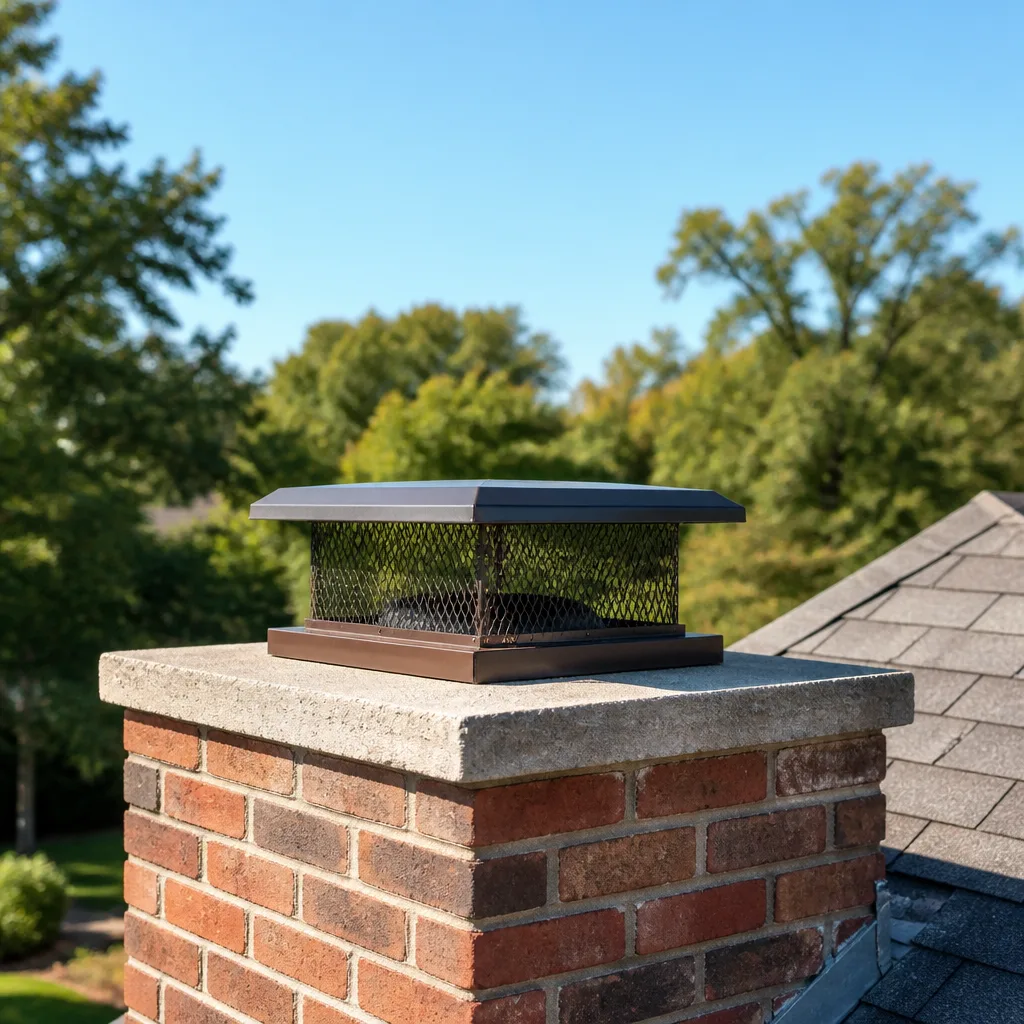
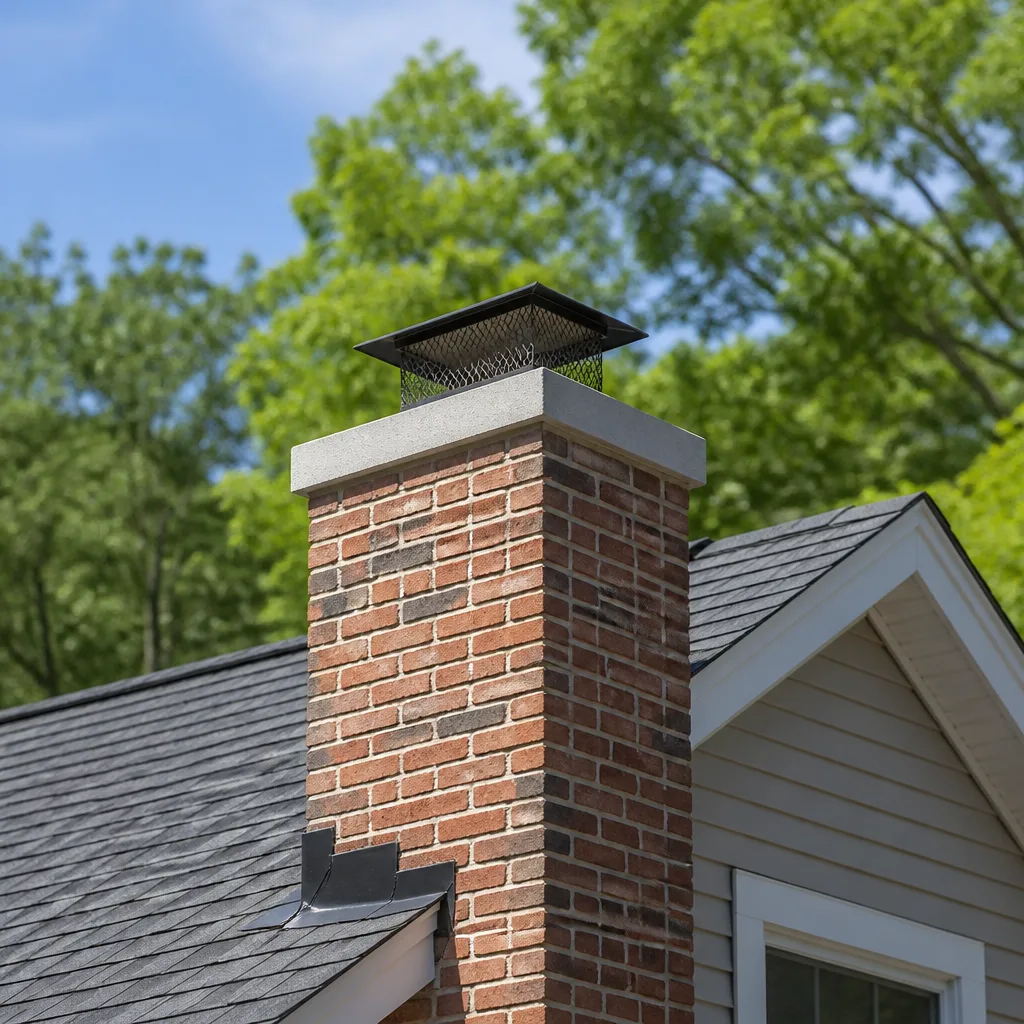
- Stainless termination caps and dampers: The cap is the metal component at the very top that prevents rain, animals, and downdrafts from entering the flue. Brand names like Gelco, Olympia Chimney, Famco, and Copperfield indicate a contractor that specifies proper termination equipment rather than a universal cap from the nearest hardware store. Ask: “What cap brands do you keep on the truck?”
No reputable full-service chimney company uses one brand for everything, because no single manufacturer makes every component well. What you are listening for is specificity: the contractor should be able to tell you which brand they use for which application, and why. “We use HeatShield for ceramic resurfacing, DuraFlex for flexible liners, and Gelco caps because they hold up on coastal rooflines in Bernal Heights” is a confident answer. “We use whatever works” is a deflection.
What Bernal Heights’ Coastal Climate Does to Chimney Materials
Bernal Heights sits directly in the path of Pacific moisture that rolls in through the Golden Gate. That means morning fog, marine layer saturation, and roof surfaces that stay damp longer than almost any other San Francisco neighborhood east of Twin Peaks. For chimneys, this is an active material degradation environment, not a passive one.
The key factor is freeze-thaw cycling. While Bernal Heights winters are mild by national standards, overnight temperatures near the top of the hill routinely dip into the 30s during December and January, especially for homes above Cortland Avenue. When water has penetrated the chimney crown or masonry through a hairline crack, that water freezes, expands by roughly nine percent, and pries the crack wider. The cycle repeats. Over two or three seasons, a hairline crack becomes a structural fissure, and the chimney begins absorbing water like a sponge.
This is why crown coat and sealant selection matters more in Bernal Heights than it does in, say, the Mission District at lower elevation. The products need to be rated for documented freeze-thaw cycles and formulated to bond with older masonry, which has different porosity than new construction. Generic masonry sealant from a hardware store is frequently not rated for this use case at all. A professional-grade crown coat from a manufacturer that tests for freeze-thaw resistance is a different product category entirely.
Cap selection matters here too. Stainless caps from brands like Gelco, Olympia Chimney, or Copperfield are built with marine-grade metal that resists the salt-laden moisture that accelerates corrosion on coastal homes. A painted steel cap from a generic supplier will rust through in four or five years on a Bernal Heights roofline. A stainless cap from a named manufacturer may last twenty. The upfront price difference is modest. The longevity difference is real.
We see this pattern constantly on chimneys along Precita Park and Holly Park: flues that are structurally fine but crowns that have cracked open, because someone ten years ago coated the crown with a product not built for this climate. The fix is not another sweep; it is proper crown repair with a documented product. For more on how we assess the full condition of Bernal Heights chimneys, start with our Chimney Sweep Bernal Heights home service overview.
How to Ask a Contractor About Materials Without Feeling Like You’re Testing Them
Most homeowners avoid asking about material brands because it feels confrontational, like they are accusing the contractor of cutting corners. That hesitation is misplaced. A contractor who uses professional-grade materials is usually proud of that fact and happy to talk about it. The ones who deflect are the ones telling you something useful.
Here is a five-step approach that feels natural in conversation and gets you the information you need:
- Start with curiosity, not challenge. Say something like, “I was reading about chimney liners and saw a few different approaches. What do you usually recommend for older Bernal Heights chimneys?” This frames you as an informed homeowner, not an interrogator. The contractor’s answer will immediately reveal whether they think in terms of products or in terms of price.
- Ask the liner question early. “If my flue needs a liner, what system do you install?” Listen for a brand name and a reason. “We install DuraFlex liners because they are rated for offset flues and this chimney has an offset” is what a knowledgeable answer sounds like.
- Ask about the crown and cap together. “What do you use for crown coating and termination caps?” A full-service company should be able to name both. If they only talk about caps and skip the crown, that is a gap in their service model, not just their vocabulary.
- Ask what happens if the product fails. “What kind of warranty comes with that liner system?” This shifts the conversation from installation to manufacturer standing. A contractor installing warrantied products from established brands will answer with specifics. A contractor installing generic supplies will change the subject to their own workmanship guarantee, which covers installation quality but not product failure.
- Watch for deflection patterns. If the contractor says “all liners are basically the same,” or “brands don’t matter, it’s the installation that counts,” or “I’ve been doing this thirty years and never had a callback,” understand what you are hearing. These are answers designed to end the conversation, not inform you.
The goal is not to make the contractor prove themselves. The goal is to determine whether the company has a defined material specification for their work. Companies that do are running a professional operation. Companies that don’t are running an estimate mill.
What a Contractor’s Material Choices Reveal About Their Business Model
Material selection is never an isolated decision. It is a direct expression of how a company is structured to make money. When you understand this, you can read a lot from a single question about liner brands.
A volume-sweep operation makes its margin on speed and frequency. The business model is built on completing as many standard sweeps per day as possible and returning on a regular schedule. This is a perfectly legitimate service model for maintenance cleaning, but it creates a specific incentive structure when repairs arise. If a repair can be completed with the least expensive material available, the margin improves and the crew moves on. When that repair fails in three years, the company has no incentive to care: they are already on the other side of the city running sweeps, and the callback represents revenue.
A full-service repair operation has the opposite incentive. The business performs sweeps, yes, but it also generates significant revenue from liner installations, crown repairs, and structural work. If a liner fails in five years because the product was cheap, the company is financially exposed. Callbacks are expensive: they consume crew time, damage reputation, and may trigger warranty obligations. The rational business decision for a company that performs repairs is to use products with documented performance and manufacturer warranty backing, because cheap materials create expensive liabilities.
This is why material brands function as a trust signal. A company that names DuraFlex as its liner system, HeatShield as its resurfacing product, and Gelco or Olympia Chimney for caps is essentially telling you: “We are structurally unable to benefit from installing cheap materials, because our business model depends on repairs that hold.” A company that cannot or will not name its products is telling you the opposite.
In Bernal Heights, where the housing stock is old and the climate is actively degrading masonry, this distinction matters more than in most markets. The probability that a chimney inspection will turn up a repair need is high. The cost difference between a proper repair and a cheap repair is modest relative to the cost of doing the repair twice. For more on how sweeping, repair, and dryer vent work fit together as one system, read about Chimney Repair in Bernal Heights options.
HeatShield and DuraFlex: Two Names Worth Knowing in Bernal Heights
Of all the professional-grade product names a Bernal Heights homeowner might hear, two come up most often because they solve the two most common problems in this housing stock: cracked flue interiors and deteriorating liner systems. Knowing what each product is, and when each is appropriate, will help you evaluate any contractor’s recommendation.
HeatShield ceramic resurfacing is a specialized process that restores a cracked or spalling flue interior without removing the existing liner. A technician cleans the flue, applies the HeatShield ceramic material through a proprietary application system, and cures it in place. The result is a smooth, fire-resistant interior surface that seals minor cracks and restores the flue to safe function. It is not appropriate for every chimney: if the masonry structure itself is failing, or the flue has extensive offset damage, a full relining is the correct fix. But when the structure is sound and the cracks are minor to moderate, HeatShield can save a homeowner thousands compared to a full liner replacement. It is also a process that requires specific training and equipment, which means not every chimney company offers it. When you hear a Bernal Heights contractor recommend it, that itself is a signal: the company has invested in a capability beyond standard sweeping.
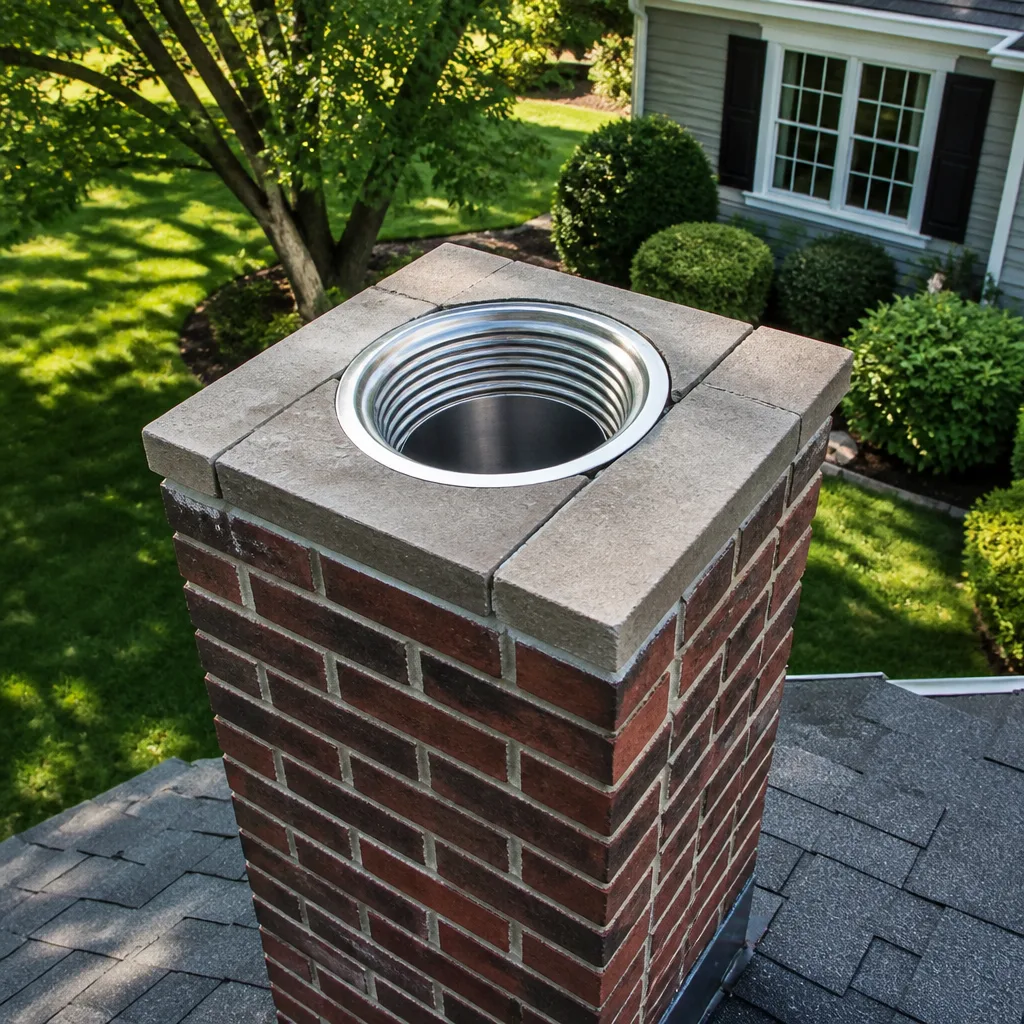
DuraFlex liner systems are flexible stainless steel liners used when the existing flue cannot be safely restored through resurfacing. DuraFlex is known in the trade for its aluminum and stainless alloy options, its range of diameters that accommodate offset flue configurations, and its UL listing for specific applications. Older Bernal Heights homes frequently have flues with offsets, unusual angles, or clay tiles that have cracked beyond the point of ceramic repair. In these cases, a DuraFlex liner provides a continuous stainless pathway from the appliance to the cap, restoring draft and containing combustion byproducts. The fact that DuraFlex is a named manufacturer with documented specs matters because flexible liners are precisely the category where generic imports have flooded the market. A no-name liner may look identical on a truck and cost forty percent less, but it carries no performance documentation and no manufacturer recourse if it fails.
We keep both in our material stack for a reason: no two Bernal Heights chimneys are alike, and the right product depends on the specific flue condition. Some flues need resurfacing. Some need a new liner. Some need both in different sections. The ability to assess correctly and select the right product is what separates a full-service chimney company from a sweep-and-go operation. If you are also concerned about the dryer exhaust side of your home, which presents similar fire risk through a completely separate venting system, see Dryer Vent Cleaning in Bernal Heights.
Common Mistakes to Avoid
- Accepting “professional-grade materials” as an answer. When a Bernal Heights contractor uses this phrase but cannot name a single manufacturer, they are describing an aspiration, not a material standard. Ask for brand names. A confident contractor will provide them instantly.
- Comparing estimates without comparing material specifications. A $2,800 liner quote using a named DuraFlex system and a $2,100 quote using an unspecified liner are not the same scope of work. The comparison should include what product is going into the chimney, not just what price is coming out of the estimate.
- Treating crown coat as an add-on. In Bernal Heights’ coastal climate, the crown is the single most important water-shedding component on the chimney. Skipping crown repair during a larger job because “the flue looks fine” is how chimneys end up needing masonry rebuilds five years later.
- Assuming all caps are interchangeable. A stainless cap from a named manufacturer like Gelco or Olympia Chimney is sized and rated for specific flue dimensions and weather exposure. A universal cap from a home center is not. On exposed Bernal Heights rooflines, the difference is measured in rust years, not appearance.
- Hiring a sweep-only company for a repair they found and then coordinating a second contractor. This creates a handoff gap: the sweep company diagnoses, the repair company re-diagnoses, and the homeowner pays for assessment twice. A full-service operation handles the sweep and the repair under one roof, which is why our Chimney Sweep Bernal Heights home coverage spans maintenance through structural work.
- Prioritizing the lowest price on safety components. Chimney liners, caps, and crown coats are safety products. They contain fire, direct exhaust, and keep water out of masonry. Optimizing for price on any of them is optimizing for the wrong variable. Optimize for documented performance and warranty coverage, then evaluate price.
- Ignoring the dryer vent as a separate fire risk. Many Bernal Heights homeowners focus entirely on the fireplace and forget that the dryer exhaust is a combustion-adjacent venting system with its own lint accumulation hazard. Dryer vents cause thousands of residential fires annually. A full ventilation safety approach covers both systems.
When to Call a Professional
You should call a chimney professional whenever you notice white staining on exterior masonry, crumbling mortar joints, a damp smell near the fireplace, visible cracks on the crown, or smoke entering the room during a fire; see our Complete Chimney Sweep Guide for Bernal Heights Homeowners for the full checklist. These are signs of water intrusion or draft failure, and they get more expensive to fix the longer they wait. You should also schedule an annual sweep if you burn wood more than twice a month during the season, and an annual dryer vent cleaning regardless of how often you use the dryer. If you are a landlord or property manager in Bernal Heights, annual chimney inspection and cleaning is a standard code compliance expectation for rental units with active fireplaces. Chimney Sweep Bernal Heights offers free estimates across Bernal Heights, including Cortland Avenue, Precita Park, and Holly Park neighborhoods. Call (844) 745-4668 to schedule an assessment. We will tell you what the chimney actually needs, show you photos of any problem areas, and quote the repair using the same named materials discussed in this guide.
Frequently Asked Questions
A standard chimney sweeping in Bernal Heights typically costs $189 to $329 depending on flue size, accessibility, and whether the chimney has been serviced recently. Homes on the steeper sections of the hill, where roof access is more difficult, may fall at the higher end of that range. If the sweep includes a camera inspection, that is usually a separate line item or bundled service and is worth paying for, since it is the only way to see flue interior damage before it becomes a structural problem. Call (844) 745-4668 for an exact quote based on your chimney’s condition and roof access. Estimates are free.
Many Bernal Heights chimneys with cracked clay tile liners do not need a full liner replacement; they can be restored through ceramic resurfacing using a product like HeatShield, which seals minor cracks and restores the flue surface at a fraction of the cost of relining. The determining factors are the extent of the cracking, the condition of the surrounding masonry, and whether the flue has offsets that complicate liner installation. This decision should be made with camera evidence: if a contractor recommends a full liner without showing you photos of the flue interior, get a second opinion. We show every customer exactly what we see, because the recommendation should follow the evidence, not the other way around.
The National Fire Protection Association recommends a chimney inspection at least once a year, with sweeping performed whenever creosote buildup reaches 1/8 inch or more, regardless of time since the last cleaning. In Bernal Heights, where many homes burn wood seasonally from October through March, most fireplaces used more than twice a month should be swept annually at the end of the burning season. Fireplaces used occasionally may go two years between sweeps, but the inspection should still happen annually to catch water damage or animal intrusion early. Gas fireplaces need less frequent sweeping but still require annual venting inspection for carbon monoxide safety.
Creosote, which is the tar-like byproduct of wood combustion, accumulates on the flue interior with every fire, and once it reaches a certain thickness it becomes a fuel source. A chimney fire burns at temperatures up to 2,000 degrees Fahrenheit, hot enough to crack clay liners, warp metal chimneys, and spread to the surrounding structure. Even without a chimney fire, a blocked or narrowed flue can send carbon monoxide back into the living space. Skipping a sweep does not always cause immediate harm, but it is a risk that compounds silently. The cost of an annual sweep in Bernal Heights is a fraction of the cost of repairing fire or CO damage.
A full-service chimney company should be able to name its liner system (DuraFlex or HomeSaver are common professional choices), its ceramic resurfacing product (HeatShield is the recognized standard), its crown coat and sealant products, and its termination cap brands (Gelco, Olympia Chimney, Famco, and Copperfield all make professional-grade caps and dampers). No single brand covers every category, so the right answer is a list of brands per application, not one blanket name. Contractors who use these named products are typically also the ones who stand behind their work, because the manufacturers provide warranty backing that generic supplies do not.
We are based in Bernal Heights and serve the surrounding San Francisco market, with the majority of our chimney sweeping, dryer vent cleaning, and chimney repair work concentrated in Bernal Heights, Noe Valley, the Mission, Glen Park, and Potrero Hill. Our product standards are the same regardless of neighborhood: we use named professional-grade materials including DuraFlex, HeatShield, Gelco, Olympia Chimney, Famco, and Copperfield on every applicable job. Call (844) 745-4668 to confirm service availability for your specific address.
The Bottom Line
Choosing a chimney cleaning brand in Bernal Heights comes down to one principle: the products a contractor uses are as important as the hands that install them. Professional-grade materials have names, spec sheets, warranties, and performance histories. Generic materials have price tags. In a neighborhood with century-old chimneys, coastal moisture, and freeze-thaw cycles that punish cheap sealants, the product decision determines whether your repair lasts five years or twenty-five. Ask your contractor what liner system they install, what crown coat they use, and what caps they carry. Listen for specific answers. Then explore more guides & resources or call (844) 745-4668 to get an assessment from a Bernal Heights team that can name every product we use and show you exactly what your chimney needs.
Written by the team at Chimney Sweep Bernal Heights, serving Bernal Heights since 2016.
See the difference
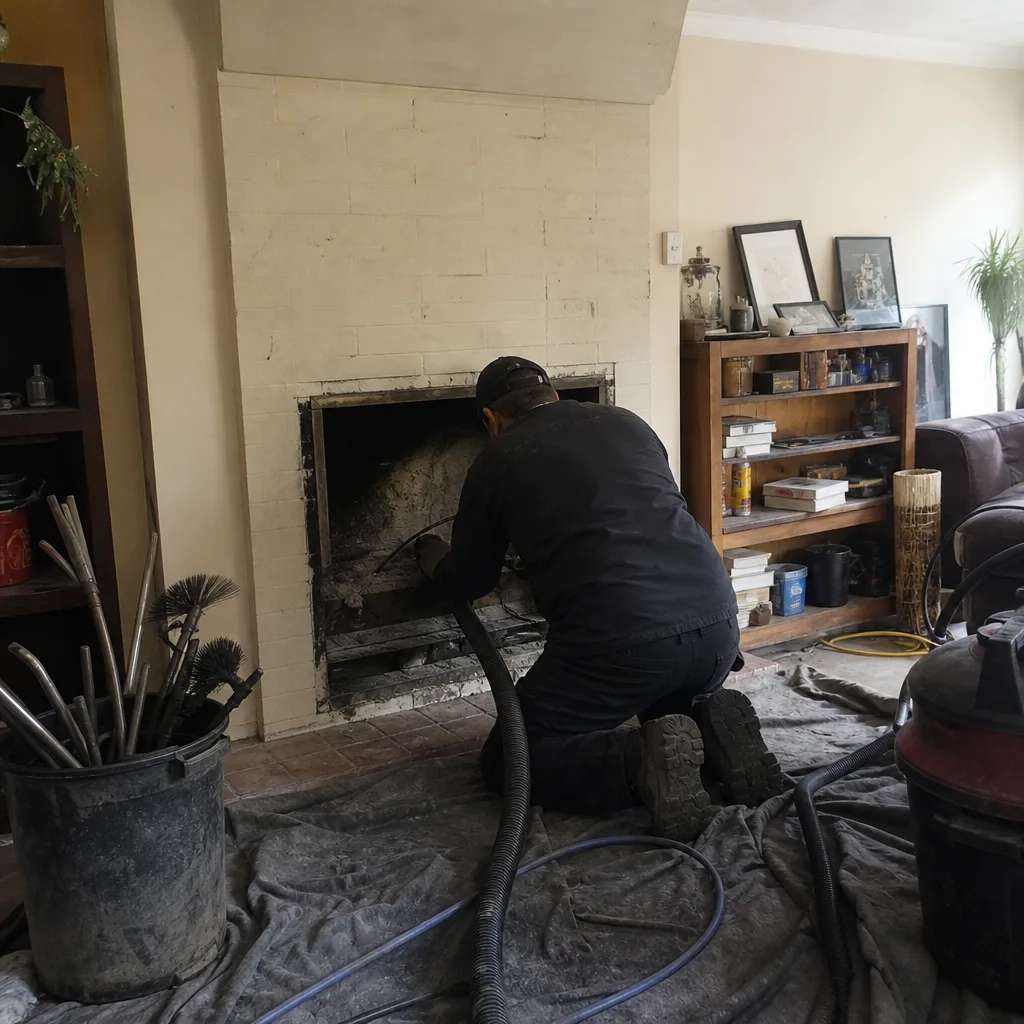 Before
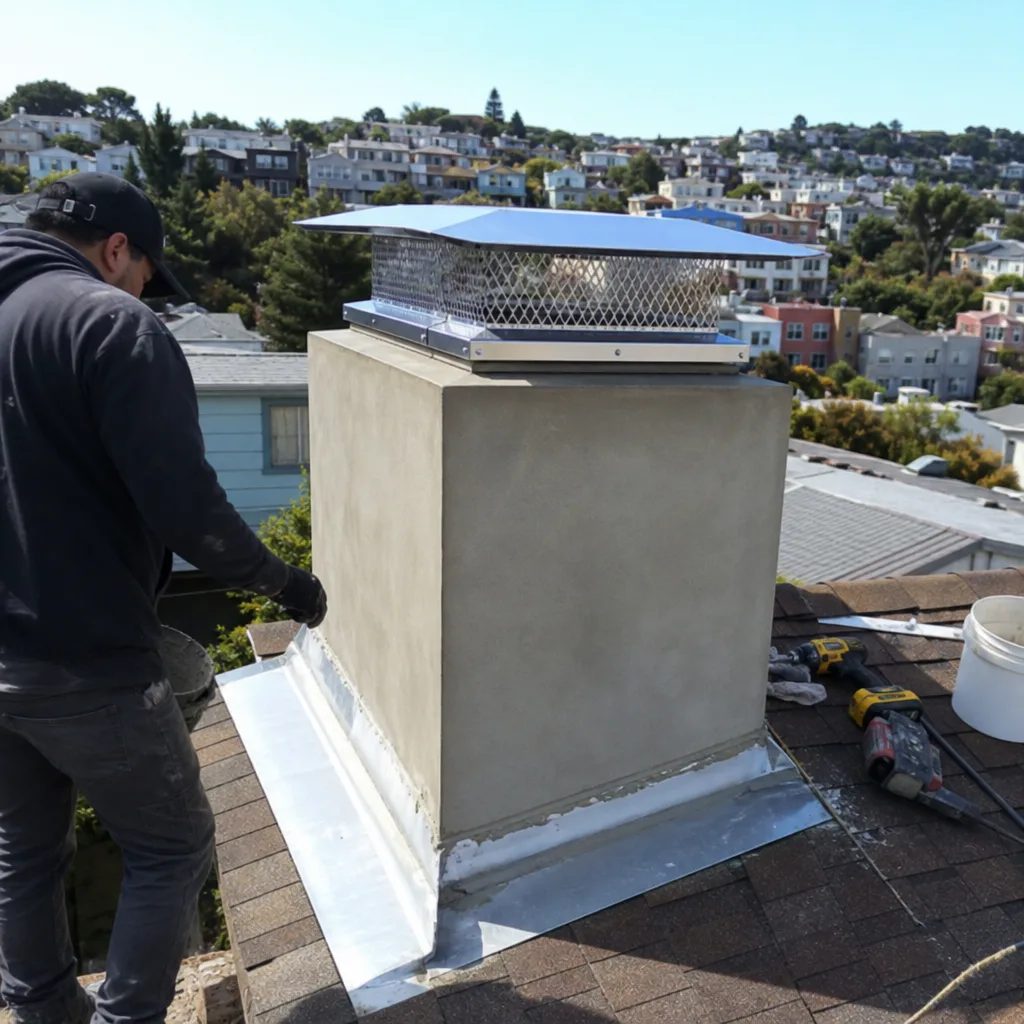 After
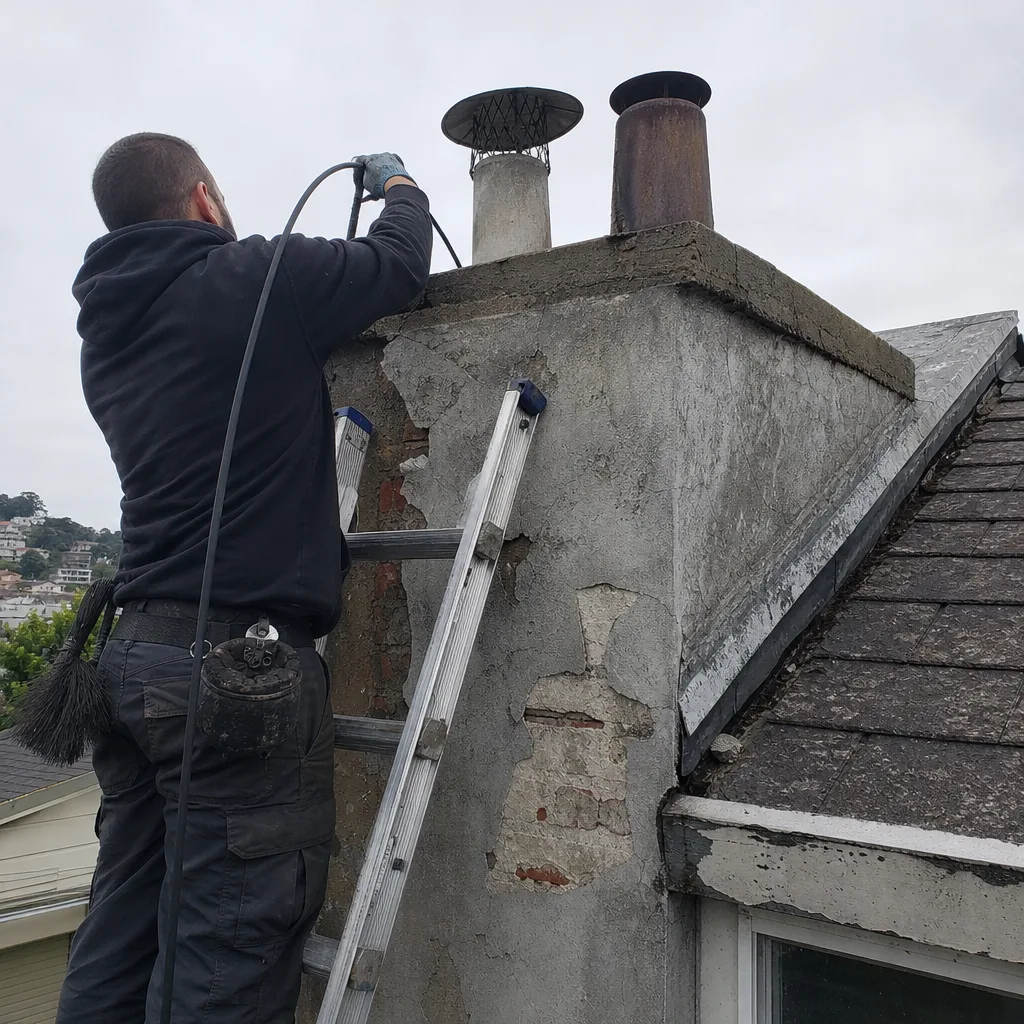 Before
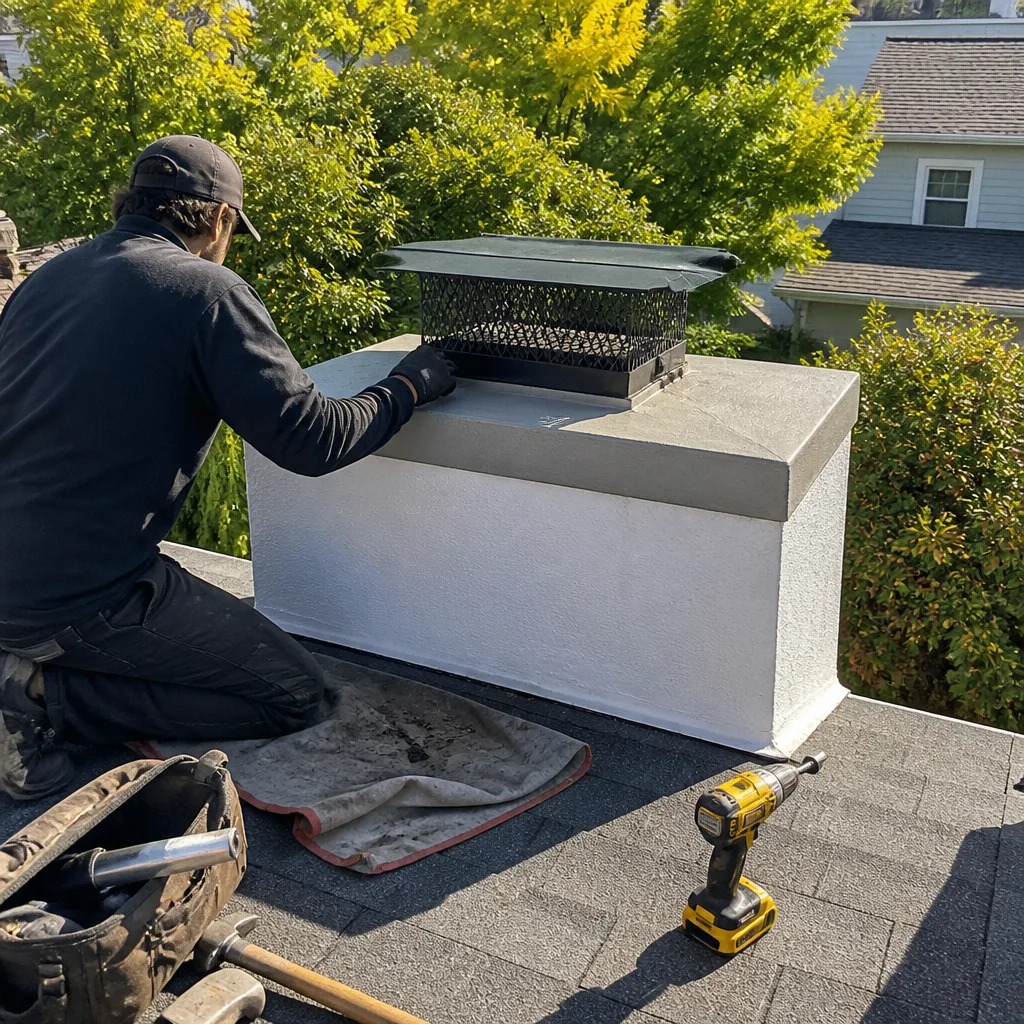 After
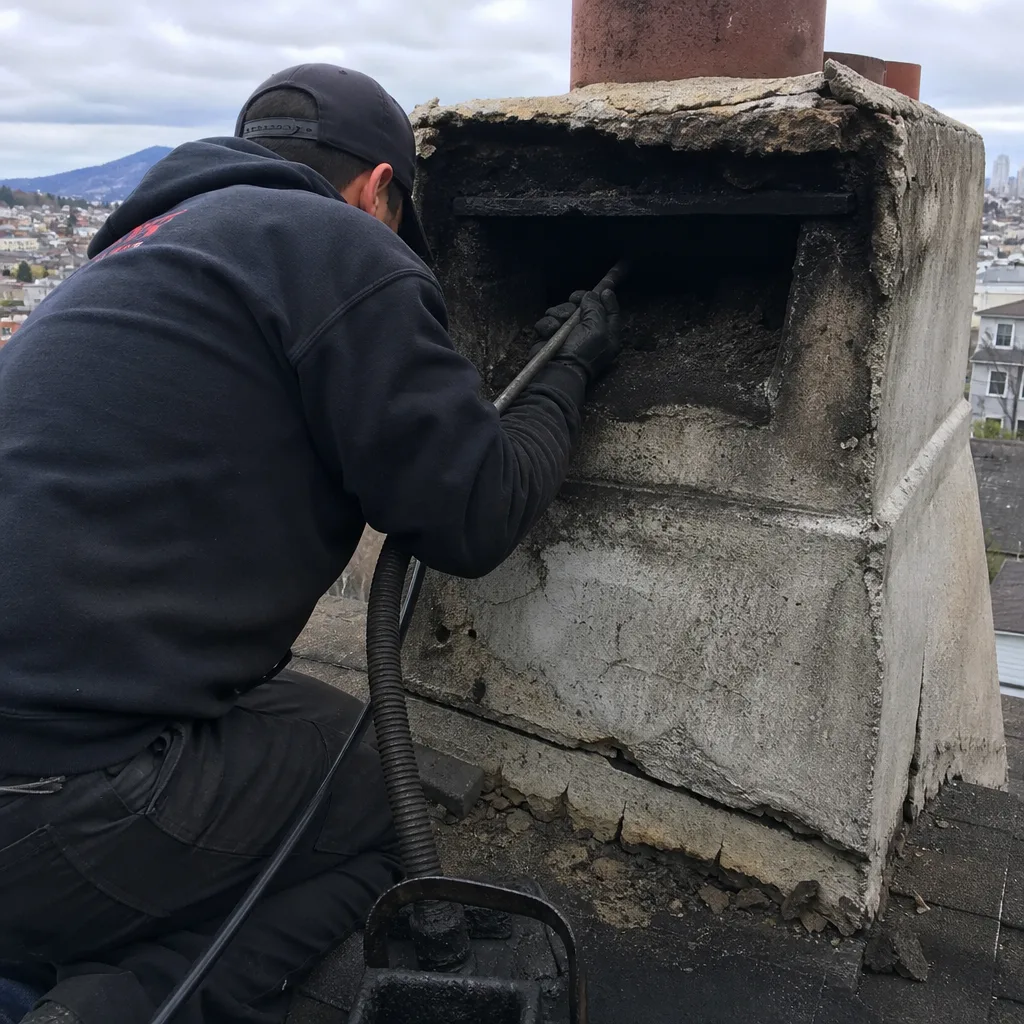 Before
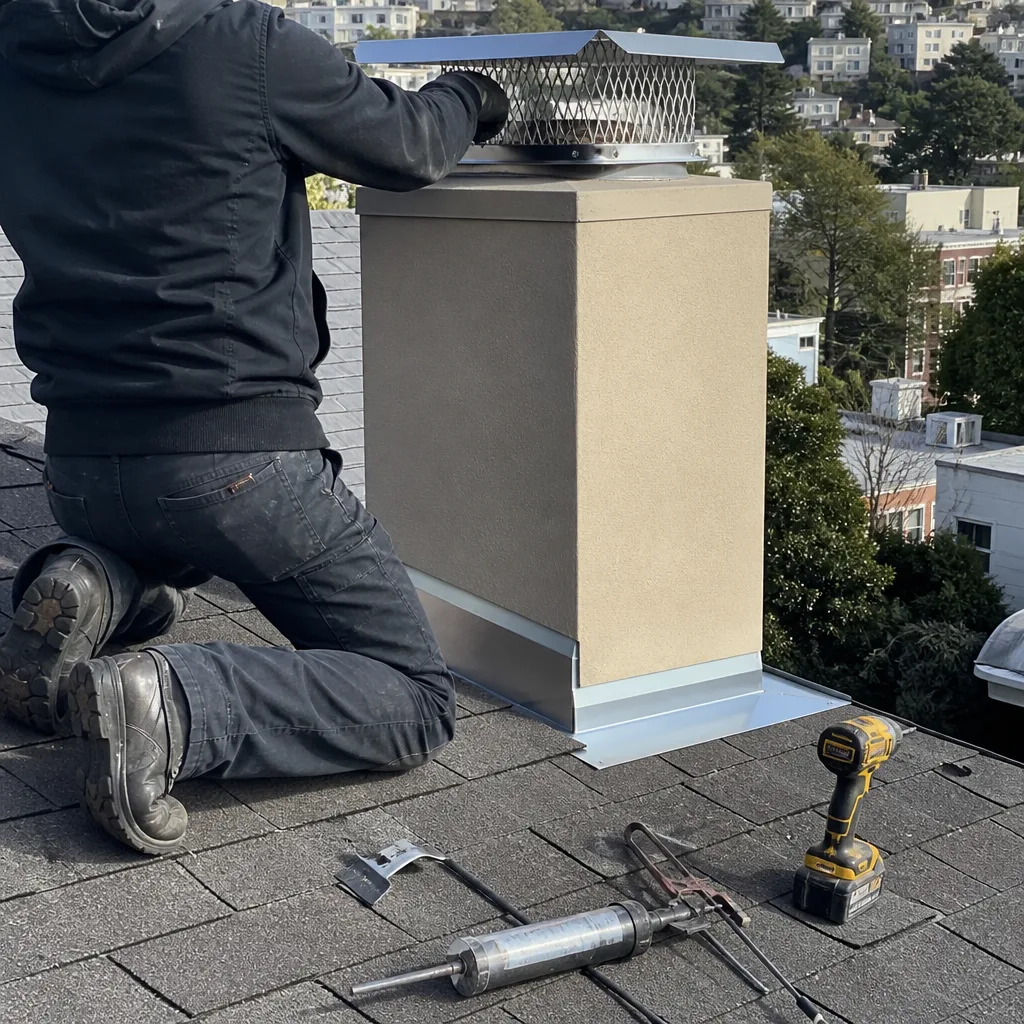 After