
Last updated November 2, 2026
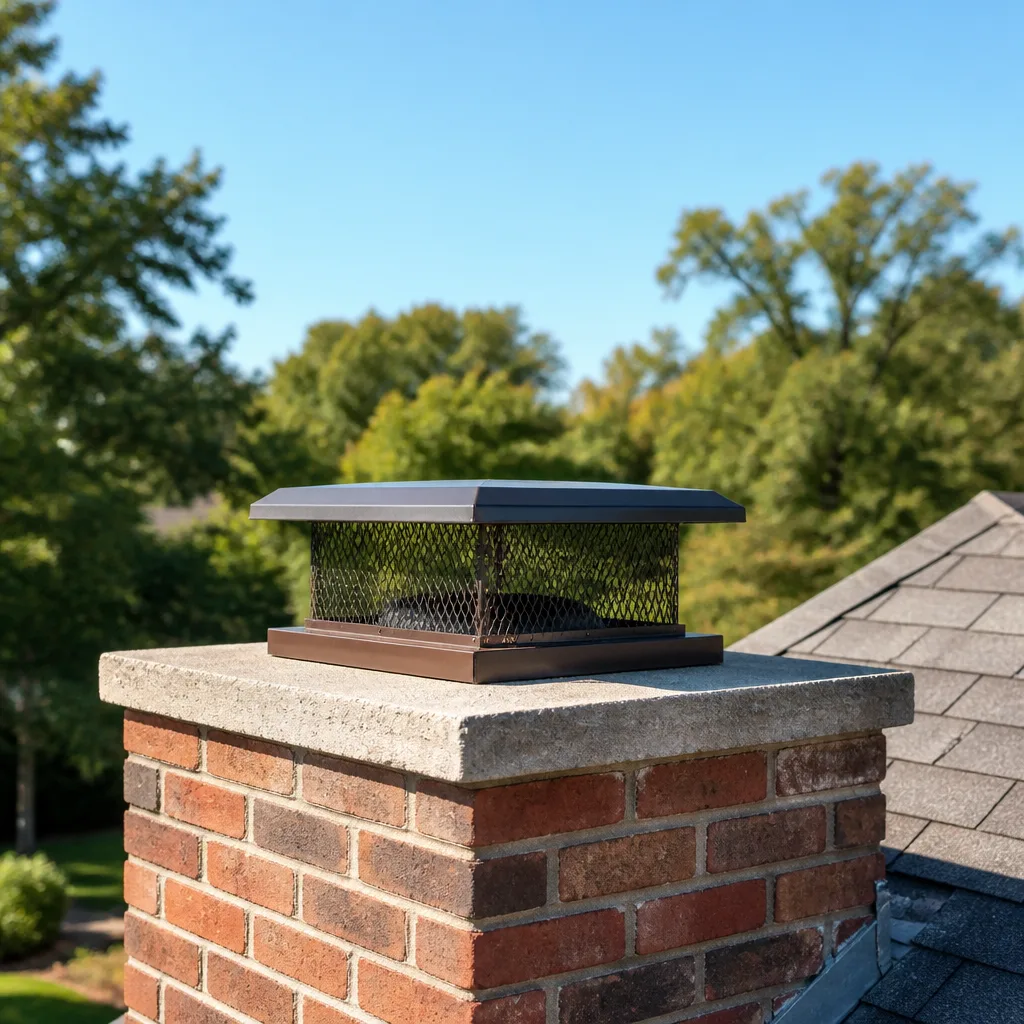 Sweep & inspection
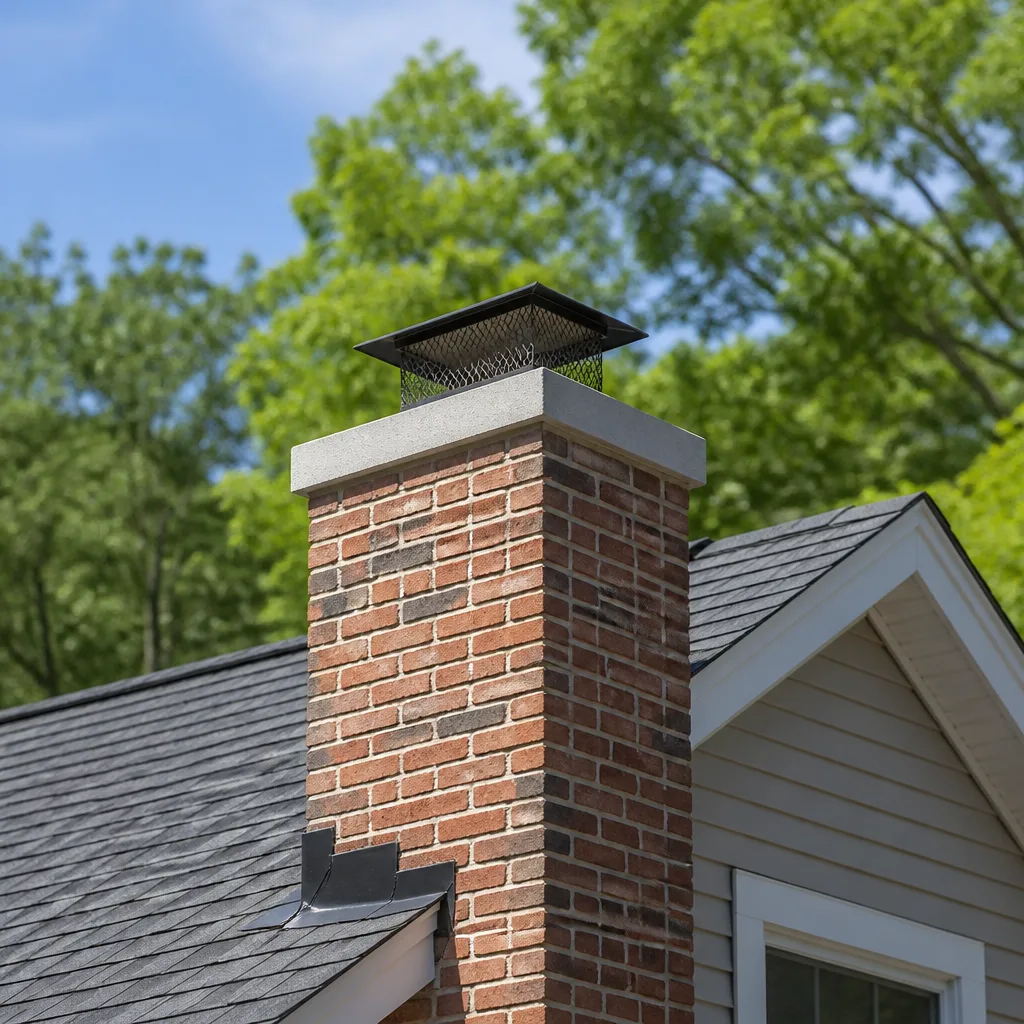 Caps & crowns
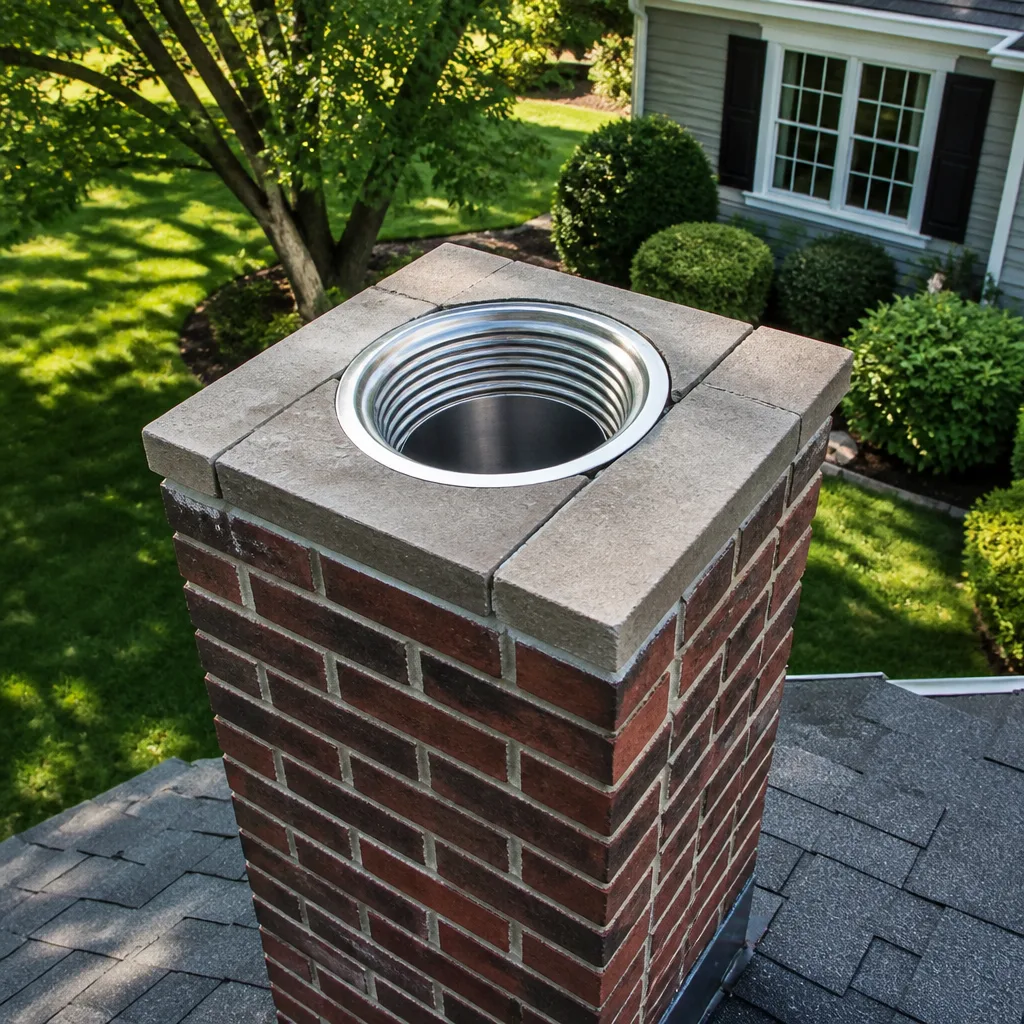 Flue relining
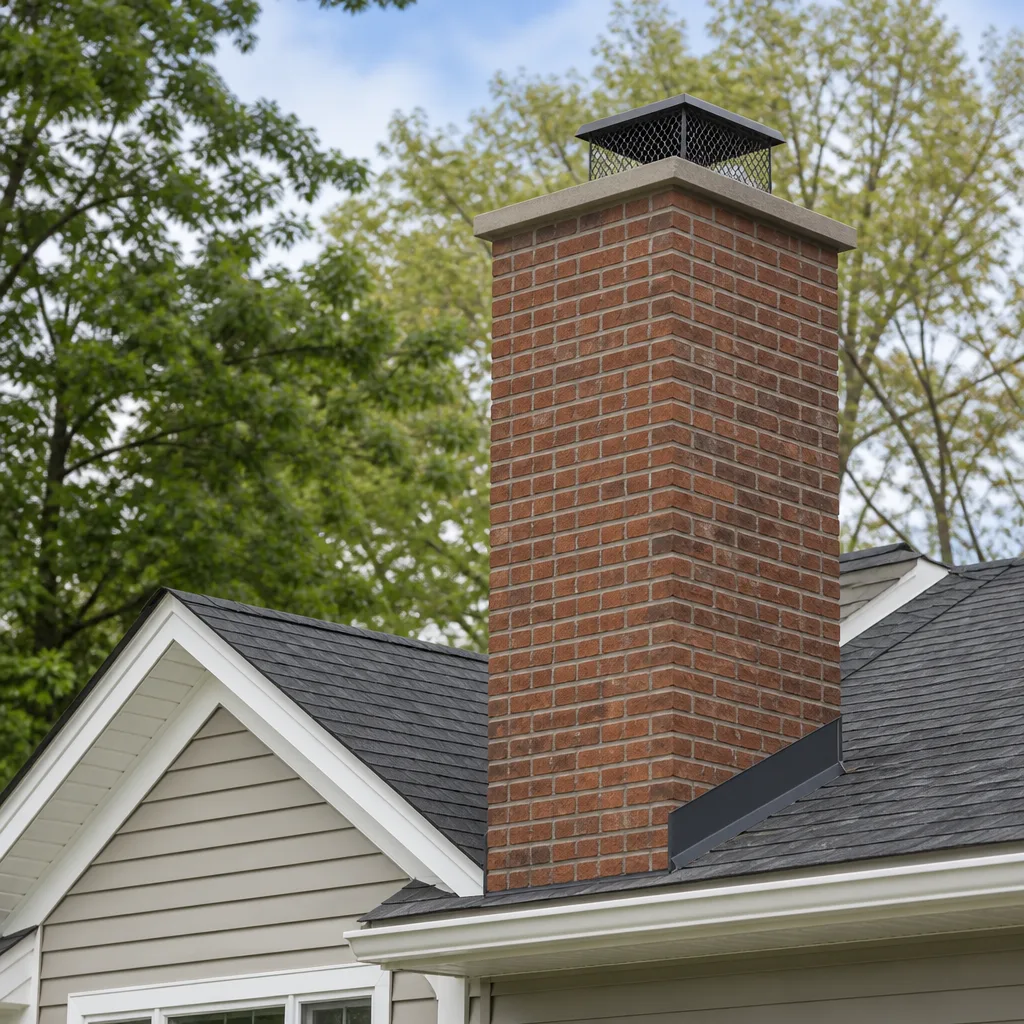 Masonry repair
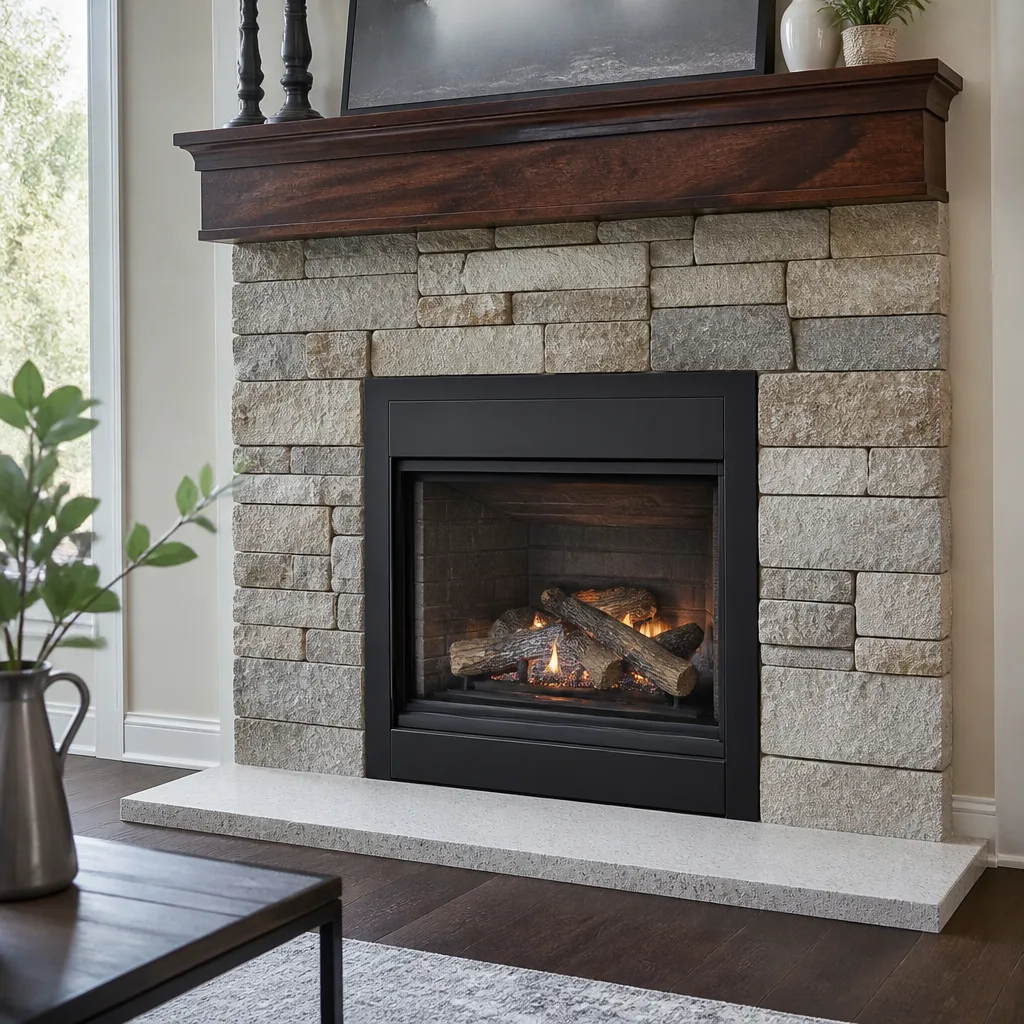 Gas fireplace service
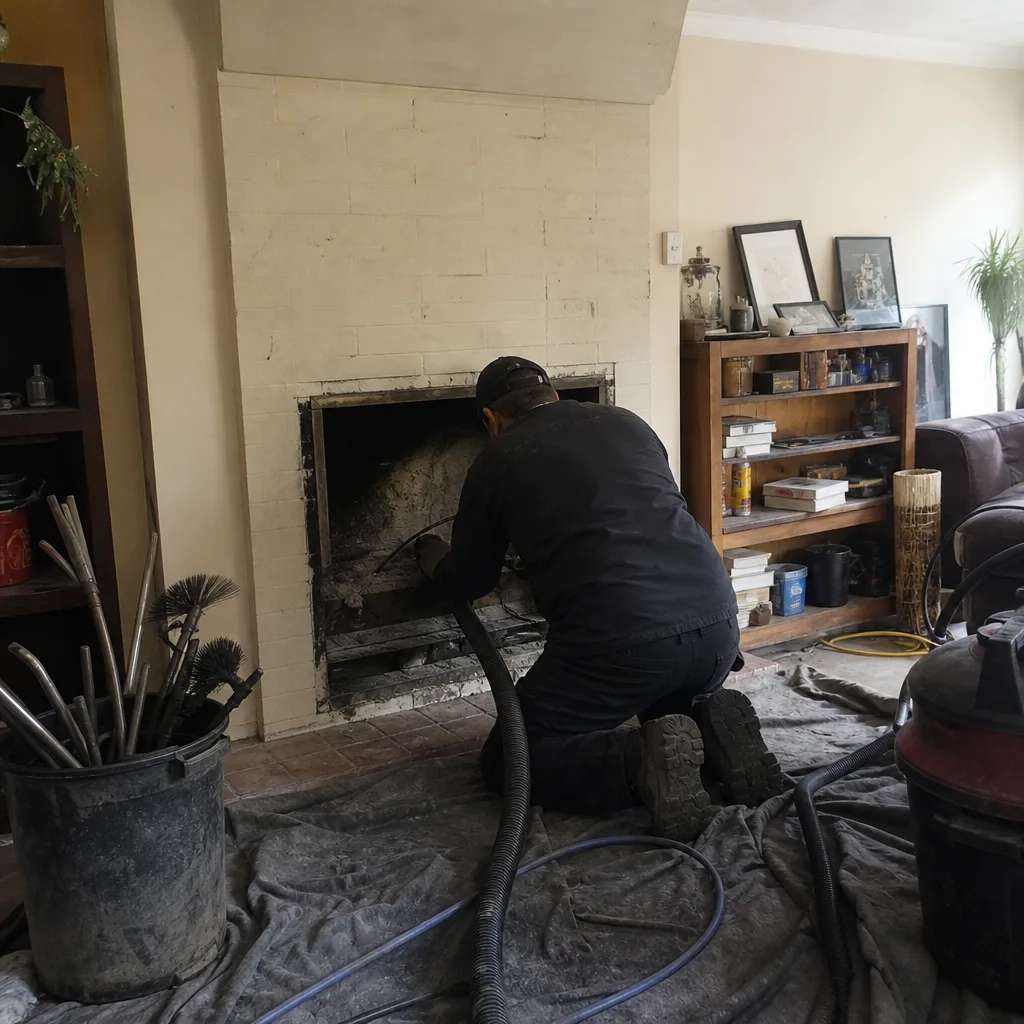
Level 1 sweep and inspection to the NFPA 211 annual standard - flue, crown, cap, and flashing checked and photographed
Chimney sweep logs do not sweep chimneys. They loosen some creosote - which then falls where a brush and vacuum still have to collect it.
Chimney Sweep Maintenance Checklist for Bernal Heights Homeowners
The single item most homeowners skip on chimney maintenance is the one that costs the most to fix later: the flue liner. A hairline crack in a clay tile liner, caught during a routine sweeping, might run you a few hundred dollars to address with a resurfacing treatment like HeatShield. That same crack, ignored through a wet Bernal Heights winter and discovered after a chimney fire, becomes a $3,000 to $6,000 relining project that nobody planned for. This guide gives you a technically honest, seasonally calibrated checklist for what to inspect, what to document, and when to actually pick up the phone.
Quick Answer
A complete chimney maintenance checklist for Bernal Heights homes covers the exterior cap and crown, the flue liner, the smoke chamber, the firebox, and the appliance itself, inspected on a schedule driven by our wet season (November through March) and dry fire season, not generic four-season advice. Wood-burning fireplaces need Chimney Sweep services after every 1/2 to 1 cord of wood burned or annually, gas logs need an annual safety check focused on venting, and every chimney in Bernal Heights needs an exterior inspection after winter storms because wind-driven rain on south-facing slopes is what cracks crown wash and rots chase tops.
Styles & brands we work with
- Sweep & inspection
- Caps & crowns
- Flue relining
- Masonry repair
- Gas fireplace service
Table of Contents
- Month-by-Month Maintenance Calendar for Bernal Heights
- Exterior Checklist: Cap, Crown, Chase, and Flashing
- Interior Indicators You Can Self-Assess Before Calling a Sweep
- What Sweep-Ready Means by Appliance Type
- Documentation Every Homeowner Should Keep on File
- Flue Liner Condition: The Item That Determines Everything Else
- Common Mistakes to Avoid
- When to Call a Professional
- Frequently Asked Questions
Month-by-Month Maintenance Calendar for Bernal Heights
Bernal Heights doesn’t do generic seasons. We get a long wet stretch from November through March, where wind-driven rain hits west-facing and south-facing chimneys hard, followed by a dry fire season from late spring through October where accumulated creosote is at its most flammable. Your maintenance calendar should follow those two realities, not a “spring clean, fall prep” formula written for New England.
November through March: The Wet Season Watch
- November: Book your annual sweep if you burn wood. This is the highest-demand window in Bernal Heights because the first cold nights send everyone to the fireplace at once. A November sweep means you’re burning clean before the heaviest use period, not scheduling mid-season when you’re already seeing smoke roll back into the living room.
- December through February: After each major storm, do a quick visual check from the street or yard. Look for missing cap, visible cracks in the crown, or any brick that looks darker than the surrounding area, which indicates water absorption. You don’t need a ladder. Binoculars work.
- March: This is the month to schedule exterior repairs. By March, the wet season has done its worst, and you’ll have a clear picture of whether your flashing held, whether the crown wash cracked, and whether the cap withstood the wind. Repairs booked in March are done before the dry season arrives.
April through October: The Dry Fire Season
- April: Inspect your damper and firebox for any signs of rust or water staining that showed up during winter. Water that got in during January shows itself in April as a rust ring on the damper plate or a white mineral streak on firebrick. This is a signal, not a problem to paint over.
- May through September: If you don’t burn in summer, close the damper but leave the chimney cap vented. Never seal a chimney completely. A sealed flue traps moisture and creates a breeding ground for musty odors that will smell like a wet basement the first time you open the door in October.
- October: Do your pre-burn-season check. Open the damper, shine a light up from the firebox, look for animal debris or nesting material, and test your draft before the first fire. A properly drafting chimney will pull a lit match’s smoke upward before you ever light kindling.
This calendar matters because Bernal Heights homes on steep hillsides face weather patterns flat neighborhoods don’t. Houses on the south and west slopes of Bernal Hill take wind-driven rain at an angle that can push water under a poorly sealed crown or chase cover. A chimney sweep in Bernal Heights who works this neighborhood sees the same storm damage patterns year after year.
Exterior Checklist: Cap, Crown, Chase, and Flashing
The outside of your chimney is where most expensive problems start, and it’s the part most homeowners never look at. In our experience, more than half the chimney repairs we do on Bernal Heights homes start as an exterior water intrusion issue that was visible for months before anyone noticed.
The Cap
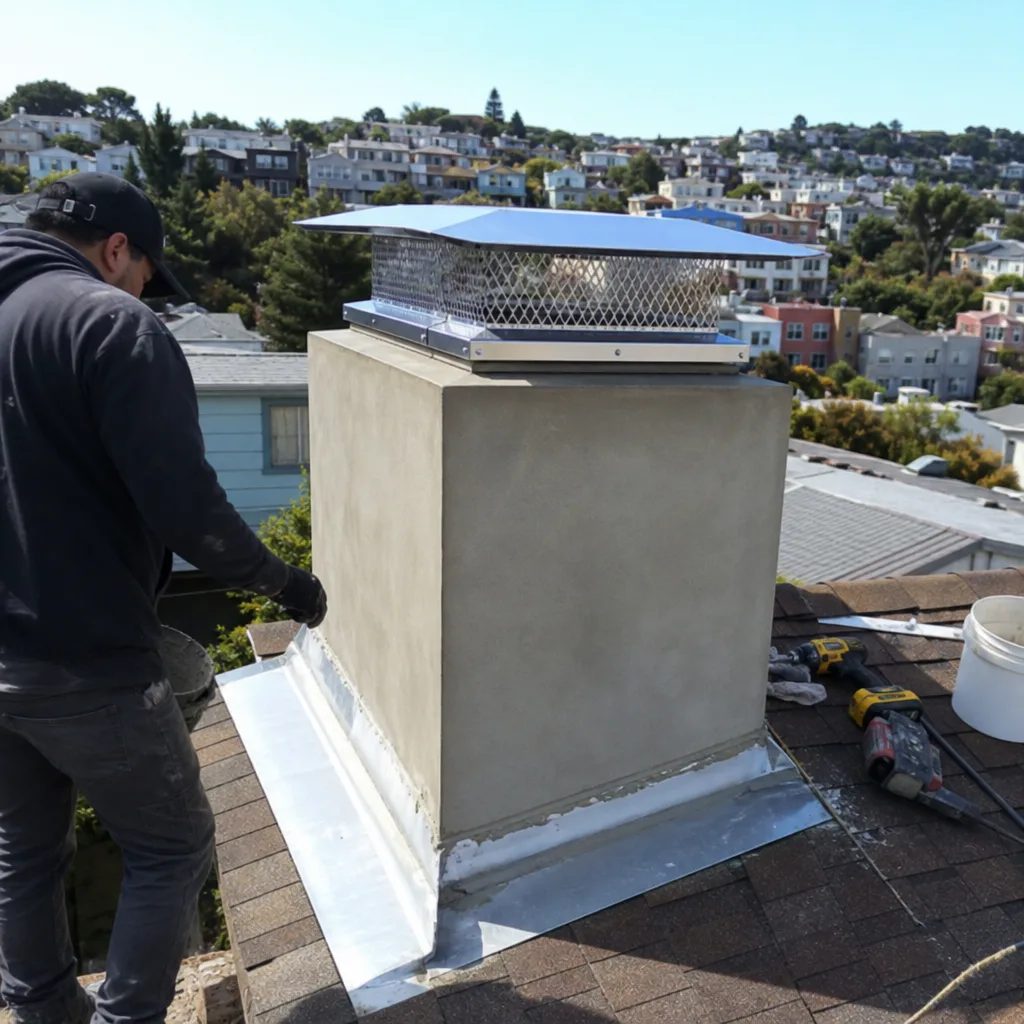
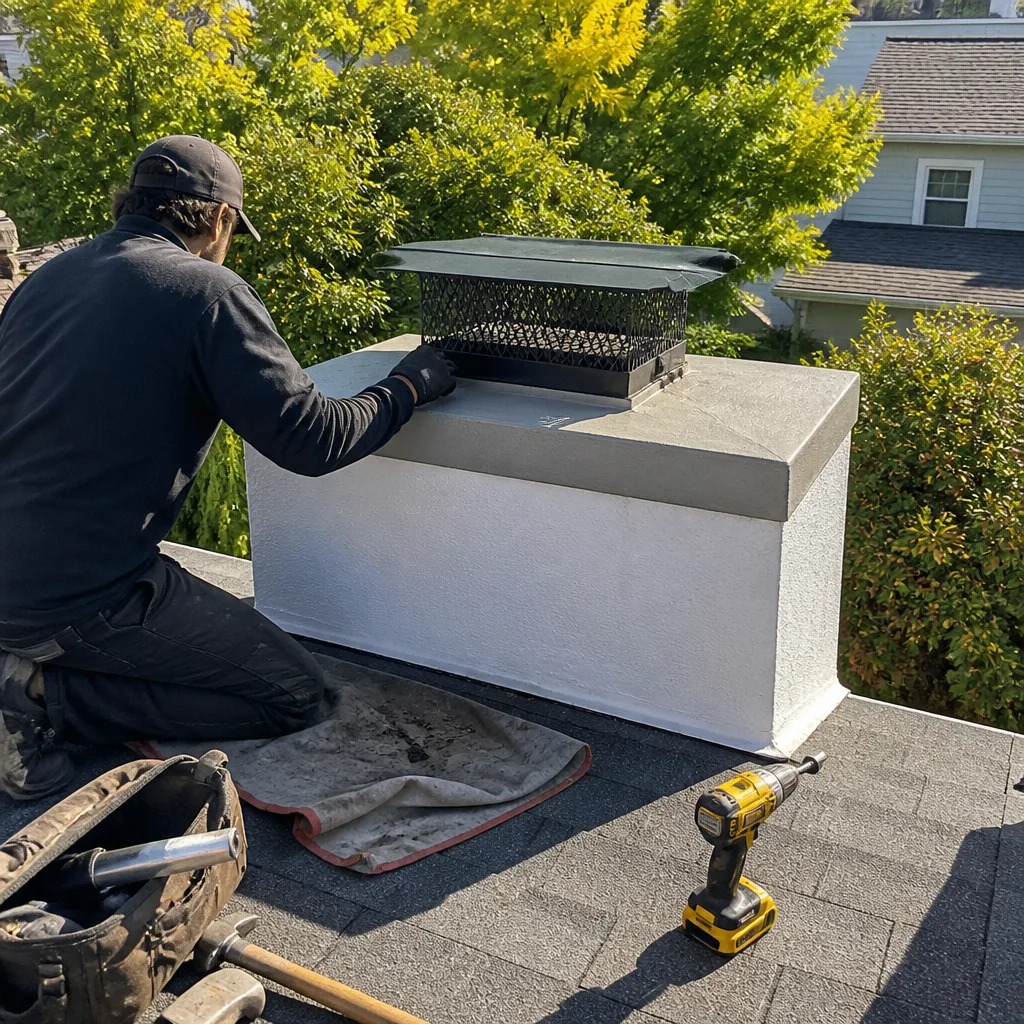
Your chimney cap is the single cheapest insurance policy on your house. It keeps rain out, blocks animals, and prevents sparks from leaving the flue. In Bernal Heights specifically, caps take a beating from wind. We recommend checking yours after every major winter storm, which takes thirty seconds from the ground.
What to look for:
- Missing or shifted cap: Wind can loosen a friction-fit cap over a single season. A shifted cap lets rain pour directly down the flue, which is the fastest way to destroy a clay tile liner.
- Mismatched cap size: A cap that’s too small restricts draft. A cap that’s too large lets wind-driven rain slip under the screen. The cap should match your tile or liner diameter exactly.
- Material quality: We install Famco and Olympia Chimney caps because they’re built from heavier-gauge stainless steel than hardware-store alternatives, which rust through in five years of Bernal Heights fog and rain.
The Crown (Crown Wash)
The crown is the concrete slab that tops the chimney structure, surrounding the flue tile. A properly formed crown slopes away from the flue and overhangs the brick by at least two inches. Bernal Heights wind-driven rain makes crown wash cracks a bigger deal here than in most Bay Area neighborhoods.
What to look for:
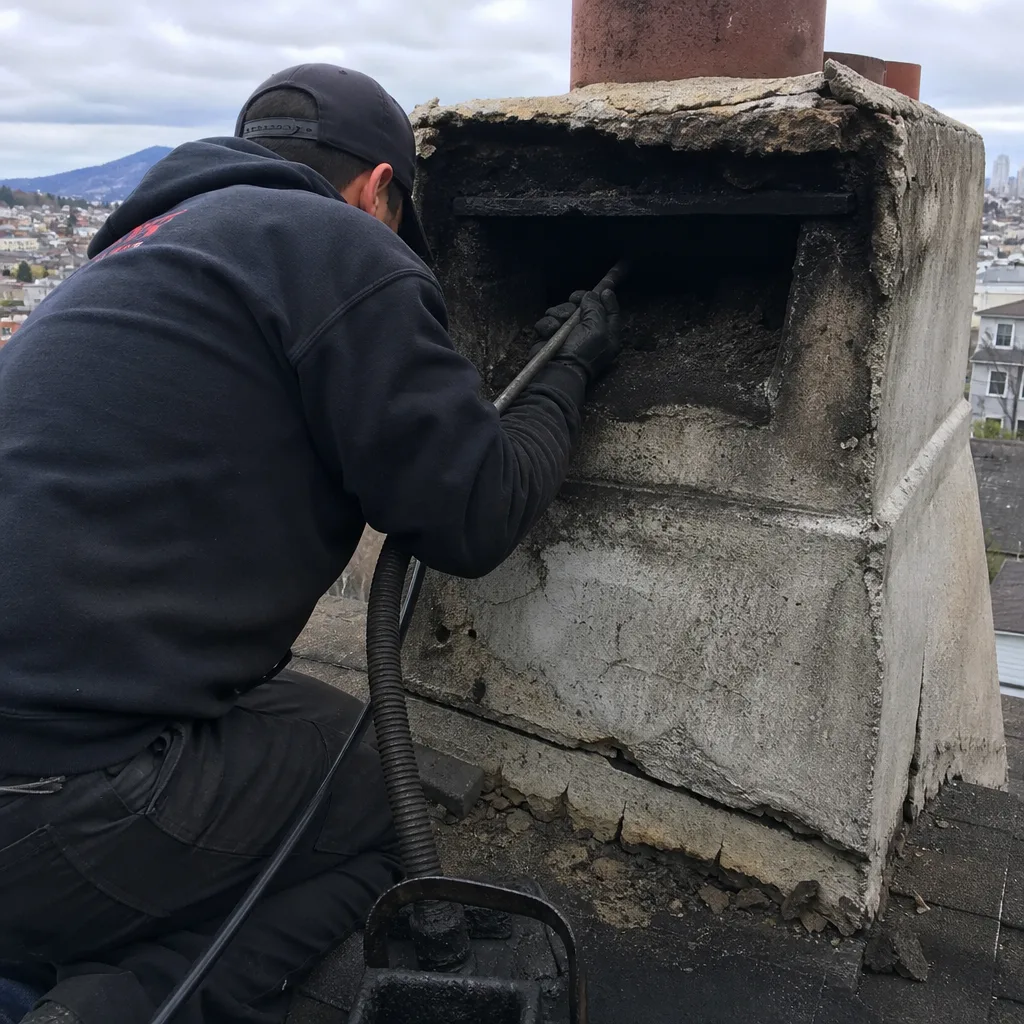
- Cracked or missing crown wash: Any crack wider than a credit card edge lets water into the chimney structure. That water freezes in cold snaps, expands, and cracks bricks from the inside.
- Flat or reverse-slope crown: If puddles form on your crown instead of running off, water is actively being funneled into your brickwork. This is a construction defect we see regularly on homes built before crown overhang code requirements.
- Separating crown from flue: The seal between brick and flue tile eventually fails. Silicone-based sealants from a hardware store last a season or two. A proper crown repair uses a flexible sealant or a full re-cast with proper slope.
Chase Tops (For Prefab or Factory-Built Chimneys)
If your Bernal Heights home has a factory-built or prefab fireplace with a metal or wood-frame chase, the chase top is your crown equivalent. Leaking chase tops destroy the galvanized pipe underneath, and we see replaceable-chase-top problems every winter in hillside homes.
What to look for:
- Rust-through on the chase top metal. Once rust penetrates, water meets the chimney pipe, and you’re looking at rusted pipe joints that require panel removal and pipe replacement.
- Improperly sealed penetration points. The gap between the chase top and the chimney pipe itself should be sealed with a proper storm collar, not a bead of caulk.
Flashing
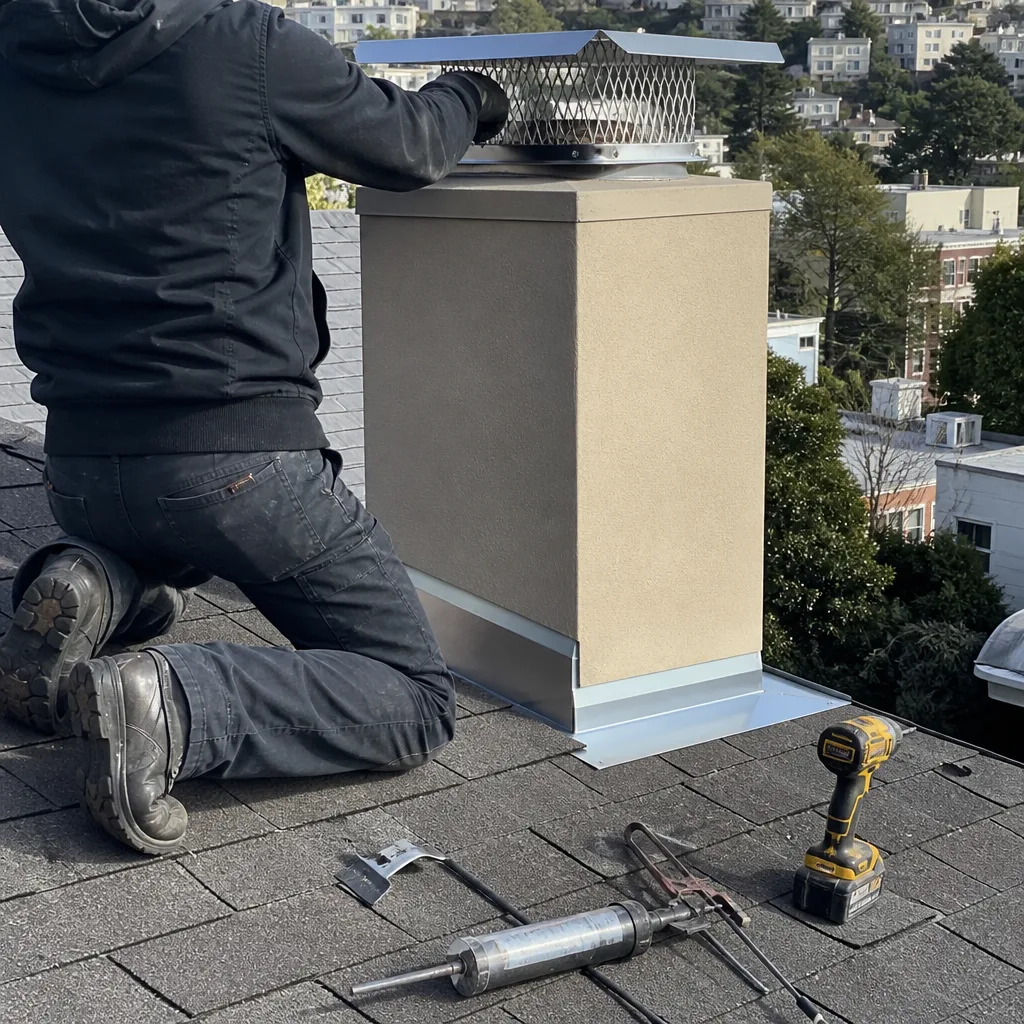
Flashing is the metal seal where the chimney meets the roof. On Bernal Heights’ steeper roofs and south-facing slopes, thermal expansion from direct sun alternating with cool fog stresses flashing seams more than on flatter lots. We see flashing failures most often on the south side of chimneys, where afternoon sun is strongest.
What to look for:
- Lifted or separated flashing corners. Even a 1/8-inch gap admits water that runs down the chimney chase and into roof sheathing.
- Caulk or roofing tar that’s peeling. Tar is a temporary patch, not a repair. Proper flashing repair uses mechanical fastening, not adhesive.
- Rust staining on roof decking below the chimney. This is a delayed signal that water has already gotten past the flashing and is working its way into your attic.
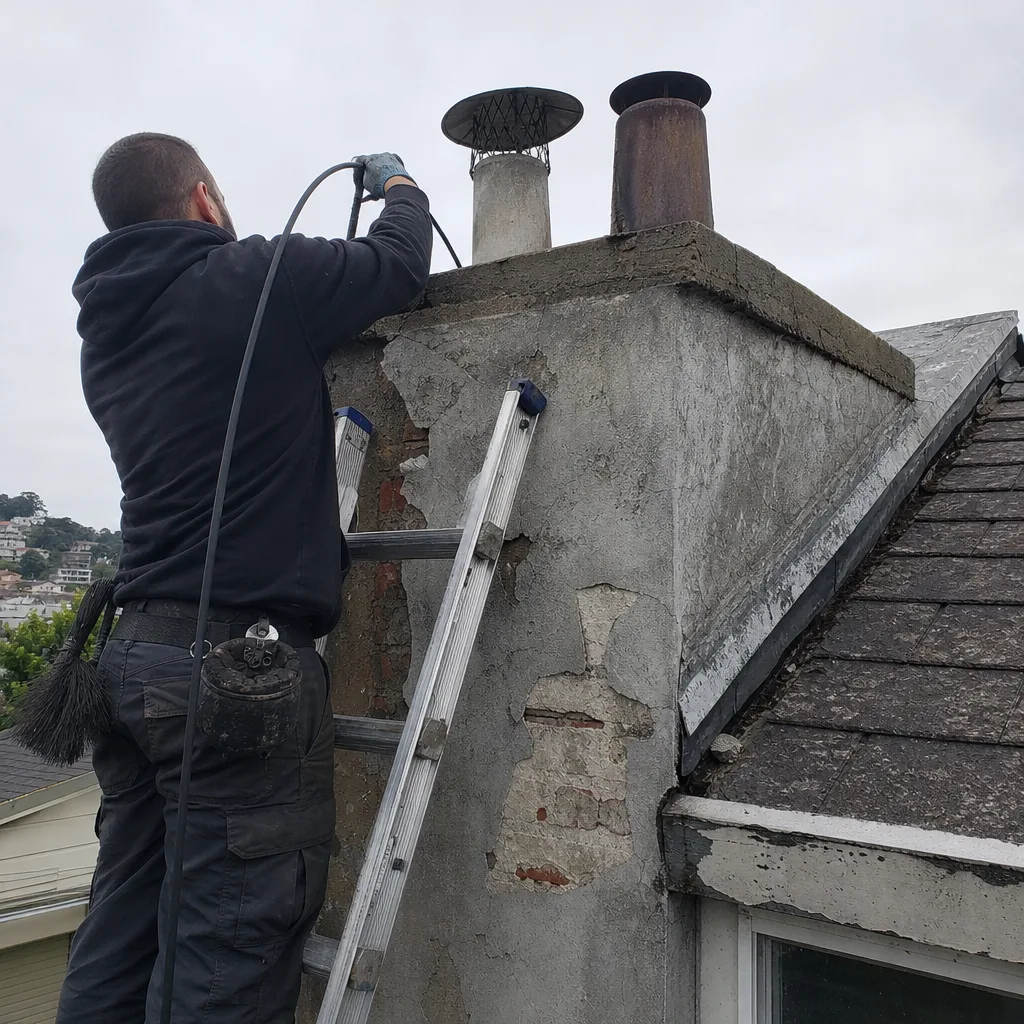
The exterior is where small problems become structural ones, and the exterior is where a homeowner can do the most useful self-inspection. If any of these items look off, a Chimney Sweep Bernal Heights home inspection will give you a straight answer about what needs fixing now and what can wait a season.
Interior Indicators You Can Self-Assess Before Calling a Sweep
Before you schedule anything, spend ten minutes with your fireplace doing a basic diagnostic. You’re not looking for a professional verdict, you’re gathering information that helps a sweep understand what’s happening. Three signals matter most: draft quality, smoke rollout behaviors, and odor type.
Draft Quality
- Open the damper fully and remove any glass doors or screens.
- Light a match or a piece of newspaper and hold it in the firebox opening.
- Observe the smoke direction. If it goes straight up the chimney, draft is adequate. If it curls back into the room, you have a draft problem.
A chimney that won’t draft initially is usually one of three things: cold flue air that needs to be pushed out with preheated air, a partially blocked flue, or a damper that isn’t actually open all the way. Hold a flashlight up past the damper and look for accumulated soot, animal debris, or the damper plate partially obstructing the flue.
Smoke Rollout Threshold
Smoke rollout is when smoke enters the living space during normal operation. The threshold for when it happens matters. A fire that rolls smoke during the first five minutes, then settles down once the flue warms, is common in Bernal Heights homes with exterior chimneys, which start colder than interior ones. A fire that still rolls smoke after fifteen minutes is a draft problem. A fire that rolled smoke immediately and gets worse as the fire builds is an obstruction or a seriously undersized flue, and you should stop burning until it’s inspected.
Odor As Diagnostic Signal
- Smoky or campfire smell, even when no fire is burning: Creosote buildup is thick enough that even a mild temperature rise releases odor. A sweep is overdue.
- Musty or damp smell: Water is getting into the chimney somehow. This is a cap, crown, or flashing issue, not a sweeping issue.
- Chemical or acrid smell during burning: This can indicate a highly glazed creosote condition, which burns at lower temperatures and is the most common cause of chimney fires. Stop using the fireplace and have it swept.
- Dead animal smell: A bird or squirrel has gotten past or around your cap. This is a removal and exclusion issue, and it’s more common in Bernal Heights than in downtown neighborhoods because of the tree canopy around the hill.
These self-checks give you better conversations with any chimney professional, and you can find Chimney Sweep Troubleshooting: Common Problems and How to Fix Them for deeper guidance. When you call for service, instead of “I think something’s wrong,” you can say “it drafts fine until about twenty minutes in, then rolls smoke, and I smell something acrid.” That’s the difference between a guess and a diagnosis.
What Sweep-Ready Means by Appliance Type
Different appliances have different inspection triggers. Knowing what “sweep-ready” means for your specific setup keeps you from scheduling a sweeping when what you actually need is a venting inspection, or skipping a needed service because you assume gas logs don’t require maintenance.
Open Hearth Wood-Burning Fireplace
The classic Bernal Heights wood-burning fireplace is the most straightforward to maintain: sweep after every 1/2 to 1 cord of wood, or annually, whichever comes first. If you burn soft wood like pine, you’ll be closer to the 1/2 cord threshold because softwood produces more creosote per burn. If you burn seasoned hardwood like oak or madrone, you can stretch closer to a full cord. Sweep-ready means the firebox and flue are clear of creosote, the damper operates fully, and the smoke chamber is clean. A standard sweeping in Bernal Heights runs between $200 and $350, depending on flue height and creosote condition.
Wood-Burning Insert
Inserts have different maintenance geometry. The liner connects to the insert body, and the unit sits forward in the original firebox. Sweeping an insert requires removing the baffle plate and typically takes longer than an open hearth. You should sweep an insert after every cord of wood burned, and you should have the blower and door gaskets checked at the same time. A worn door gasket on an insert causes the same smoky rollout symptoms as a blocked flue, but the fix is a $40 gasket replacement, not a sweeping, so you want a sweep who can tell the difference between the two conditions. In Bernal Heights, where many original 1920s and 1930s fireplaces have been converted to inserts, this matters more than in newer construction.
Gas Logs or Gas Insert
Gas log sets still need annual maintenance, but the trigger isn’t creosote, it’s ventilation verification. A gas log set in a wood-burning fireplace produces water vapor and carbon monoxide, both of which need to be vented properly. Annual inspection should verify that the damper is clamped open or sized correctly, that the flue is clean enough for gas exhaust, and that the log placement matches the manufacturer’s diagram. A dislodged log that impinges on the burner flame creates carbon monoxide, and you won’t see it or smell it. We’ve found CO levels above safe thresholds more often in gas-log setups in Bernal Heights living rooms than in any wood-burning appliance.
Factory-Built (Prefab) Fireplace
Factory-built chimneys are engineered UL-listed systems, not masonry structures. The maintenance trigger is the condition of the metal pipe and the integrity of the chase top. If a prefab pipe shows rust or separation at any joint, a sweeping won’t fix the safety issue, the pipe needs replacement. Homeowners with prefab units should get an annual visual pipe inspection from a sweep who knows the difference between a masonry flue problem and a factory-built pipe failure; see Choosing the Right Chimney Cleaning Brand: A Buyer’s Guide for Bernal Heights for help selecting qualified help.
Each appliance type has a different checklist because each fails differently. If you’re not sure what type you have, a chimney sweep in Bernal Heights can identify it in the first minute of a visit.
Documentation Every Homeowner Should Keep on File
Most Bernal Heights homeowners can’t tell you what type of liner is in their chimney, what brand cap is on top, or where their last inspection report went. That missing documentation costs money later. When a repair is needed, the technician is starting from zero, and the homeowner can’t verify recommendations. Here’s what should be in a folder labeled “Chimney.”
- Past inspection or sweeping reports: Every professional chimney service should produce a written report. Save every one. They establish a timeline of wear and catch progressive problems early.
- Liner material and type: Clay tile, stainless steel, or HeatShield resurfacing material. If it’s a stainless liner, note the brand and diameter. If it’s clay, note the tile size, which matters when evaluating relining options.
- Cap brand and model: If a Famco or Olympia Chimney cap was installed, the model number helps warranty replacement if a storm takes it off.
- Damper type and operation date: Top-sealing dampers have different wear patterns than throat dampers. Know which you have and when it was installed or last serviced.
- Photos: Take a photo of the exterior chimney, the firebox interior, and the flue if visible from the firebox. Date them. When something changes, you have a baseline comparison.
- Appliance manual: If you have an insert or factory-built fireplace, keep the manual. The clearance-to-combustibles specs and burn-rate recommendations matter for maintenance scheduling.
This documentation also protects you when you sell the house. A Bernal Heights buyer with a pre-inspection report in hand is far less likely to demand a chimney contingency or a $2,000 repair credit at closing. Paperwork shows a maintained system, and maintained chimneys sell houses faster in this market.
Flue Liner Condition: The Item That Determines Everything Else
Nobody thinks about their flue liner because it’s invisible. But the liner is the single component that determines whether your chimney is safe to use, whether it drafts properly, and whether a $400 repair stays a $400 repair or becomes a $4,000 rebuild. In Bernal Heights homes especially, where many fireplaces are original to 1920s and 1930s construction, clay tile liners are aging out simultaneously.
Clay tile liners crack for two primary reasons: thermal shock from rapid temperature changes, and moisture absorption from water that got past a failed crown or cap. The moisture angle matters in Bernal Heights because our wet season isn’t cold enough to prevent water from sitting in the masonry. A clay tile that absorbed water in February, then got hit with a hot fire in April, is a tile under thermal stress. We see cracked first and second flue tiles more often on the wetter, wind-exposed slopes of Bernal Hill than on the leeward side.
What a cracked liner means, practically:
- Carbon monoxide pathway: The gap between flue tile and masonry is not a sealed pathway. Cracked tiles allow CO and other combustion gases into wall cavities and, ultimately, living spaces.
- Chimney fire fuel: Creosote accumulates faster and ignites at lower temperatures when the liner has cracks or rough surfaces. A chimney fire with a cracked liner spreads into the structure faster.
- Draft degradation: Cracks admit cool air, which cools flue gases and reduces draft, which causes the smoky rollout symptoms described earlier.
Repair options range from joint repair for minor gaps between tiles, to HeatShield ceramic resurfacing for cracks that don’t require full replacement, to stainless steel relining with a DuraFlex liner for structural failure or offset flues. HeatShield specifically fills in minor cracks and smooths the flue surface, restoring a monolithic seal without the cost and disruption of breaking out the old tiles. We recommend HeatShield when the crack pattern is limited and the underlying chimney structure is sound; we recommend full relining when the tiles have separated, shifted, or spalled so badly that the flue no longer holds shape.
The point of this section is not to scare you into a liner replacement. It’s to make clear that a $200 annual sweeping is cheaper than any liner repair, and a scan or camera inspection during a sweeping is the only way to actually look at your liner before it fails. You can do the exterior checklist yourself, but the liner is the one part of the chimney that only a professional can assess. Chimney repair in Bernal Heights starts with seeing what’s actually inside the flue.
Common Mistakes to Avoid
- Skipping the annual sweep because “we barely use the fireplace.” Even occasional fires produce creosote. Worse, an unused chimney in Bernal Heights accumulates animal debris and moisture damage that a burning chimney would have burned off or revealed sooner. The annual sweep is about checking conditions, not just cleaning soot.
- Painting over water stains on the ceiling near the chimney. A water stain near a chimney is a flashing or crown leak that will not stop because you covered the evidence. Paint it, and you’ll repaint it next winter. Fix the chimney, then paint.
- Burning wood with visible moisture or green wood picked up from a roadside pile. Bernal Heights has plenty of sources for seasoned hardwood. Green wood produces more creosote per cord than anything else you can burn, and it makes your chimney dirtier faster than any other single habit.
- Installing a hardware-store cap as a permanent fix. Cheap caps rust through in three to five years in Bernal Heights fog and salt air. A Famco or Olympia Chimney stainless cap is a one-time purchase that lasts decades, and it’s a difference of under $100.
- Closing the damper tight in summer and forgetting about it. A fully sealed chimney traps moisture and creates the musty odor problem described earlier. If you don’t burn in summer, close the damper but briefly open it once a month to let the flue breathe.
- Ignoring the dryer vent because “that’s not a chimney problem.” Your dryer vent is a ventilation exhaust point that shares failure modes with your chimney: lint accumulation, bird entry, and decreased drafting. Chimney sweeps who also handle dryer vent cleaning in Bernal Heights can inspect both during the same visit, which most homeowners don’t realize is an option.
When to Call a Professional
Some chimney conditions are signs you can read from the ground, and some are not. If you see smoke rolling into the room after the first fifteen minutes of burning, stop using the fireplace and call for an inspection. If you smell an acrid or chemical odor during a fire, that’s glazed creosote and a chimney fire waiting for a spark, call immediately. If you see water staining on the ceiling near the chimney after a Bernal Heights storm, that’s a flashing or crown leak that’s already moving through your roof structure, call before the next rain. If you find animal nesting material in the firebox or hear scratching from the flue, call before the animal has a chance to die in the chimney and create a removal problem. And if a home inspector flags your chimney during a sale, which happens on most older Bernal Heights homes, call for a second opinion before you agree to a repair credit amount. Chimney Sweep Bernal Heights offers free estimates in Bernal Heights, call (844) 745-4668.
Frequently Asked Questions
A standard chimney sweeping in Bernal Heights typically runs between $200 and $350 for an open hearth fireplace, with inserts and prefab units running slightly higher due to disassembly and reassembly time. The final price depends on flue height, creosote condition, and whether any animal debris or glazed creosote requires additional labor. Call (844) 745-4668 for an exact quote based on your specific fireplace, estimates are free.
A wood-burning chimney should be swept after every 1/2 to 1 cord of wood burned, or annually at minimum, with the ideal scheduling window in Bernal Heights being October or November before heavy burn season starts. Gas log sets need annual ventilation verification rather than a traditional sweeping, and any chimney should receive an exterior inspection after each winter storm season.
Yes, gas log sets and gas inserts need annual maintenance focused on ventilation verification, carbon monoxide safety, and log placement against the manufacturer’s diagram, not soot removal. A gas appliance in an unmaintained flue still presents CO risk and water intrusion risk, and the annual check confirms the damper is clamped correctly and the flue is clear enough for gas exhaust.
Smoke rolling into the room after the fire is established, acrid odors during burning, visible cracked or spalled flue tiles during a camera inspection, and water staining on interior walls near the chimney are all indicators of liner damage. In Bernal Heights, moisture-related liner cracking is more common on wind-exposed slopes, and any suspicion of liner damage warrants a camera inspection before the next burn.
While DIY chimney sweeping is possible with the right equipment, it’s genuinely dangerous to do from a Bernal Heights roof, especially on steep hillside lots with limited staging space, and a DIY sweep can’t perform the camera inspection that catches liner cracks before they fail. A professional sweeping also includes the exterior assessment, draft verification, and documentation that a homeowner more often skips.
Do not light a fire in a fireplace that has sat idle for multiple Bernal Heights winters without having it inspected first. The likely conditions are accumulated creosote from previous burns, possible animal debris, rusted damper hardware, and moisture damage that developed during the idle period, all of which can be assessed and remediated during a single sweeping visit. Call (844) 745-4668 to schedule an inspection before you build the first fire.
The Bottom Line
A Bernal Heights chimney is a full ventilation system, not just a place to burn wood, and the maintenance checklist that protects it covers the cap, crown, flashing, liner, smoke chamber, firebox, and the appliance itself. Explore our more guides & resources for year-round chimney care. The cheapest maintenance you’ll ever do is an annual sweep that catches a hairline liner crack before it becomes a chimney fire. The most expensive mistake is skipping the exterior inspection until a crown leak has been feeding your masonry for five winters. Schedule your sweep in October or November, check your exterior after storms, keep your documentation current, and treat your dryer vent as part of the same ventilation safety picture. If any of this feels overdue, call (844) 745-4668 and we’ll look at the whole system, not just the firebox.
Written by the team at Chimney Sweep Bernal Heights, serving Bernal Heights since 2016.
See the difference
 Before
 After
 Before
 After
 Before
 After