
Last updated November 2, 2026
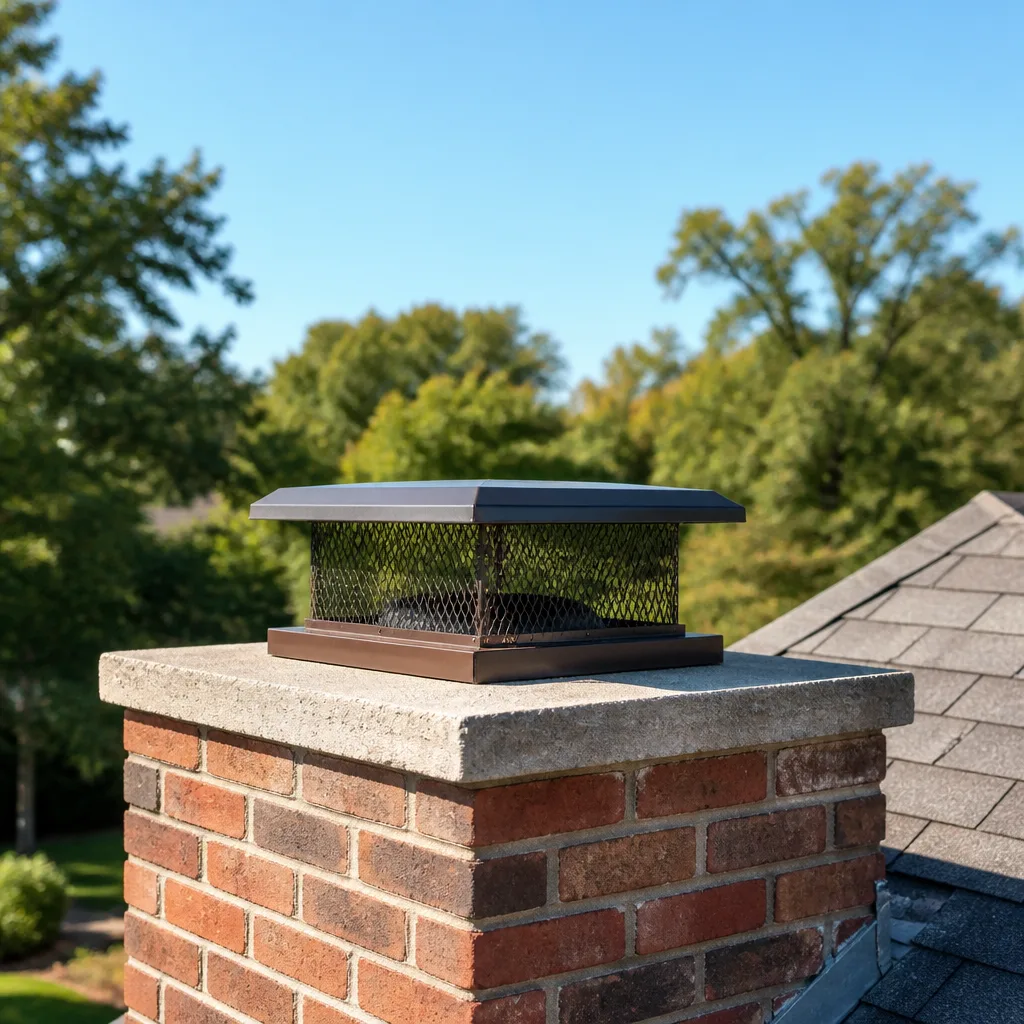 Sweep & inspection
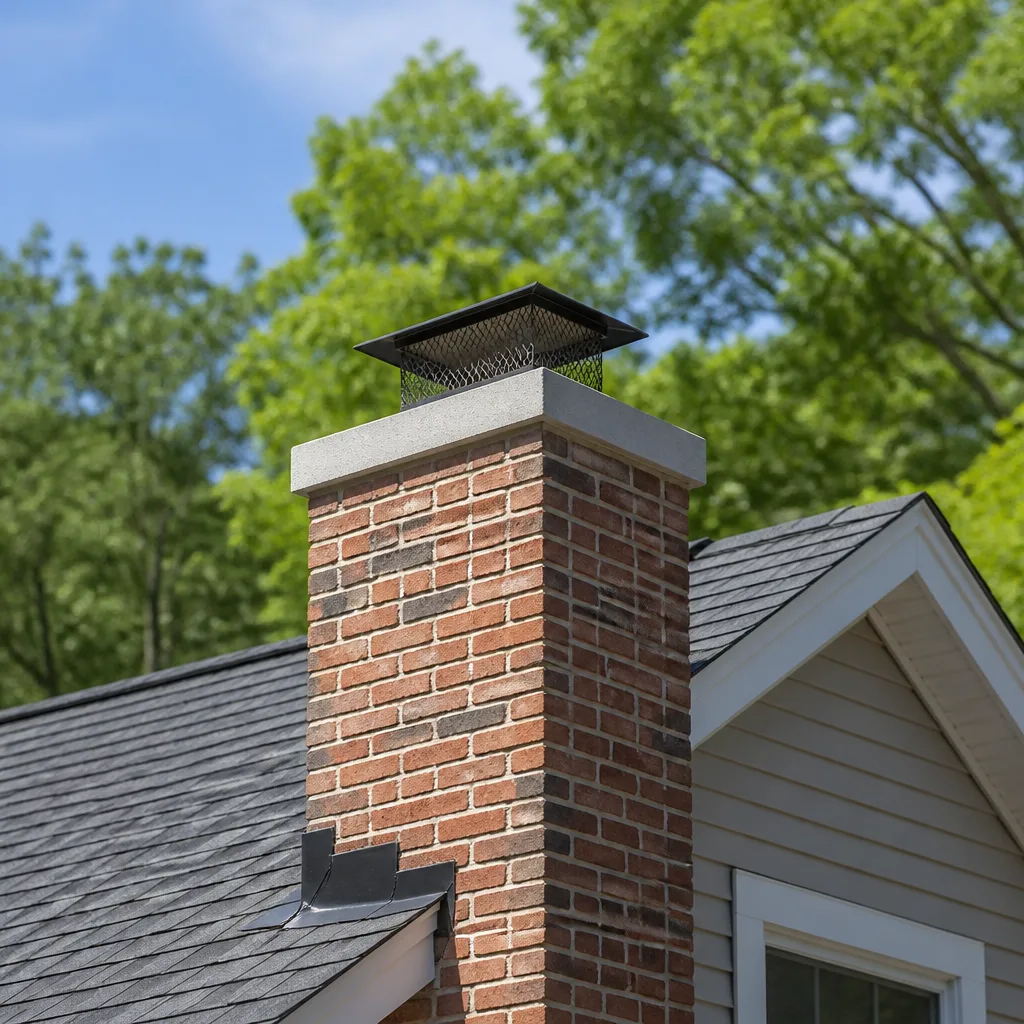 Caps & crowns
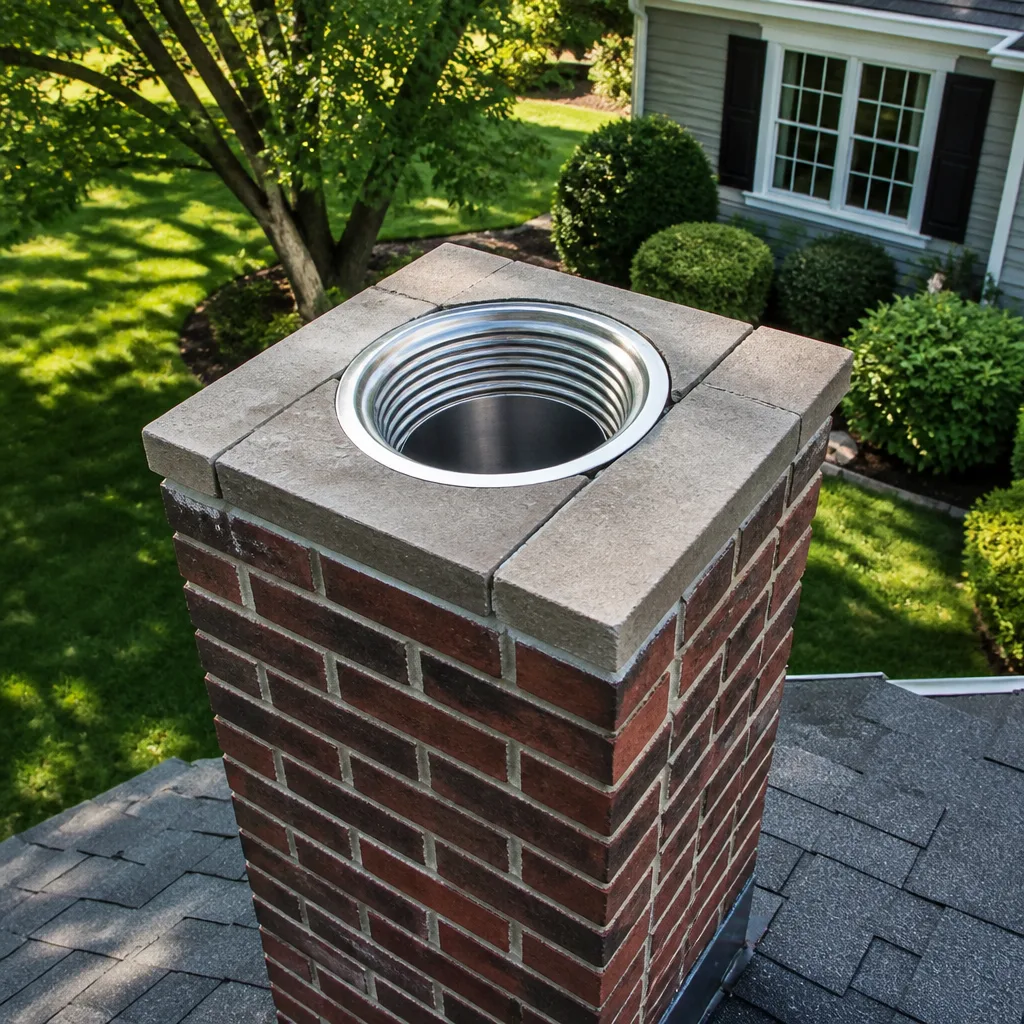 Flue relining
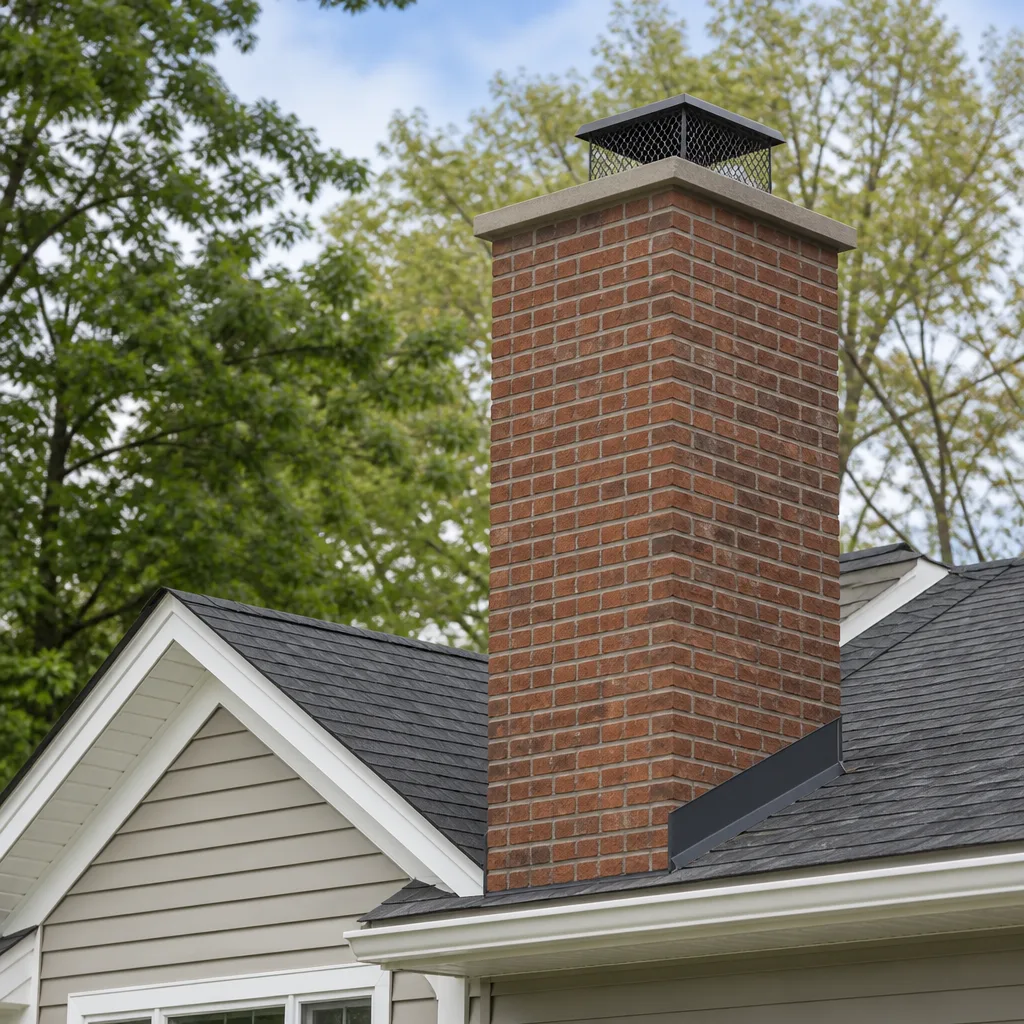 Masonry repair
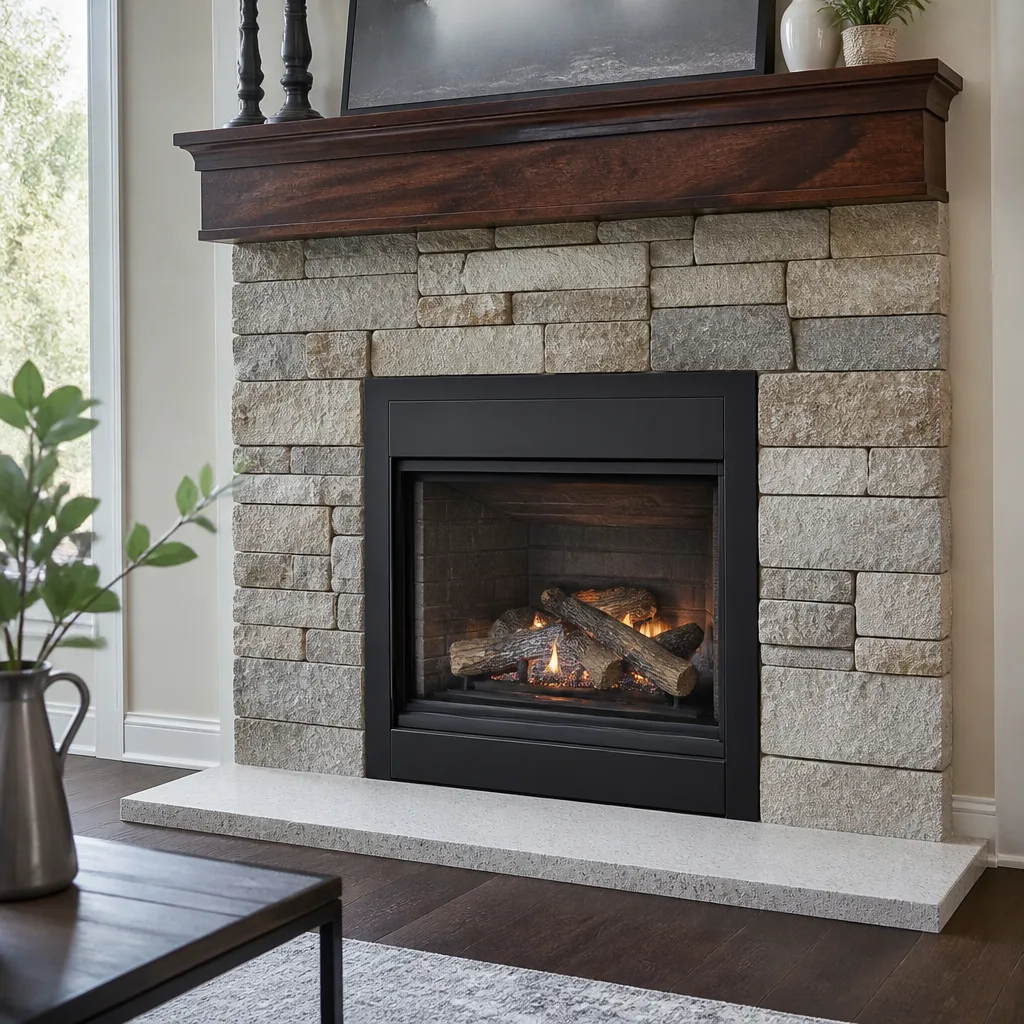 Gas fireplace service
Level 1 sweep and inspection to the NFPA 211 annual standard - flue, crown, cap, and flashing checked and photographed
Chimney sweep logs do not sweep chimneys. They loosen some creosote - which then falls where a brush and vacuum still have to collect it.
Chimney Cleaning Emergency Preparedness Guide for Bernal Heights Homes
A chimney fire sounds like a freight train moving through your wall. Most homeowners who’ve had one describe being frozen for 30 to 60 seconds because they didn’t know what they were hearing, and that’s the window where closing the damper and calling 911 could have made the difference between a contained flue event and a structural fire. This guide covers what Bernal Heights residents need to know before an emergency happens: the sensory signatures of a chimney fire, the correct five-step response sequence, carbon monoxide protocols for gas fireplaces, what to keep on hand before burning season, and the California code requirements that govern whether your appliance can legally be used again after an event.
Quick Answer
Chimney emergency preparedness for Bernal Heights homes means knowing three things: how to recognize an active chimney fire by sound and sight, the correct five-step response that starts with closing the damper and calling 911, and what California code requires before a fireplace can be used again after any event. Every homeowner should also have a working CO detector placed per manufacturer spec, a fire extinguisher rated for the room, and a Chimney Sweep Bernal Heights home professional’s number saved before fire season begins.
Styles & brands we work with
- Sweep & inspection
- Caps & crowns
- Flue relining
- Masonry repair
- Gas fireplace service
Table of Contents
- What a Chimney Fire Actually Sounds and Looks Like
- The Five-Step Immediate Response Sequence
- Carbon Monoxide Protocol for Gas Log and Insert Fireplaces
- Pre-Event Preparation: What to Have on Hand Before Fire Season
- Post-Event Inspection Requirements Under California Code
- Sudden Structural Failures: What They Look Like and What to Do
- Why Bernal Heights Homes Have Specific Chimney Risk Factors
- Common Mistakes to Avoid
- When to Call a Professional
- Frequently Asked Questions
What a Chimney Fire Actually Sounds and Looks Like
An active chimney fire is unmistakable once you know what to listen for. Inside the house, occupants typically report a low, rumbling roar that builds in intensity, often compared to a train passing close by or a jet engine spooling up. The sound comes from the flue itself, where creosote deposits have ignited and are burning at temperatures that can exceed 2,000 degrees Fahrenheit. The noise is not subtle. If you hear it, there is no ambiguity about what’s happening.
Outside the house, a chimney fire presents as thick, dark smoke pouring from the chimney top, often with visible flames shooting several feet above the cap. In some cases, embers and burning creosote debris can be seen falling onto the roof or into the yard. Neighbors have called 911 for Bernal Heights homes after seeing flames from the street before the occupants inside even realized anything was wrong – one of the chimney cleaning warning signs Bernal Heights homeowners should know. Interior walls near the chimney may feel hot to the touch. A strong, acrid odor, unlike normal wood smoke, fills the house. In a few moments, cracks can form in the flue liner and allow fire to reach combustible framing.
Creosote: The Fuel Source
Creosote is the tar-like byproduct of incomplete wood combustion. It condenses on flue walls as smoke cools on its way up. In Bernal Heights, we regularly see accelerated creosote buildup in homes where owners burn unseasoned wood or run fires low and slow for extended periods, which is common during the damp, foggy stretches of the year. Wet wood smolders rather than burns, producing far more creosote per fire than dry hardwood. Creosote exists in three stages: a flaky, soot-like first stage; a crunchy, granular second stage; and a hardened, glossy third stage that looks like black glass. It’s the third-stage creosote that fuels the most catastrophic chimney fires because it burns hot and long. A thorough Chimney Sweep in Bernal Heights removes all three stages, not just the loose soot a homeowner can see from below.
The Five-Step Immediate Response Sequence
During a chimney fire, the correct response is quick, specific, and designed to starve the fire of oxygen while alerting emergency services. Do not attempt to climb onto the roof. Do not throw water into the fireplace. Here is the sequence, in order:
- Close the damper and fireplace doors or glass front immediately. This cuts the oxygen supply from inside the house to the flue. A chimney fire that loses its draft source will often begin to burn out on its own within minutes, though you still need professional assessment afterward.
- Evacuate everyone from the house. Do not stop to gather belongings. Chimney fires can breach the flue liner and spread to attic or wall framing in under ten minutes. Get out, close the door behind you, and account for every person and pet.
- Call 911 from outside. Time matters here. Tell the dispatcher you have an active chimney fire, give your Bernal Heights address, and report whether any occupants remain inside. Do not assume the fire has gone out because the noise stopped.
- Brief the firefighters when they arrive. Tell them exactly what you heard and saw, whether the damper was closed, and how long the fire appeared to burn. If you know you have a stainless liner or a terracotta flue, say so. This information changes how SFFD approaches the response.
- Do not use the fireplace again until a certified professional inspects it. Even a fire that burned itself out can leave the liner fractured, which sets up the next fire to spread into the house. Under California code, the appliance is out of service until inspected and cleared.
Carbon Monoxide Protocol for Gas Log and Insert Fireplaces
Gas fireplaces fail differently than wood-burning ones, and Bernal Heights has plenty of them. Many homes in the neighborhood were renovated during the 1990s and 2000s, and gas log sets or sealed gas inserts were a popular upgrade at the time. Gas appliances don’t produce creosote, but they do produce carbon monoxide, and a blocked or damaged vent turns an invisible, odorless gas into a lethal hazard inside the house.
Carbon monoxide events announce themselves through symptoms, not sounds. Headache, dizziness, nausea, confusion, and shortness of breath that improve when you leave the house are the classic presentation. Multiple people in the household feeling sick at the same time is a red flag. If your CO detector sounds, treat it as an emergency regardless of how you feel. Open windows on your way out if you can do so quickly, evacuate, and call 911 from outside. Do not ventilate the house and go back to bed, assuming the alarm was faulty. Firefighters carry gas detection equipment and will identify whether the source is the fireplace, water heater, or another combustion appliance.
CO Detector Placement Matters
California law requires CO detectors in all dwelling units with a fossil fuel-burning appliance or attached garage. Place detectors outside each sleeping area and on every level of the home. Do not install them directly above the fireplace or within 15 feet of a cooking appliance, where transient smoke or humidity can cause nuisance alarms. Test units monthly and replace batteries on a schedule that doesn’t rely on the low-battery chirp. The chirp means the detector has already been non-functional for a period of time.
Pre-Event Preparation: What to Have on Hand Before Fire Season
Preparedness is the difference between a scary event and a catastrophic one. Every Bernal Heights household with a fireplace should run through a chimney sweep maintenance checklist before the first fire of the season. Here is what to have in place:
- Working smoke detectors and CO detectors on every level and outside sleeping areas, tested monthly.
- A fire extinguisher rated for the living area (ABC rating is appropriate for most homes), mounted within reach but not directly next to the fireplace where a fire could block access to it.
- Your chimney professional’s phone number saved in your phone. During an emergency, scrolling through search results wastes time. Save (844) 745-4668 for Chimney Sweep Bernal Heights home service now.
- Familiarity with your damper. Know whether it opens and closes smoothly, and know which position is closed. Test it before burning season. A damper that’s stuck open during a chimney fire removes your first and most important response tool.
- Seasoned firewood only. Wood should be split and stacked for at least six months before burning. In Bernal Heights, wood stored outdoors through a damp winter without cover rarely dries adequately.
Have Your Chimney Swept Before Burning Season
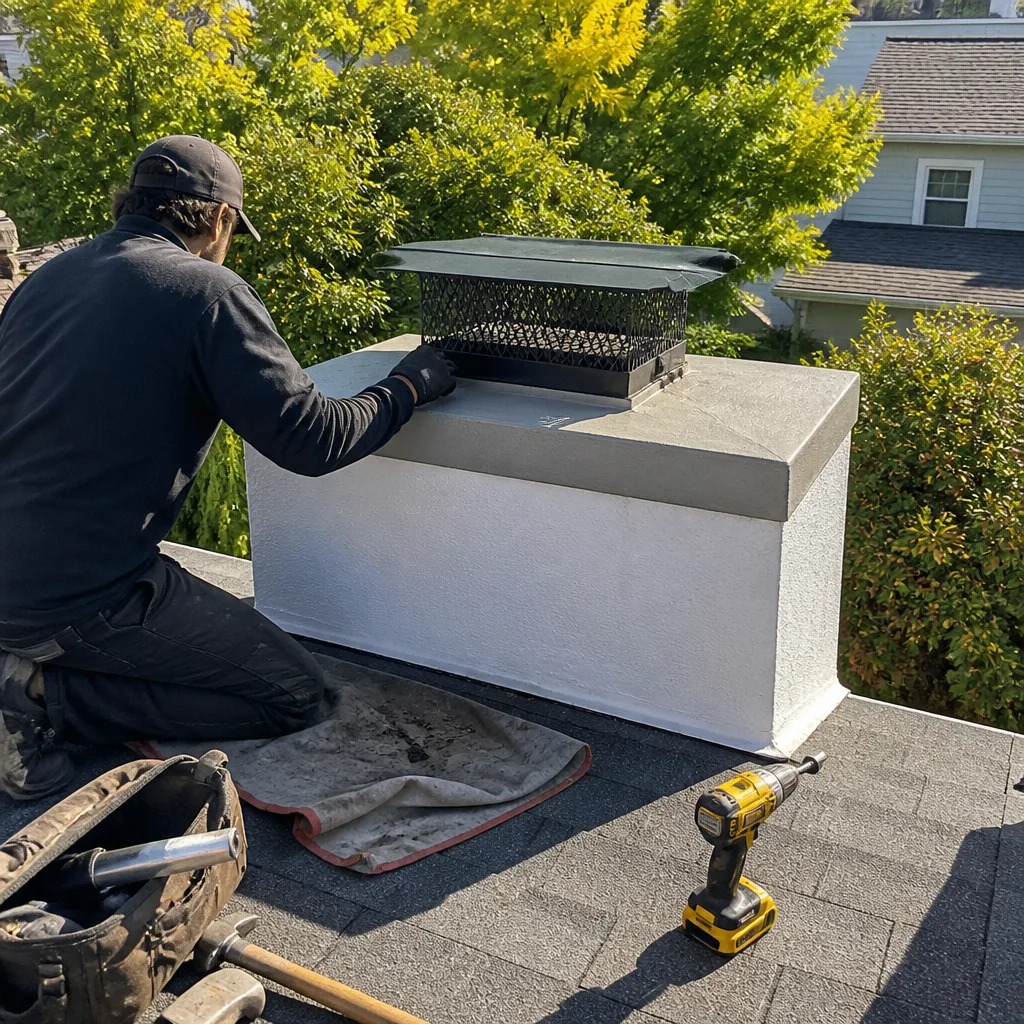
The single most effective emergency-prevention measure is a professional sweep before the first fire of autumn. A sweep removes creosote before it becomes a fire load and identifies cracks, blockages, and cap damage before they fail mid-season. For homes with gas inserts, the equivalent step is an annual inspection of the venting system and burner operation. We use professional-grade tools and materials, not generic substitutes, because the difference matters in a flue that has to contain a fire. If a sweep identifies liner damage, repair should happen before the appliance is used again. Homeowners who need Chimney Repair in Bernal Heights can coordinate the work immediately, without waiting for a second contractor to become available.
Post-Event Inspection Requirements Under California Code
After any chimney fire or carbon monoxide event, the appliance cannot be legally used again until it has been inspected by a qualified professional and cleared for operation. This is not a suggestion and it’s not something to skip because the fire “didn’t seem that bad.” The California Mechanical Code and the National Fire Protection Association Standard 211 both require a Level 2 inspection after any chimney fire, any seismic event, or any change to the appliance or venting system. A Level 2 inspection includes video scanning of the flue interior to identify hidden damage.
A chimney fire that burned at 2,000 degrees has subjected your flue liner to thermal shock. Terracotta liners crack. Mortar joints fail. Stainless liners can warp or separate at the seams. None of this damage is visible from the fireplace opening. If the liner is compromised and you build another fire, the next event may not stay contained in the chimney. In our experience, homeowners who skip the post-fire inspection are rolling dice with their house, and the odds are not in their favor.
What the Inspection Covers
- Video scan of the flue interior from the appliance to the termination cap.
- Assessment of the chimney cap, crown, and rain pan for heat damage.
- Check of the smoke chamber and damper assembly for warping or binding.
- Examination of nearby framing and insulation in the attic where accessible.
- Written report documenting findings, with photo or video evidence.
If the liner requires repair, we discuss options honestly. HeatShield ceramic resurfacing can restore a damaged terracotta liner without full replacement in many cases, which saves significant cost. When a liner is beyond restoration, DuraFlex stainless liner systems provide a durable, code-compliant replacement that works well in the older and offset flue configurations common in Bernal Heights homes.
Sudden Structural Failures: What They Look Like and What to Do
Not every chimney emergency is a fire. Structural failures can occur suddenly, especially in Bernal Heights, where many homes date to the early and mid-20th century and sit on hillside lots that shift with seasonal ground movement. A chimney that separates from the house is a serious hazard.
Watch for these signs:
- A visible gap between the chimney and the house wall that wasn’t there before or has widened recently.
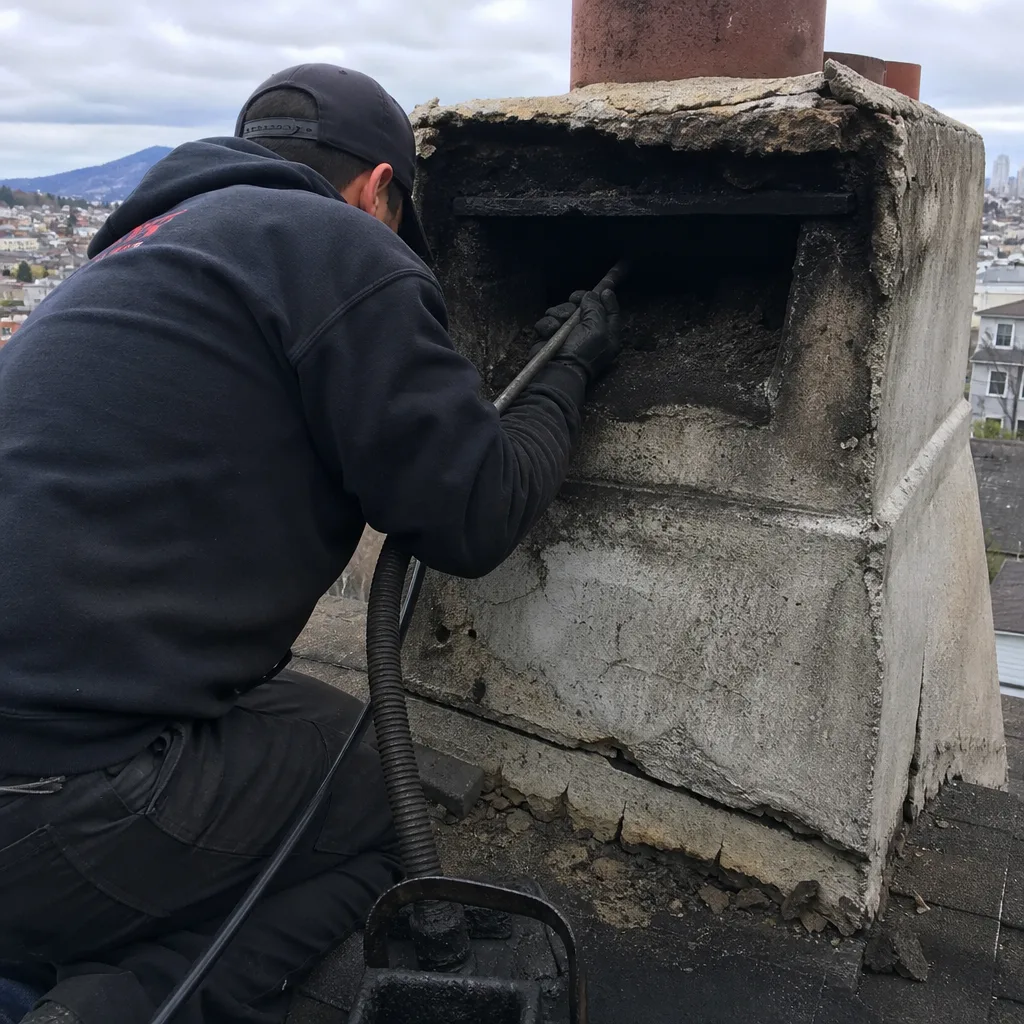
- Crumbling mortar or fallen brick pieces at the base of the chimney or in the firebox.
- A leaning chimney that’s visibly out of plumb from the street or yard.
- Water staining on interior walls or ceilings near the chimney chase, indicating a failed crown or cap that’s letting water into the framing.
- Sudden draft changes or smoke entering the room during normal use, which can indicate a partial collapse or blockage inside the flue.
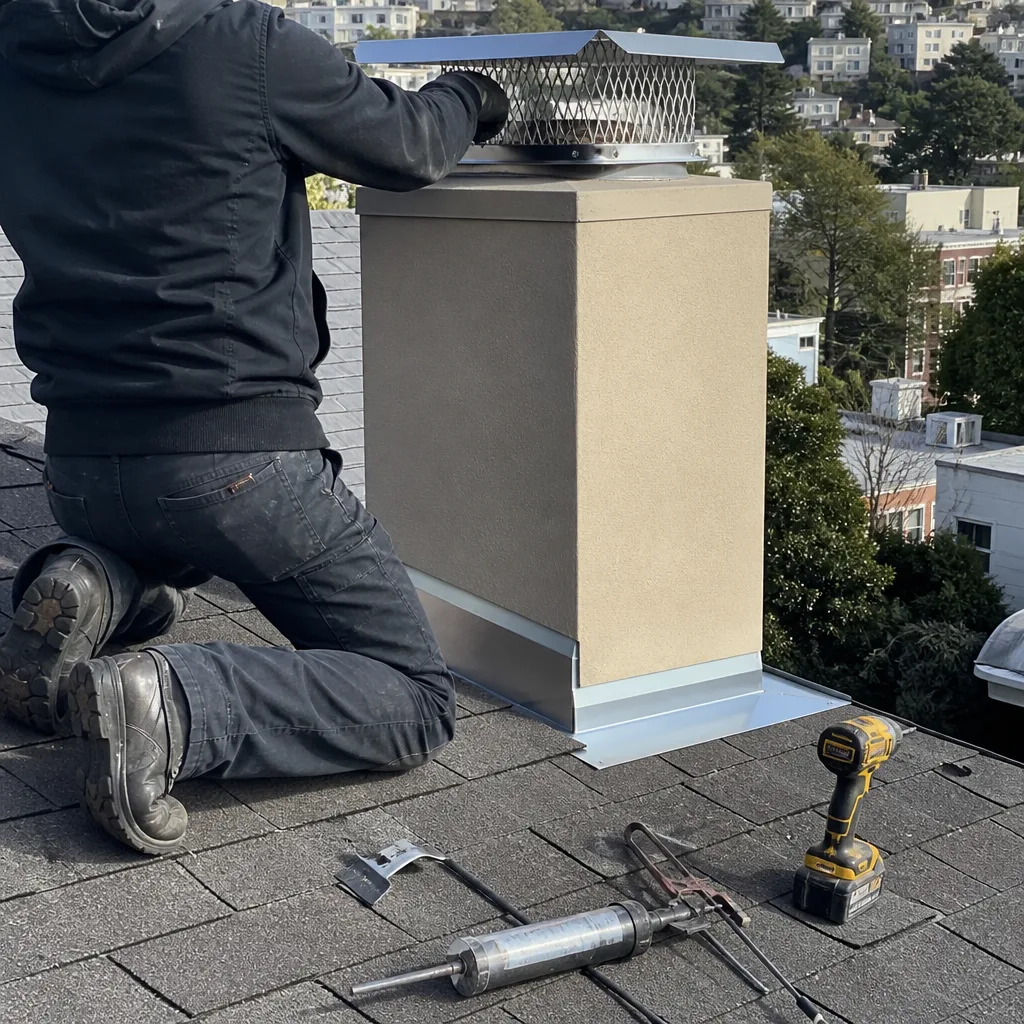
If you see a significant gap or leaning, stay out of the fall zone and keep children and pets clear of the area. Call a professional for an assessment. A structurally compromised chimney is a hazard to anyone below it and to the building envelope. Chimney Repair in Bernal Heights covers everything from cap and crown replacement to full structural remediation, and we use products like Copperfield caps and Gelco dampers when the repair calls for replacement hardware.
Why Bernal Heights Homes Have Specific Chimney Risk Factors
Bernal Heights isn’t a generic suburb, and its homes don’t have generic chimneys. The housing stock here skews older. Many homes were built between 1900 and 1950, with terracotta flue liners that have been in service for 70 to 100 years. Terracotta cracks with age and thermal cycling, and a cracked terracotta liner is a fire waiting for an ignition source. Renovations over the decades have frequently changed how the fireplace is used, with wood-burning fireplaces converted to gas logs or sealed inserts, sometimes without proper venting adjustments. Hillside exposure means wind and weather hit chimneys from angles that accelerate cap and crown deterioration.
We also see a specific pattern in Bernal Heights: homeowners who use the fireplace as a supplemental heat source during the coldest, dampest weeks of winter, burning whatever wood they have on hand. That means low-temperature, high-smoke fires that deposit creosote quickly. The result is a firebox and flue that look fine from the living room but carry a serious fire load inside the chimney by February.
Common Mistakes to Avoid
- Throwing water on a chimney fire. Water hitting a 2,000-degree flue liner causes instant thermal shock, which can shatter terracotta liners and send burning material into the wall cavity. Never do this. Close the damper and evacuate.
- Assuming the fire is out because the noise stopped. A chimney fire can smolder in third-stage creosote and reignite. After any chimney fire event, the flue requires inspection before further use, regardless of how quickly the sound subsided.
- Ignoring a CO alarm that stops sounding. CO alarms can stop sounding when the source is removed or when doors are opened, but the gas may still be present at dangerous levels. Treat every CO alarm as real. Evacuate and call 911.
- Burning unseasoned wood. Wet wood is the number one cause of accelerated creosote buildup in Bernal Heights homes. Split, stack, and season wood for at least six months before burning, and store it covered during winter.
- Skipping the annual sweep. The NFPA recommends annual inspection and cleaning as needed for any regularly used fireplace. Skipping it means the first sign of a problem may be the emergency itself.
- Dealing with a fireplace that hasn’t been used in years without an inspection. Birds, rodents, and debris can block a flue that’s been idle. A blocked flue pushes smoke and carbon monoxide into the house on the first fire. Have it inspected before resuming use.
When to Call a Professional
Any of the following situations warrant a call to a qualified chimney professional immediately: after any chimney fire, after any CO event involving the fireplace or venting system, when you see visible structural movement or gaps around the chimney, when smoke enters the room during normal use, or when you haven’t had the flue inspected in more than a year and plan to use the fireplace again. A professional assessment is also the right step if you’ve recently purchased a Bernal Heights home and don’t know the history of the chimney. Chimney Sweep Bernal Heights offers free estimates in Bernal Heights, call (844) 745-4668 to schedule. We handle sweeping, Dryer Vent Cleaning in Bernal Heights, and full chimney repair, so findings during a sweep are addressed by the same crew, not referred out to a contractor you’ve never met.
Frequently Asked Questions
You’ll hear a loud rumbling or roaring sound from the flue that resembles a freight train, and you may see thick dark smoke or flames coming from the chimney top outside. Walls near the chimney may feel hot. If you hear that sound or see those signs, close the damper, evacuate, and call 911.
Do not attempt to extinguish an active chimney fire with water or by climbing onto the roof. Closing the damper to cut oxygen is the correct first step, followed by evacuation and calling 911. Any chimney fire means the flue must be professionally inspected before the fireplace is used again.
The National Fire Protection Association recommends inspection at least once per year and cleaning when creosote buildup reaches 1/8 inch. Homes in Bernal Heights that burn wood regularly or use unseasoned firewood typically need a sweep before burning season each year. Gas fireplaces still require annual venting inspections.
Skipping a sweep allows creosote to accumulate. Creosote is flammable, and at sufficient thickness, a hot fire or even a spark can ignite it, producing a chimney fire that can reach 2,000 degrees and breach a cracked liner. The risk is not theoretical; chimney fires cause millions in property damage every year.
Yes, but the hazard profile is different. Gas fireplaces don’t produce creosote, but they do produce carbon monoxide. A blocked vent, damaged seal, or malfunctioning burner can release CO into the living space silently. Working CO detectors and annual venting inspections are the preparedness steps that apply to gas appliances.
Yes. Bernal Heights sits in a seismically active region, and a Level 2 inspection is required after a significant seismic event before the fireplace is used again. Earthquakes can crack flue liners, shift chimney stacks, and loosen mortar joints. The damage is rarely visible from the living room.
The Bottom Line
Chimney emergencies in Bernal Heights are preventable with preparation and manageable with knowledge. Know what a chimney fire sounds like so you don’t hesitate. Close the damper, evacuate, call 911. Treat every CO alarm as real. Get your chimney swept before burning season, burn only seasoned wood, and never use the fireplace again after any event until a professional has inspected it. The five minutes before firefighters arrive are decisions, not panic, and the homeowners who have a process in place come through with far less damage. Save the number, schedule the sweep, and know which way your damper closes.
Written by the team at Chimney Sweep Bernal Heights, serving Bernal Heights since 2016.
See the difference
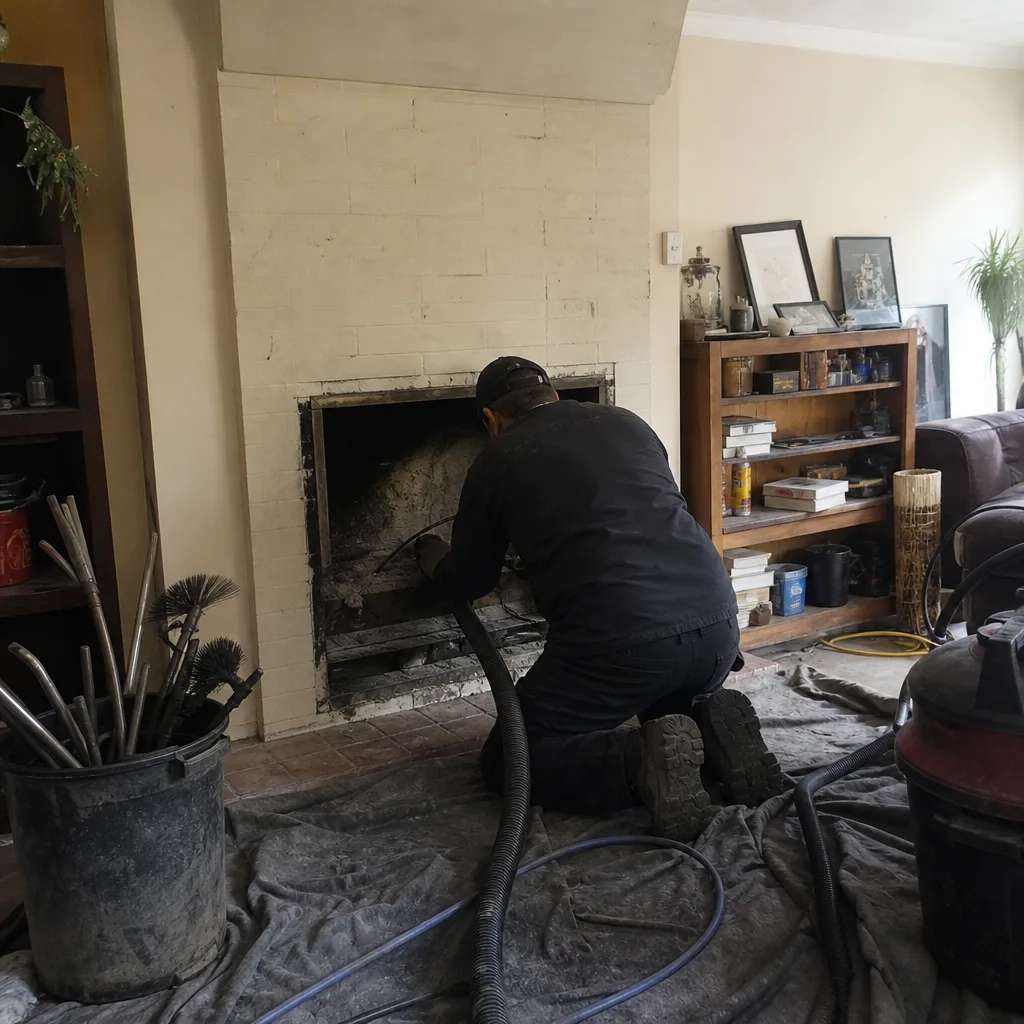 Before
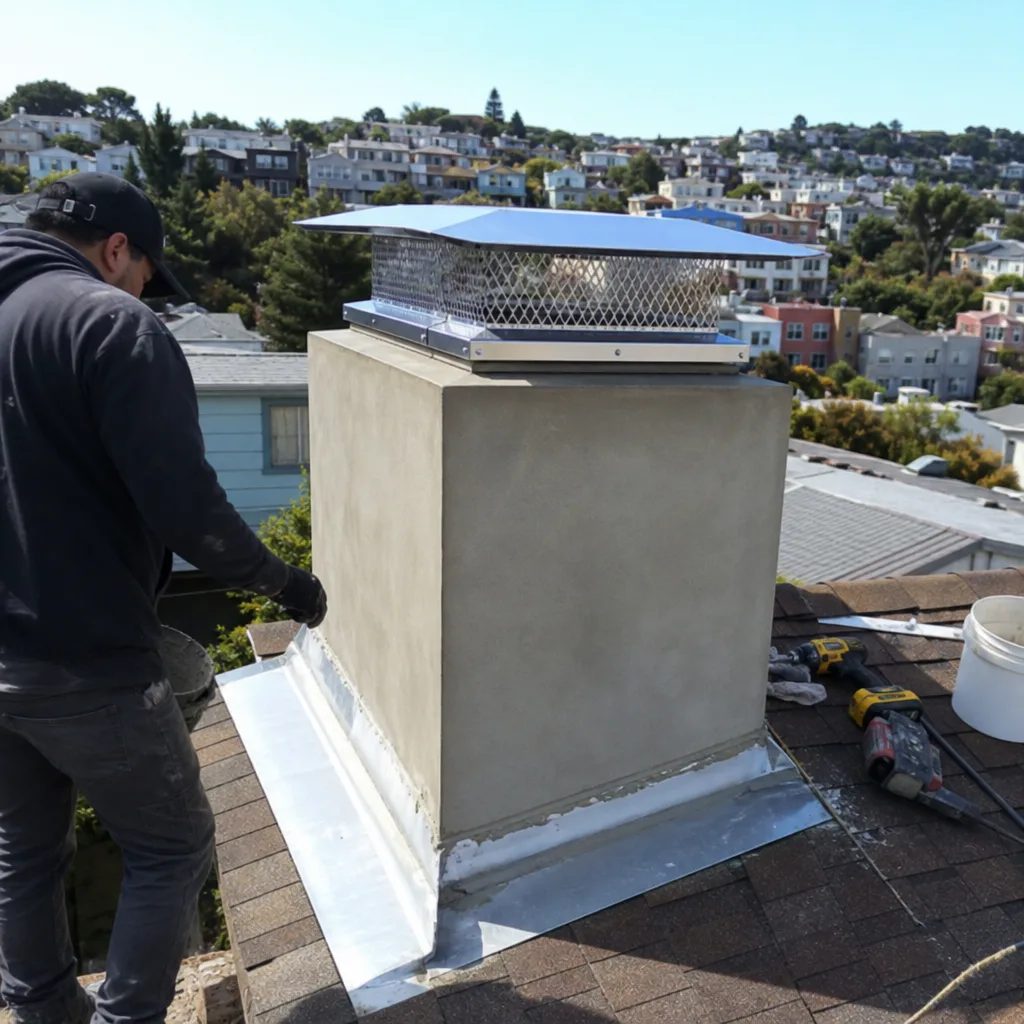 After
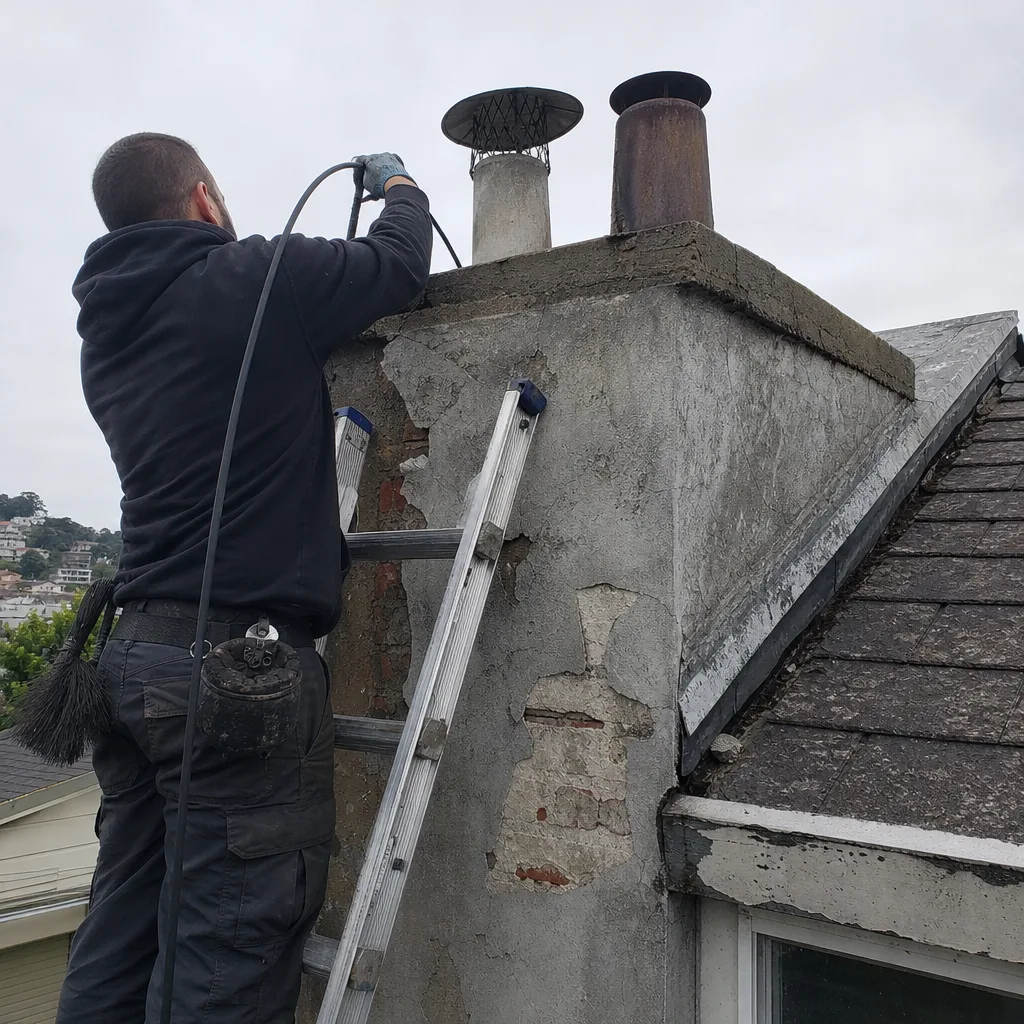 Before
 After
 Before
 After