
Last updated November 2, 2026
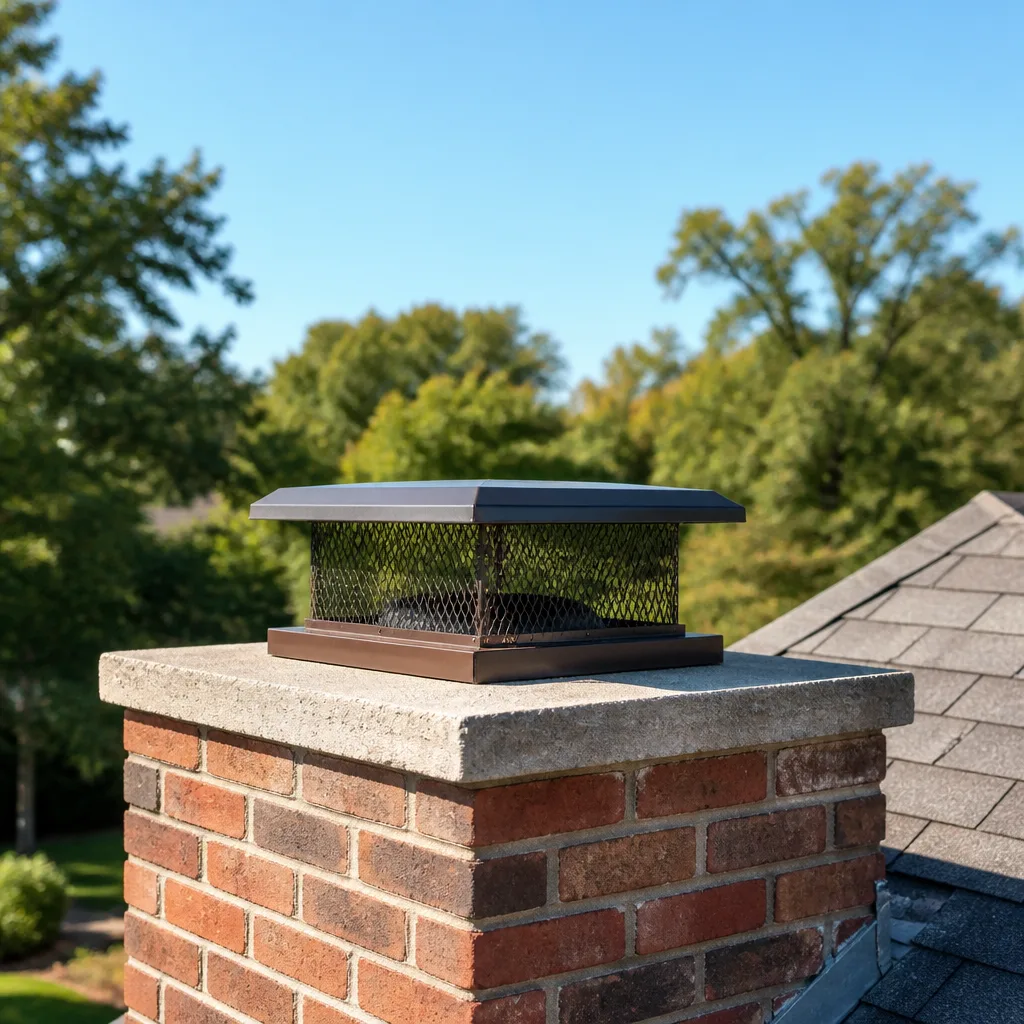 Sweep & inspection
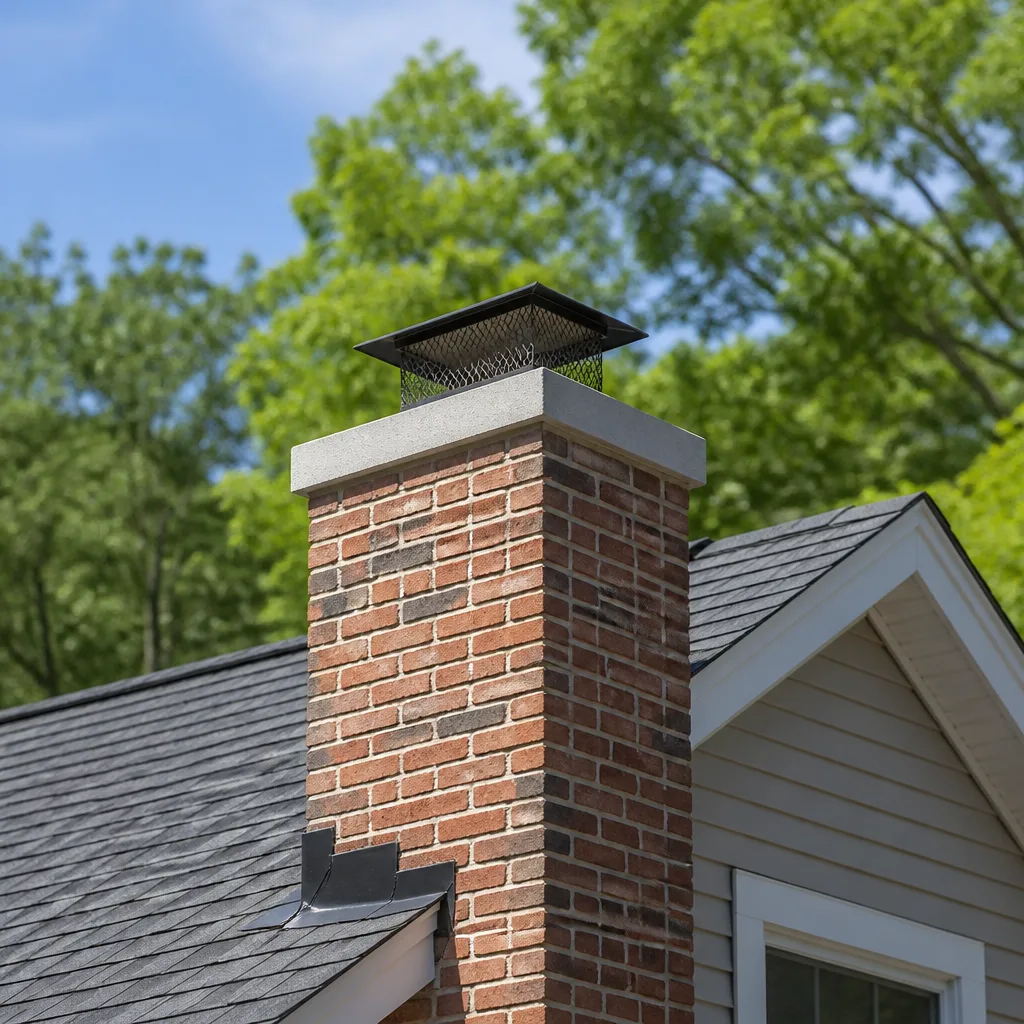 Caps & crowns
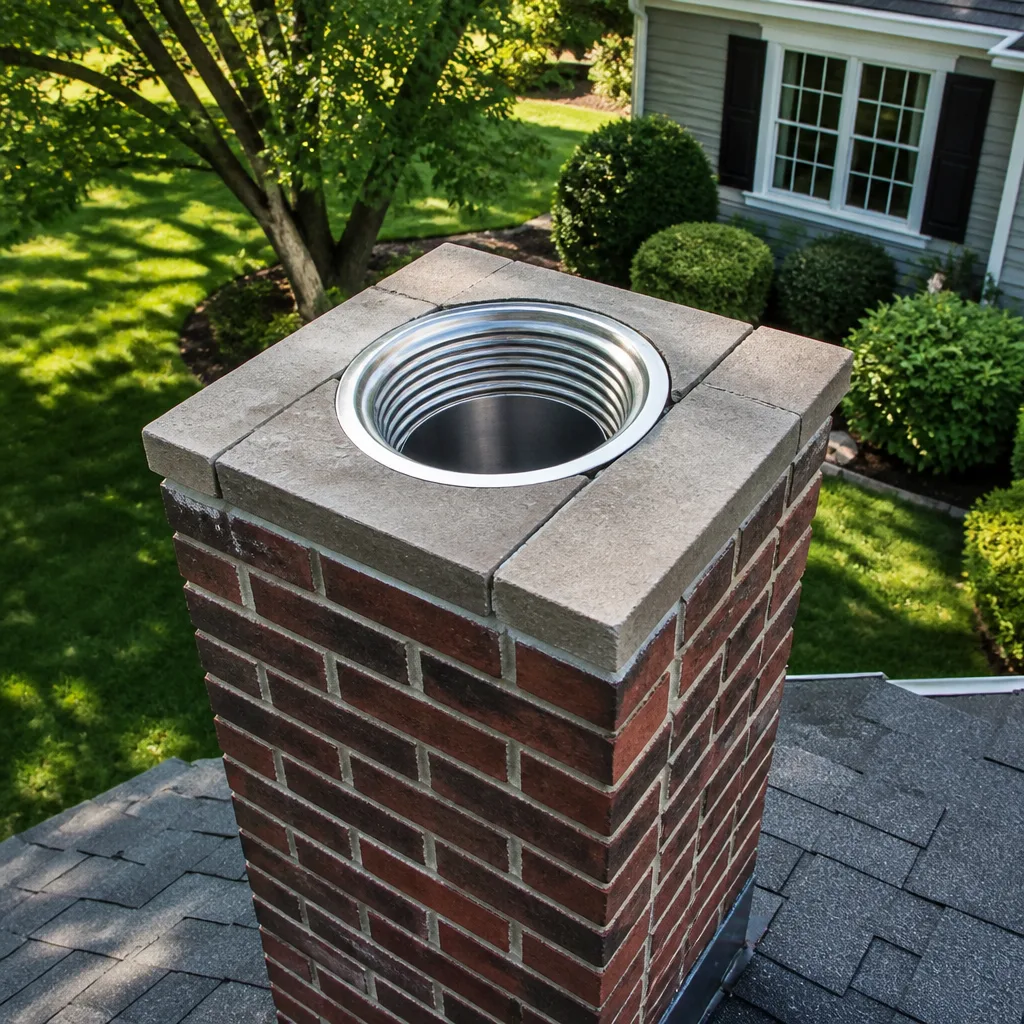 Flue relining
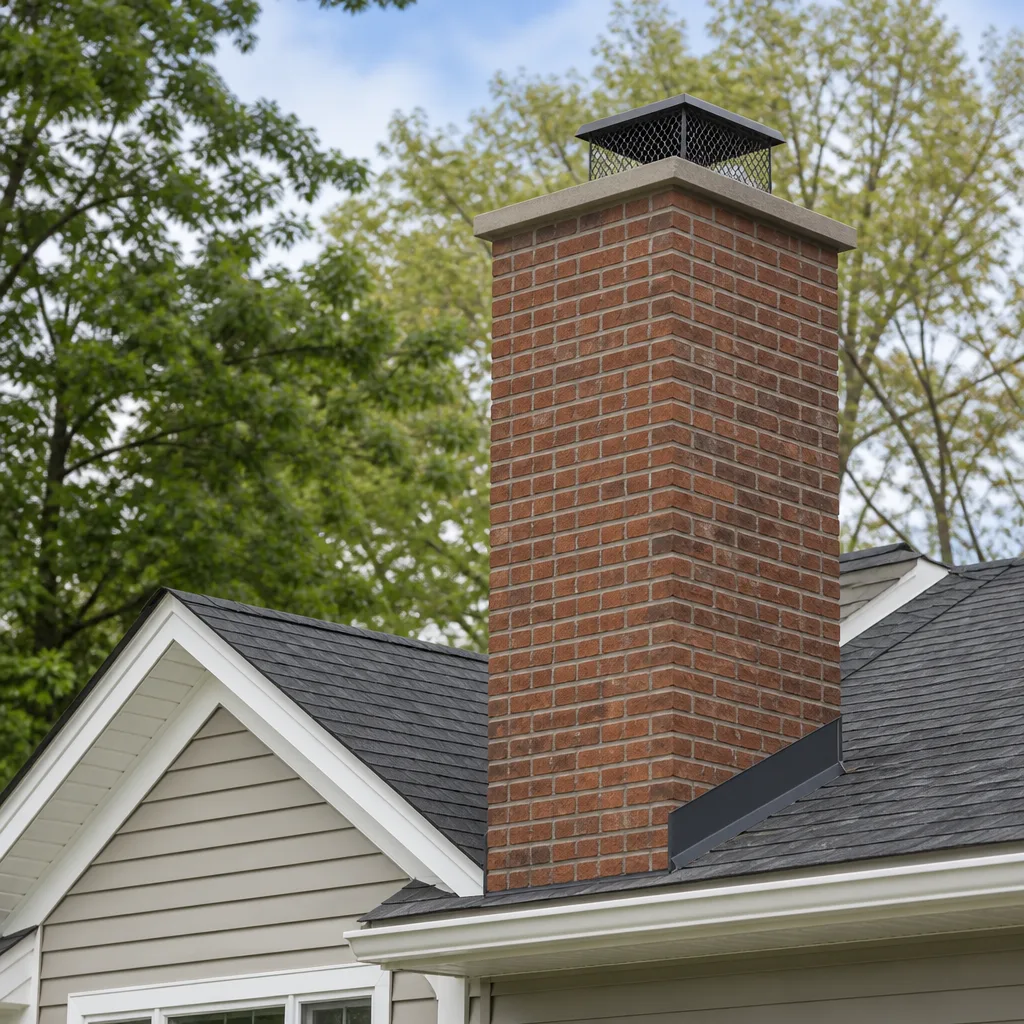 Masonry repair
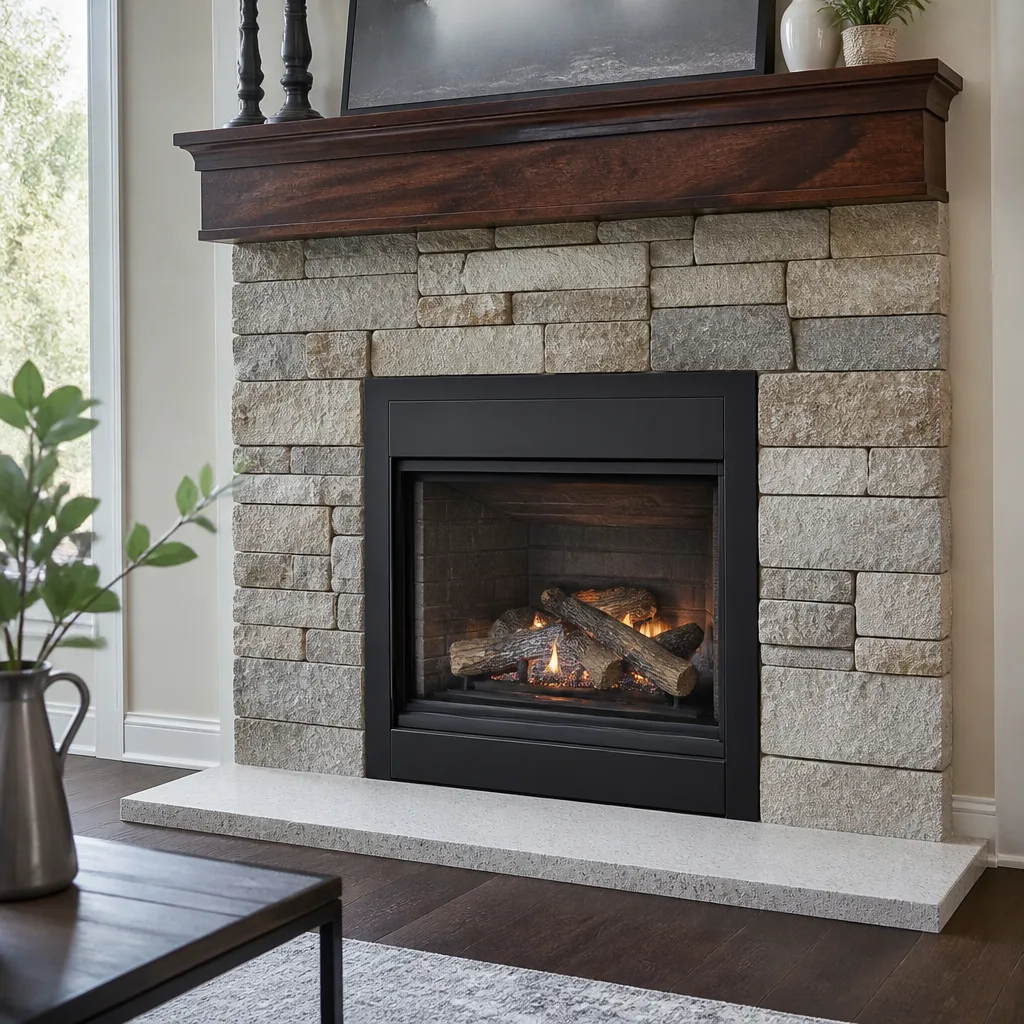 Gas fireplace service
Level 1 sweep and inspection to the NFPA 211 annual standard - flue, crown, cap, and flashing checked and photographed
Chimney sweep logs do not sweep chimneys. They loosen some creosote - which then falls where a brush and vacuum still have to collect it.
Chimney Cleaning Permits, Codes & Inspections in CA: What You Need to Know
Replacing a chimney liner without a permit in San Francisco isn’t just a code violation. It can void your homeowner’s insurance claim if a fire originates in the flue, because unpermitted work creates a coverage exclusion most policy holders don’t read until it’s too late. That’s the kind of detail that separates an expensive lesson from a routine maintenance decision. This guide unpacks what California actually requires for chimney work – which tasks are permit-exempt, which trigger inspections, and how Bernal Heights homeowners can navigate the overlapping rules without getting blindsided mid-project. For more guides & resources, visit our blog.
Styles & brands we work with
- Sweep & inspection
- Caps & crowns
- Flue relining
- Masonry repair
- Gas fireplace service
Quick Answer
Routine chimney sweeping and basic cap replacement do not require a permit anywhere in California. Liner replacement, firebox reconstruction, and new chase installation generally do – and in San Francisco, most liner work on pre-1940 structures (which covers the majority of Bernal Heights housing) requires Department of Building Inspection approval with specific documentation.
Table of Contents
- Which Chimney Tasks Are Permit-Exempt in California
- Which Chimney Work Requires a Building Permit
- San Francisco DBI Rules for Pre-1940 Structures
- How Title 24 Intersects with Damper Replacement and Flue Sealing
- NFPA 211: The Standard Inspectors Actually Reference
- Chimney Condition and California Real Estate Disclosure
- Level 1 vs. Level 2 vs. Level 3: What Gets Documented
- Bernal Heights-Specific Code and Market Realities
- Common Mistakes to Avoid
- When to Call a Professional
- Frequently Asked Questions
- The Bottom Line
Which Chimney Tasks Are Permit-Exempt in California
Chimney sweeping is classified as maintenance, not construction. No city or county in California requires a permit to have your flue cleaned, and that includes Bernal Heights. The California Building Code (CBC) treats sweeping the same way as changing an HVAC filter – it’s routine upkeep on an existing system. Even a Chimney Sweep in Bernal Heights performing a standard Level 1 inspection and cleaning is not triggering any municipal approval process.
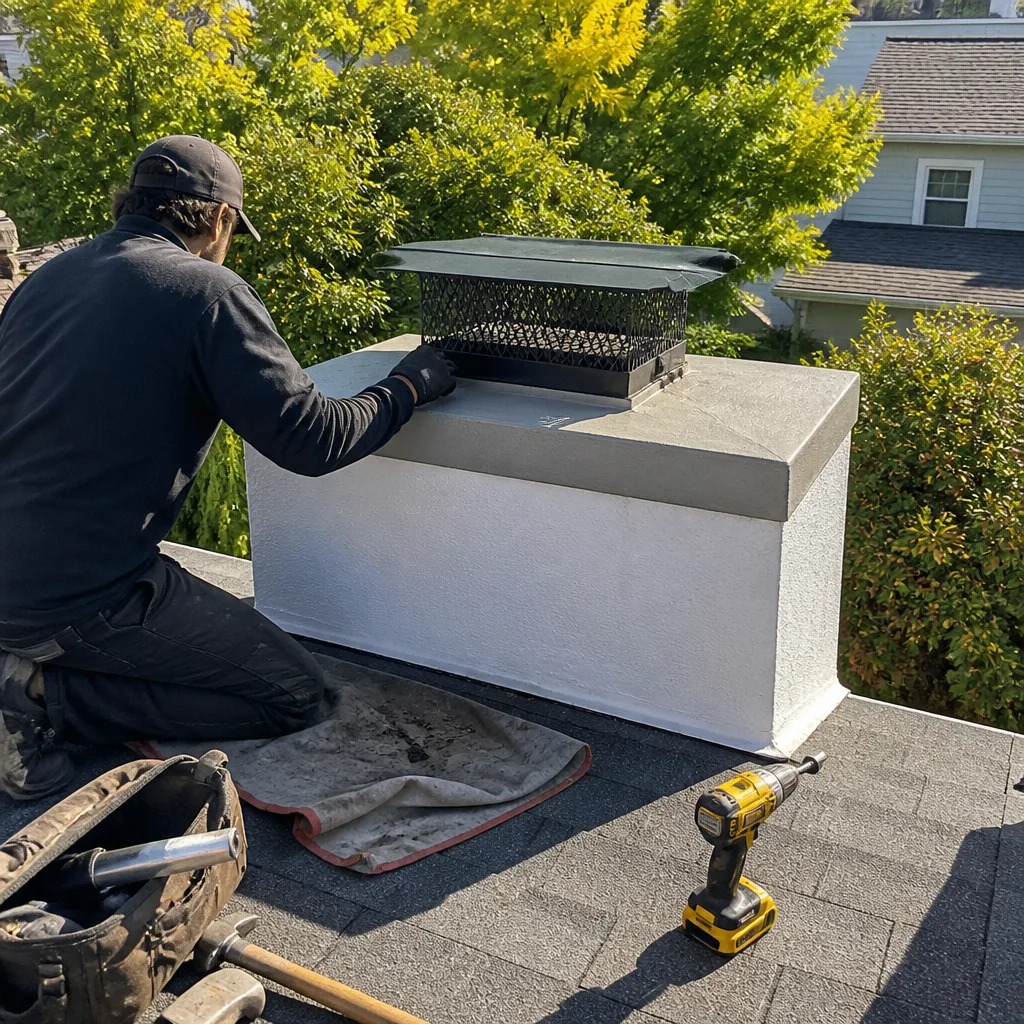
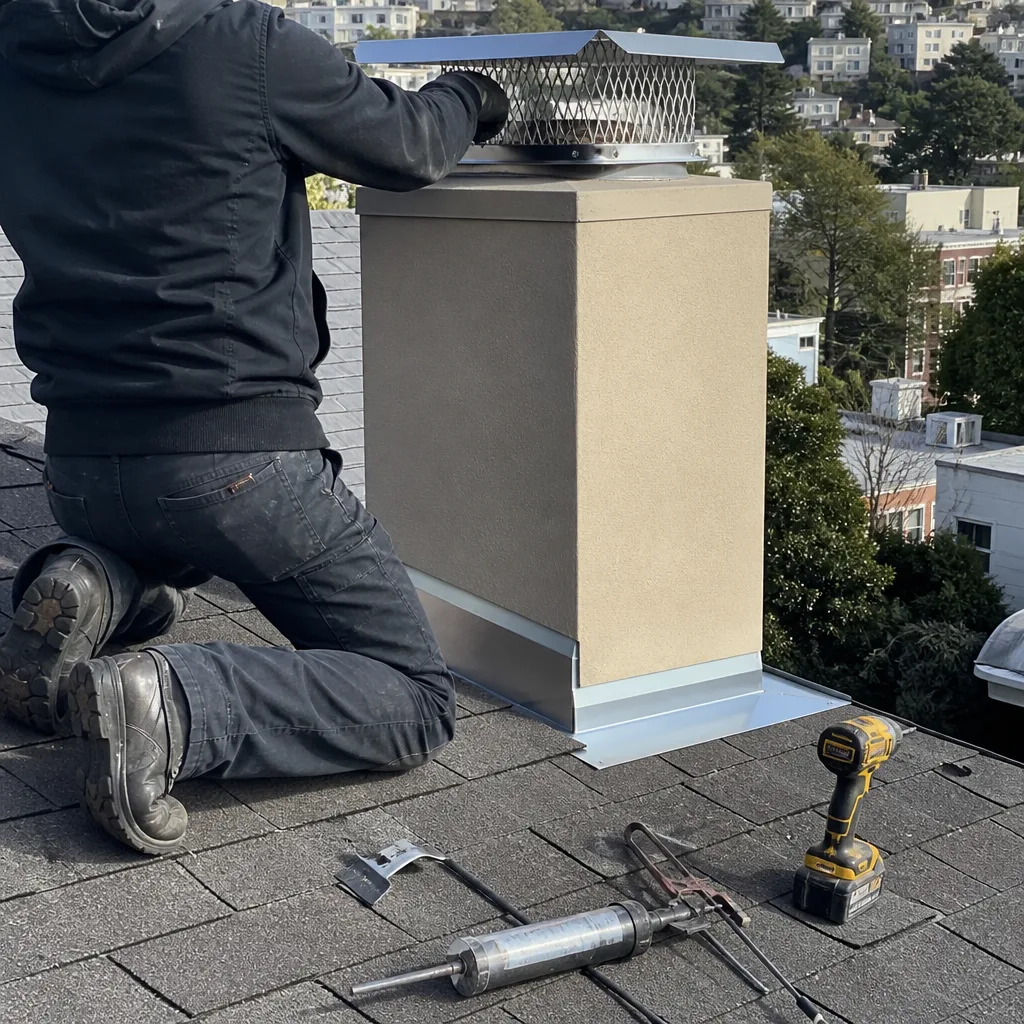
Cap replacement is the second big permit-exempt category. Swapping a damaged spark arrestor cap for a new one – whether a standard Famco model or a Gelco termination cap – is considered a repair of an existing component, not a modification. The flue dimensions haven’t changed. The chimney height hasn’t changed. The connection to the firebox hasn’t changed. You’re replacing worn hardware with equivalent hardware.
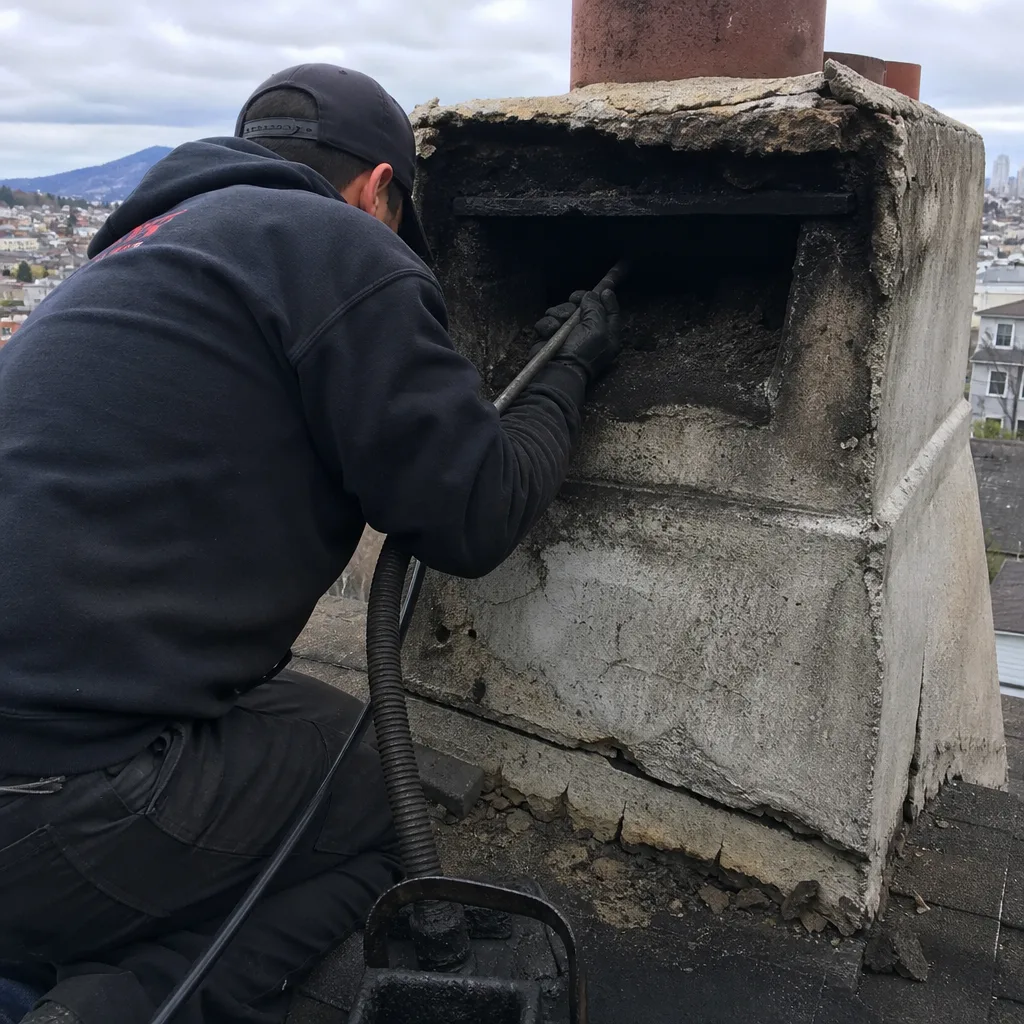
Basic masonry repair falls into a gray zone that’s actually clearer than most people assume. Tuckpointing, crown sealing, and replacing a few spalled bricks on the exterior stack? No permit required, as long as you’re not rebuilding more than a minor section of the structure. The DBI considers this level of work “ordinary repair” under the existing building’s original permit.
Here’s the key distinction: if the work doesn’t change the chimney’s dimensions, position, or connection to the structure, it’s probably permit-exempt. If it does, you’re in permit territory. The line is drawn at whether the fire safety envelope – the flue-to-firebox-to-cap relationship – gets altered.
Which Chimney Work Requires a Building Permit
Liner replacement is the big one. When we install a DuraFlex stainless steel liner in a Bernal Heights home, that’s a permit-triggering modification under both the CBC and San Francisco’s local amendments. The liner is the pressure boundary of the entire system. Replacing it changes the flue’s cross-sectional area, its thermal performance, and its clearance-to-combustibles profile. Building departments want to verify the new liner is sized correctly for the appliance it serves.
Firebox reconstruction requires a permit without exception. If the firebrick has deteriorated to the point where you’re rebuilding the inner combustion chamber, that’s structural work. The firebox directs heat away from surrounding framing. A poorly rebuilt firebox can transfer enough heat through the masonry to ignite studs inside the wall cavity. The DBI wants engineering documentation on materials and clearances before that work proceeds.
A new chase installation – building an enclosed chimney structure around a factory-built flue pipe – is new construction. It requires the same permit package as any structural addition: plans, calculations, and final inspection. This is not a job that sneaks under the radar, and in Bernal Heights, where homes sit close together, neighbors will notice the framing going up.
Here’s the practical breakdown:
- No permit: Sweeping, inspection, cap replacement, crown repair, tuckpointing, minor brick replacement
- Permit required: Liner replacement, firebox rebuild, chase construction, chimney height extension, relocation of any flue opening
- Case-by-case: Damper replacement (see Title 24 section below), smoke chamber parging, HeatShield resurfacing when it involves structural repair
San Francisco DBI Rules for Pre-1940 Structures
San Francisco’s Department of Building Inspection treats pre-1940 buildings differently, and for good reason. Most of Bernal Heights’ housing stock was built between 1890 and 1935. These homes have unreinforced masonry chimneys, often with original clay tile liners that were adequate for coal stoves but were never designed for modern wood-burning fireplace temperatures. The DBI knows this and applies additional scrutiny to any liner work on these structures.
When you pull a permit for liner replacement in a pre-1940 Bernal Heights home, expect the DBI to require documentation of the existing flue’s interior dimensions before approving new liner specs. In our experience, an inspector will often want to see camera inspection photos showing the flue’s current condition, evidence of any offset in the chase, and a written sizing calculation matching the liner to the existing opening. If the flue has an offset – common in the Victorian-era chimneys that run through Bernal’s steep hillside homes – the DBI will want confirmation that the proposed liner can navigate the bend without kinking. This is precisely where a flexible DuraFlex system, rather than a rigid pipe, becomes the functional requirement.
Pre-1940 structures also sometimes have unlined flues. If your Bernal Heights chimney was built with just brick and mortar – no clay tile at all – DBI will not approve a simple liner insertion. The flue must either receive a fully insulated liner system or be resurfaced using a product like HeatShield’s Cerfractory material. The building department wants to see a solution that restores the flue to a code-compliant interior surface, not just a pipe dropped into a crumbling chase.
The pre-1940 designation also affects inspection scheduling. DBI prioritizes these inspections differently, sometimes requiring a pre-liner inspection to document the existing condition before any work begins. Plan for that extra step.
How Title 24 Intersects with Damper Replacement and Flue Sealing
California’s Title 24 energy code is where chimney work and building efficiency collide, and it’s the least-understood rule among homeowners. Title 24, Part 6 requires that any new construction or alteration that affects building envelope performance meet specific airtightness and energy standards. A damper replacement – which sounds like pure maintenance – can trigger Title 24 compliance if the fireplace is considered part of the conditioned envelope.
Here’s the connection: a traditional throat damper, even when closed, leaks conditioned air up the flue year-round. Title 24’s air leakage provisions require that new or replacement dampers meet a maximum leakage threshold. If you’re replacing a damper in a Bernal Heights home, the replacement should be a top-sealing model or an inflatable balloon damper that creates a true seal at the flue top. A standard throat-mount damper from the hardware store won’t meet the standard. We specify Copperfield dampers for this reason – they’re engineered for the California market’s energy requirements and tested for the leakage rates Title 24 references.
Flue sealing follows the same logic. When a fireplace is decommissioned, or when a gas insert is connected to the existing flue, Title 24 requires that the connection be made airtight to prevent thermal bypass. This means a proper block-off plate at the damper level, not just a “sealed by inspection” note. The code’s language is performance-based: the finished assembly must pass a leakage test or demonstrate compliance through a listed assembly.
The practical takeaway for Bernal Heights homeowners: if your damper replacement involves more than a direct swap of identical components, check with a certified Title 24 consultant or a sweep who carries Title 24 documentation on their product line. The DBI will not proactively enforce Title 24 on a damper job, but if the work is part of a larger remodel that pulls permits, the energy inspector will flag it.
NFPA 211: The Standard Inspectors Actually Reference
When California building code is silent on a detail – and it is silent on many chimney specifics – inspectors reach for NFPA 211, the National Fire Protection Association’s Standard for Chimneys, Fireplaces, Vents, and Solid Fuel-Burning Appliances. This is the technical baseline that fills the gaps.
NFPA 211 specifies how often chimneys should be inspected: at least once annually for solid fuel appliances, with a Level 2 inspection required when the property changes hands, when the system is altered, or after a chimney fire. Homeowners should also watch for Chimney Cleaning Warning Signs: A Bernal Heights Homeowner’s Reference Guide to catch problems early. It defines acceptable clearances between the interior of a flue and combustible framing – 2 inches for interior chimneys, 1 inch for exterior. It sets minimum chimney height requirements: at least 3 feet above the roof penetration and 2 feet higher than any structure within 10 feet. In Bernal Heights, with its tightly packed rows of Victorian and Edwardian homes, that 2-foot clearance rule trips up a lot of homeowners when a neighbor’s addition rises above their chimney line.
NFPA 211 also governs when repairs must happen. The standard requires that a flue be repaired or relined when the existing liner has been penetrated by moisture, when the mortar joints between clay tiles have deteriorated more than 1/8 inch, or when a gap of more than 1 inch exists between the flue liner and the chimney walls. Those specific numbers are what an inspector will cite in a correction notice.
What most homeowners don’t know: NFPA 211 is referenced in California’s mechanical code by adoption, which means it carries the weight of law even though it’s published by a fire prevention association, not a government body. When a DBI inspector cites “flue clearance requirements,” they’re citing NFPA 211 through the CBC’s adoption mechanism.
Chimney Condition and California Real Estate Disclosure
California is a full-disclosure state, and the chimney is explicitly covered under the state’s Transfer Disclosure Statement (TDS) requirements. Sellers must disclose any known material defect affecting the chimney or fireplace, including past fires, prior liner repairs, water intrusion, or known code violations. Failure to disclose a known chimney defect is one of the most common bases for post-sale litigation in California real estate.
What actually documents a chimney’s condition at sale is a Level 2 inspection. Unlike a standard sweeping inspection, a Level 2 inspection includes camera documentation of the entire flue interior, which is the evidence that matters if a dispute arises. The report must note: the condition of the liner, the presence of any third-party deposits (creosote, soot, or animal nesting), any gaps or cracks in the flue, clearances to combustibles, and the condition of the crown and cap. A Level 2 inspection performed by a qualified chimney technician gives both buyer and seller a defensible record.
In Bernal Heights, where homes frequently change hands between long-term owners and new buyers unfamiliar with wood-burning maintenance, the Level 2 inspection has become a standard contingency item. Buyers request it. Sellers who have already commissioned one are in a better negotiating position. If the inspection reveals a deteriorated liner and the seller completed that liner replacement without a permit, the disclosure obligation doesn’t disappear – it shifts to the buyer, who now owns an unpermitted-improvement problem that will surface on their own eventual sale.
Level 1 vs. Level 2 vs. Level 3: What Gets Documented
The inspection levels are defined by NFPA 211 and are worth understanding because they determine what a technician can legally certify. Each level is triggered by different circumstances.
Level 1: This is the standard annual maintenance inspection. It covers the readily accessible portions of the chimney interior and exterior, the basic appliance connection, and the condition of the cap and crown. No special tools are required. A Level 1 is appropriate when the chimney has been in continuous service without any changes to the system, any performance problems, or any known events. In a Bernal Heights home where the fireplace is used every winter without incident, the Level 1 is the annual standard. Following a Chimney Sweep Maintenance Checklist for Bernal Heights Homeowners helps ensure nothing gets missed.
Level 2: This is triggered by a property transfer, a system alteration (new liner, new insert, new cap configuration), a chimney fire, a lightning strike, or an initial inspection of a new homeowner. The Level 2 includes everything in a Level 1 plus camera inspection of the entire flue interior, documentation of all clearances in attics and crawlspaces, and a written report with photographic evidence. This is the inspection required for a legal California real estate transaction involving a fireplace.
Level 3: This is the rare, invasive inspection. It’s triggered when a Level 1 or Level 2 reveals a serious hazard that requires access to concealed areas – removing portions of the chimney crown, interior wall surfaces, or the chimney structure itself to assess damage. Level 3 inspections sometimes require demolition and are typically coordinated with a structural engineer. In Bernal Heights, we see Level 3 situations arise after chimney fires that have compromised the masonry from inside.
Here’s what to request, in order:
- Annual maintenance: Level 1 by a certified sweep, performed before burning season
- Buying or selling: Level 2 with full camera documentation, including digital files
- After any event: Level 2 minimum (fire, lightning, structural impact)
- When hazards are concealed: Level 3 with a structural engineer involved
Bernal Heights-Specific Code and Market Realities
Bernal Heights has a specific set of conditions that shape how chimney codes play out here. The neighborhood’s housing stock is overwhelmingly pre-1940, which means the DBI’s pre-1940 scrutiny applies to nearly every job. The hillside lots and steep streets mean many chimneys have offsets that complicate liner installation. The dense rows of attached and semi-attached homes mean that a chimney fire in one house is a shared-wall event – and the building department treats those inspections with heightened urgency.
We’ve seen Bernal Heights chimneys that have survived three or four seismic events without a masonry inspection. The 1989 Loma Prieta earthquake damaged thousands of chimneys across the city, and not all were repaired to current standards. A chimney that shifted in 1989 and was “fine” for thirty years may now have a cracked flue liner that a camera inspection will catch in two minutes. This is why we push Level 2 inspections for any Bernal Heights homeowner who’s never pulled a camera report on their flue.
The neighborhood’s microclimate also matters. Bernal Heights sits above the fog line more often than the Mission or Noe Valley, which means chimneys here see more sun exposure and wider temperature swings. Crown cracks from thermal cycling are common. A cracked crown lets water into the flue system, which accelerates liner deterioration – the exact condition that triggers DBI repair requirements. The practical sequence we see in this neighborhood is: crown crack, water intrusion, deteriorated mortar joints, code-required repair, permit pulled.
For a full-scope view of what’s involved in maintaining a Bernal Heights chimney, start with the Chimney Sweep Bernal Heights home page or see what a Chimney Repair in Bernal Heights typically involves. And since the house exhaust system doesn’t end at the fireplace, a Dryer Vent Cleaning in Bernal Heights is the other half of full ventilation safety.
Common Mistakes to Avoid
- Assuming all chimney work is permit-exempt. Sweeping and cap replacement don’t need permits, but liner replacement and firebox work do. In San Francisco, unpermitted liner work in a pre-1940 Bernal Heights home creates an insurance exclusion risk that most homeowners only discover after a fire.
- Replacing a throat damper with an off-the-shelf model. Title 24’s air leakage requirements make most hardware-store dampers non-compliant when the fireplace is part of the conditioned envelope. Use a top-sealing unit designed for California energy code compliance.
- Skipping the camera inspection before a real estate transaction. A standard Level 1 sweep will not satisfy the disclosure requirements for a legal sale in California. Buyers and sellers both need the Level 2 camera documentation.
- Waiting to address a cracked crown because “the fireplace still works.” Crown damage is the entry point for water that deteriorates the liner from inside. By the time the fireplace stops working correctly, the repair has moved into permit territory.
- Assuming the DBI won’t find out about unpermitted liner work. San Francisco inspectors cross-reference real estate disclosures, insurance claims, and neighbor complaints. An unpermitted liner will surface at the worst possible moment – typically mid-transaction or mid-claim.
- Ignoring the dryer vent when addressing home exhaust safety. Many Bernal Heights homeowners focus entirely on the fireplace flue and never think about the dryer exhaust, which causes thousands of residential fires nationally each year. Full ventilation safety means both systems.
- Using non-listed replacement parts on an existing chimney system. The CBC and NFPA 211 require that replacement components match the listing of the existing system. A generic cap or unlisted liner section creates a code violation even if the work itself was permit-exempt.
When to Call a Professional
If you’re in Bernal Heights and your chimney has not had a camera inspection in the last five years, call for a Level 2 inspection before burning season starts. The specific triggers: you’ve bought a home and have never seen the flue interior, you’ve experienced a chimney fire or near-miss, you’ve seen water staining on interior walls near the chimney, or you’re planning any renovation that touches the fireplace. Code compliance issues are almost never visible from the exterior. The liners we inspect and replace – including DuraFlex systems in offset flues – are evaluated by camera first, and the camera evidence is what drives every recommendation. Chimney Sweep Bernal Heights offers free estimates in Bernal Heights – call (844) 745-4668.
Frequently Asked Questions
A standard chimney sweep and Level 1 inspection in Bernal Heights typically runs between $180 and $300, depending on flue height and creosote buildup. A Level 2 inspection with camera documentation, which is what real estate transactions require, runs higher – generally $350 to $500. Call (844) 745-4668 for an exact quote. Estimates are free.
Yes, for most pre-1940 Bernal Heights homes, liner replacement requires a DBI permit. The building department treats liner work as a structural modification because it changes the flue’s fire safety profile. Unpermitted liner work creates both a code violation and a potential insurance coverage exclusion.
NFPA 211 requires annual inspection of chimneys serving solid fuel appliances, and sweeping whenever creosote accumulation reaches 1/8 inch or more. For a wood-burning fireplace used regularly through the winter, that generally means an annual or bi-annual sweep. Homes that burn only occasionally may go longer between cleanings, but the annual inspection requirement stands.
Creosote accumulates on the flue interior and becomes a fuel source. A chimney fire burns at temperatures that crack clay tile liners, deform metal liners, and can transfer heat to adjacent framing in minutes. In Bernal Heights’s dense attached housing, that risk is not confined to your own structure. The inspection is cheaper than the repair, and the repair is cheaper than the fire.
Dryer vent fires are a leading cause of residential fires, and the vent system operates on the same principle as a chimney: exhaust gases and lint must move through a confined passage that degrades over time. A clogged dryer vent in a Bernal Heights home with a long horizontal run is a real fire hazard. The same crew that sweeps the chimney can clean the dryer vent in one visit.
A Level 2 inspection includes a full camera scan of the flue interior, documentation of clearances to combustibles in attics and crawlspaces, and a written report with photographic evidence. A Level 1 is visual inspection of accessible surfaces only. For a real estate transaction in California, only the Level 2 satisfies the disclosure standard.
The Bottom Line
California’s chimney rules aren’t mysterious once you understand the layering: the CBC covers construction, Title 24 covers energy performance, NFPA 211 covers the technical fire-safety details, and San Francisco’s DBI adds extra scrutiny for the pre-1940 housing that defines Bernal Heights. Cleaning is maintenance, liner work is construction, and the camera inspection is the evidence that keeps every other decision honest. Whatever your chimney needs – from annual sweeping to full liner replacement with HeatShield resurfacing or a DuraFlex system – the work should be done with materials that meet code, not commodity substitutes. If you’re troubleshooting issues yourself first, see our Chimney Sweep Troubleshooting: Common Problems and How to Fix Them. Call (844) 745-4668 to schedule an inspection and get a straight assessment of where your system stands.
Written by the team at Chimney Sweep Bernal Heights, serving Bernal Heights since 2016.
See the difference
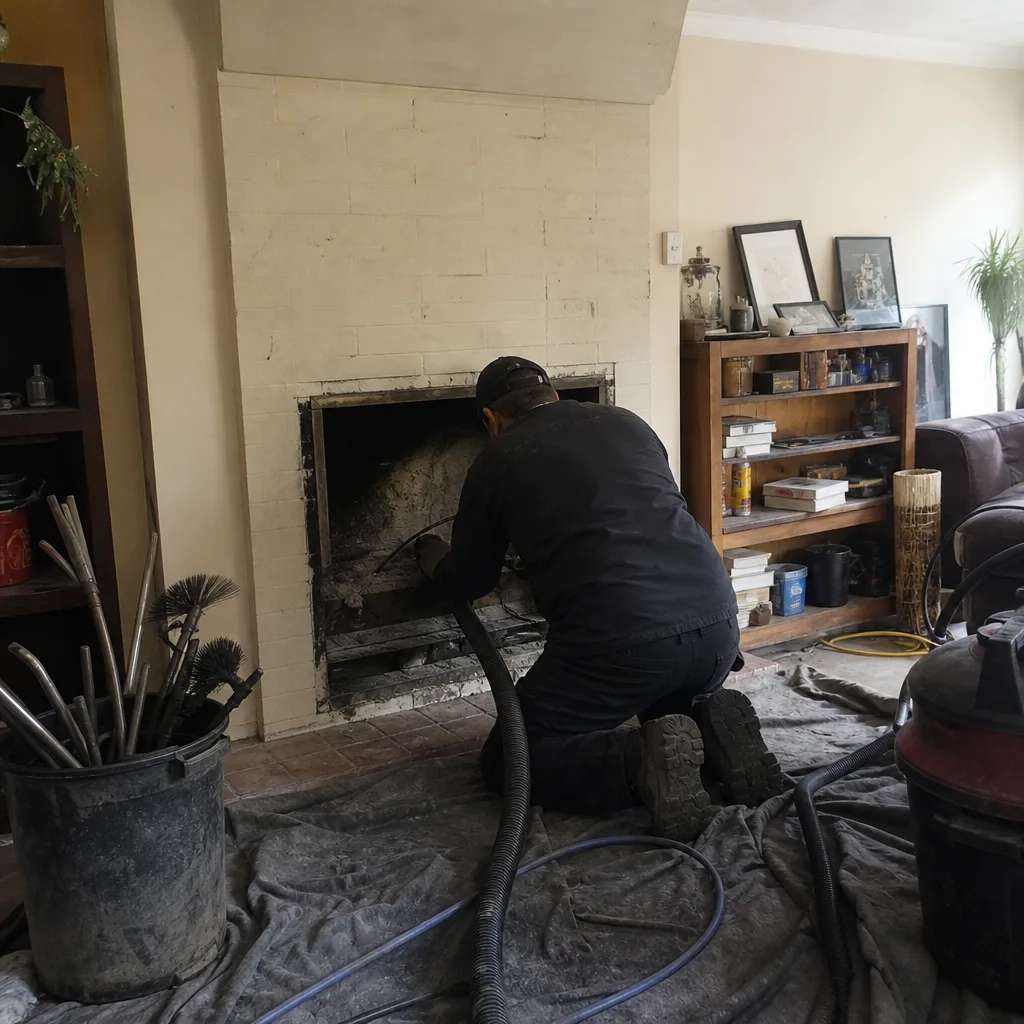 Before
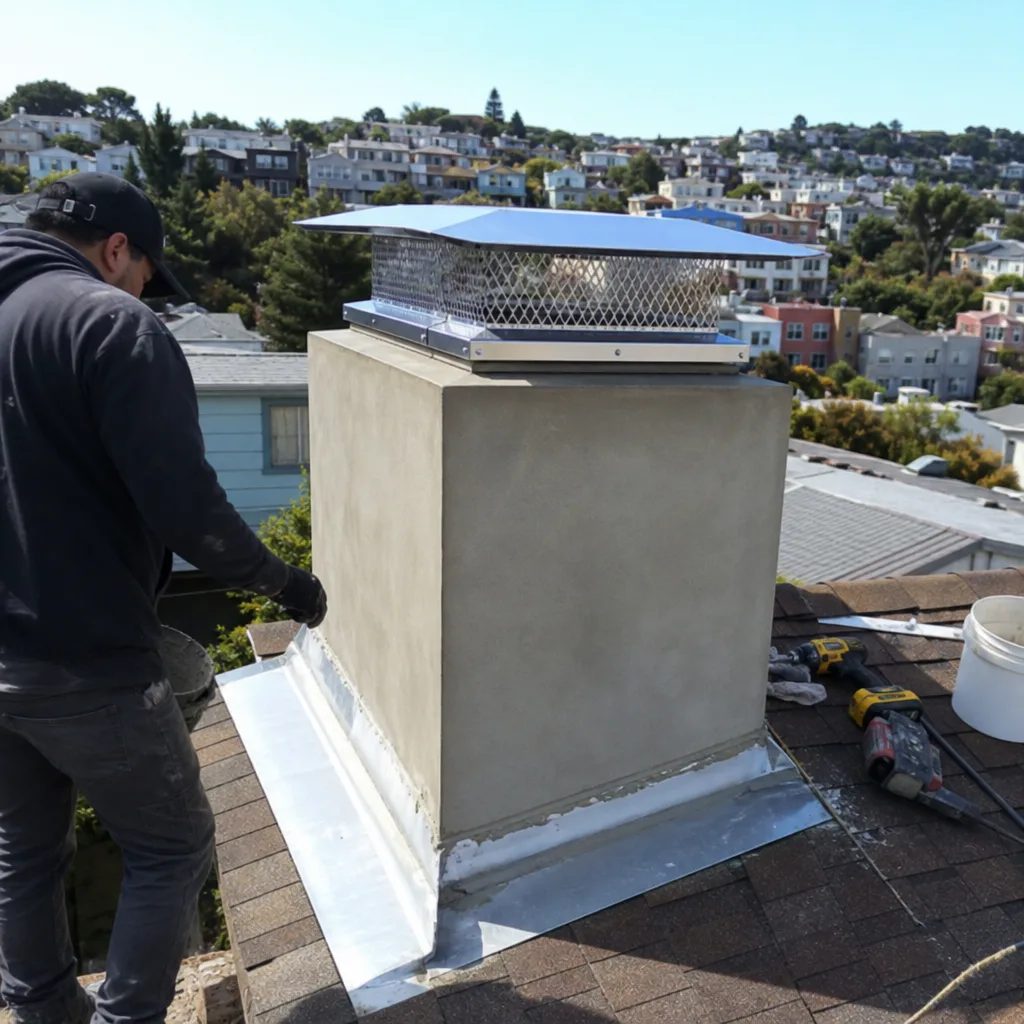 After
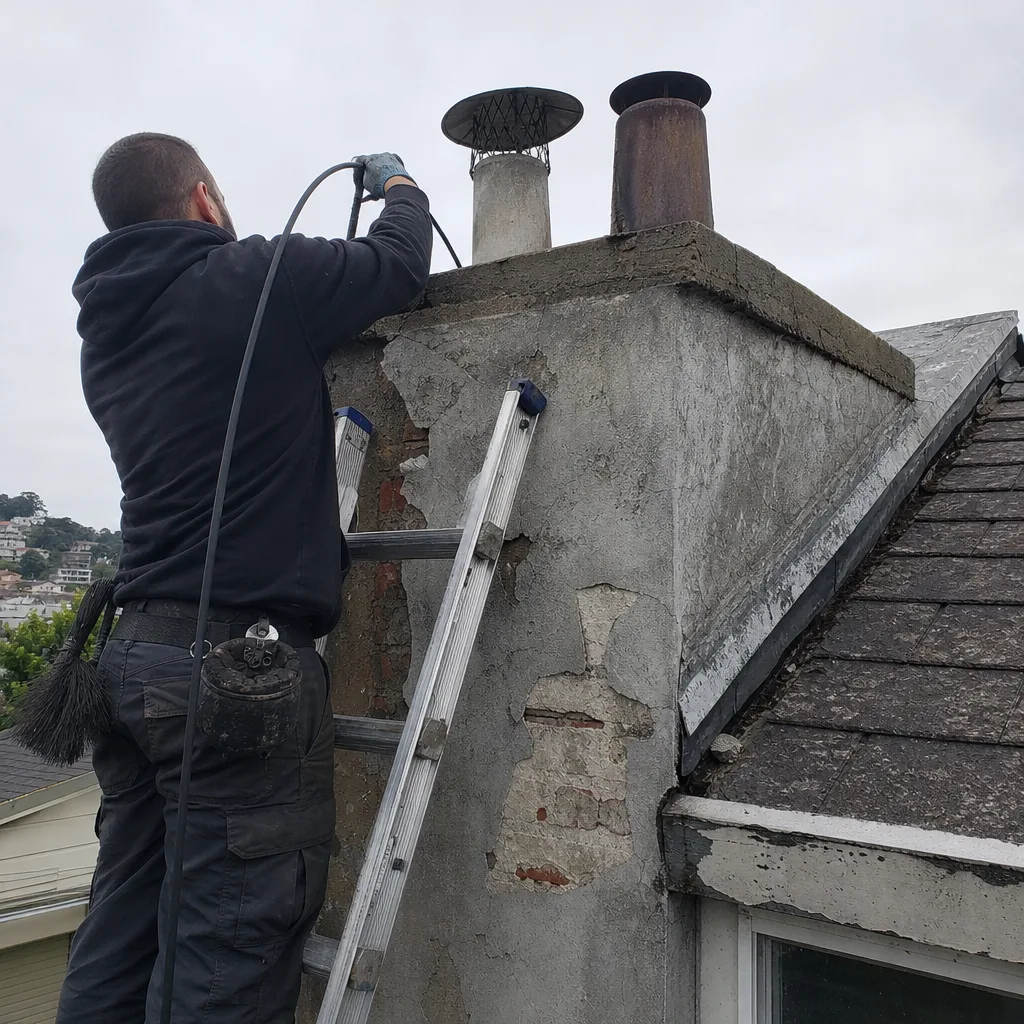 Before
 After
 Before
 After