
Last updated November 2, 2026
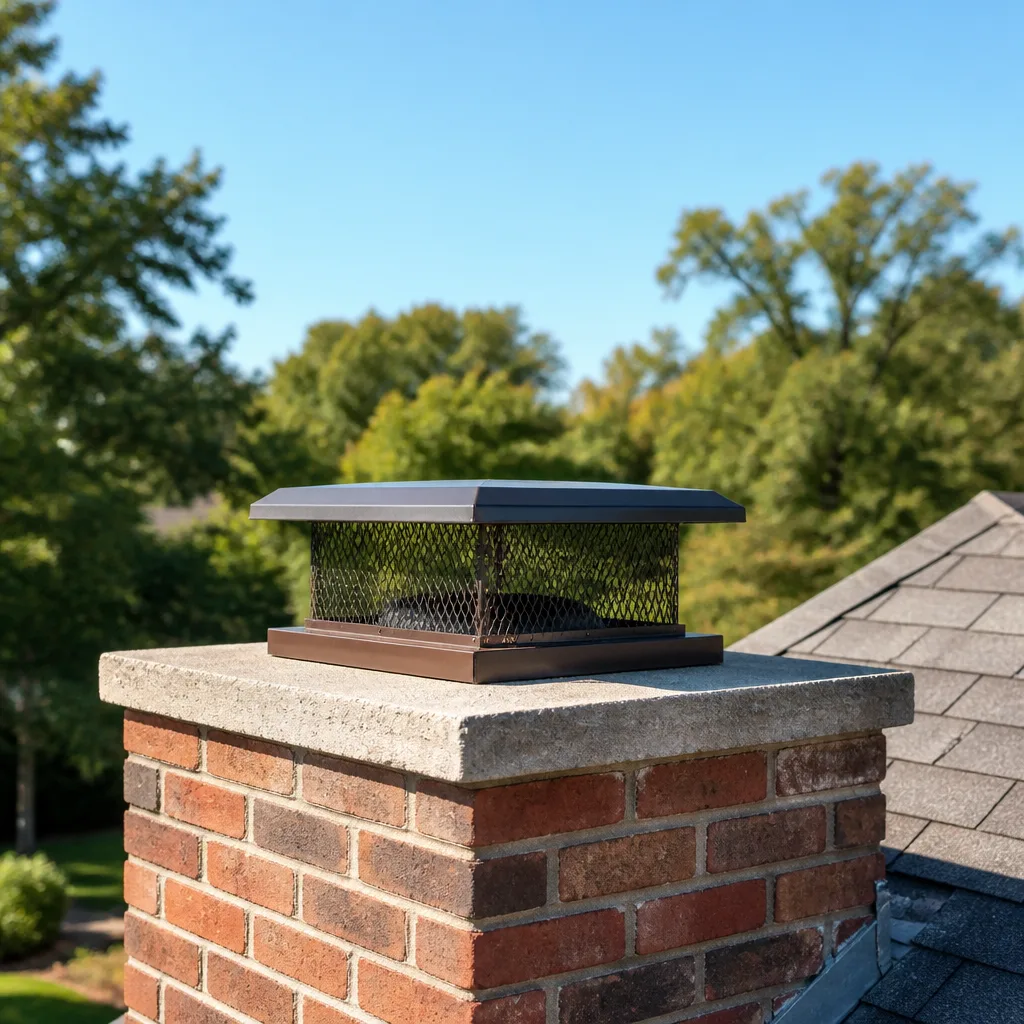 Sweep & inspection
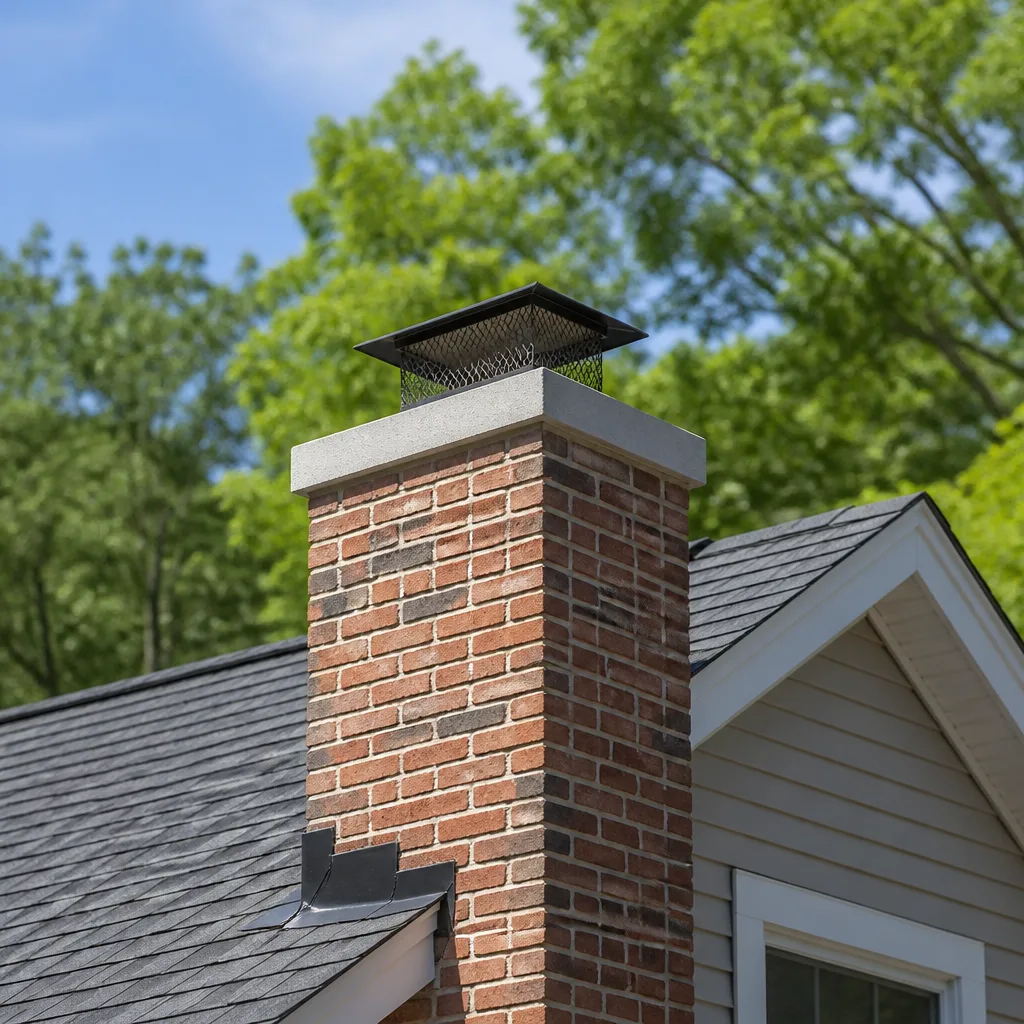 Caps & crowns
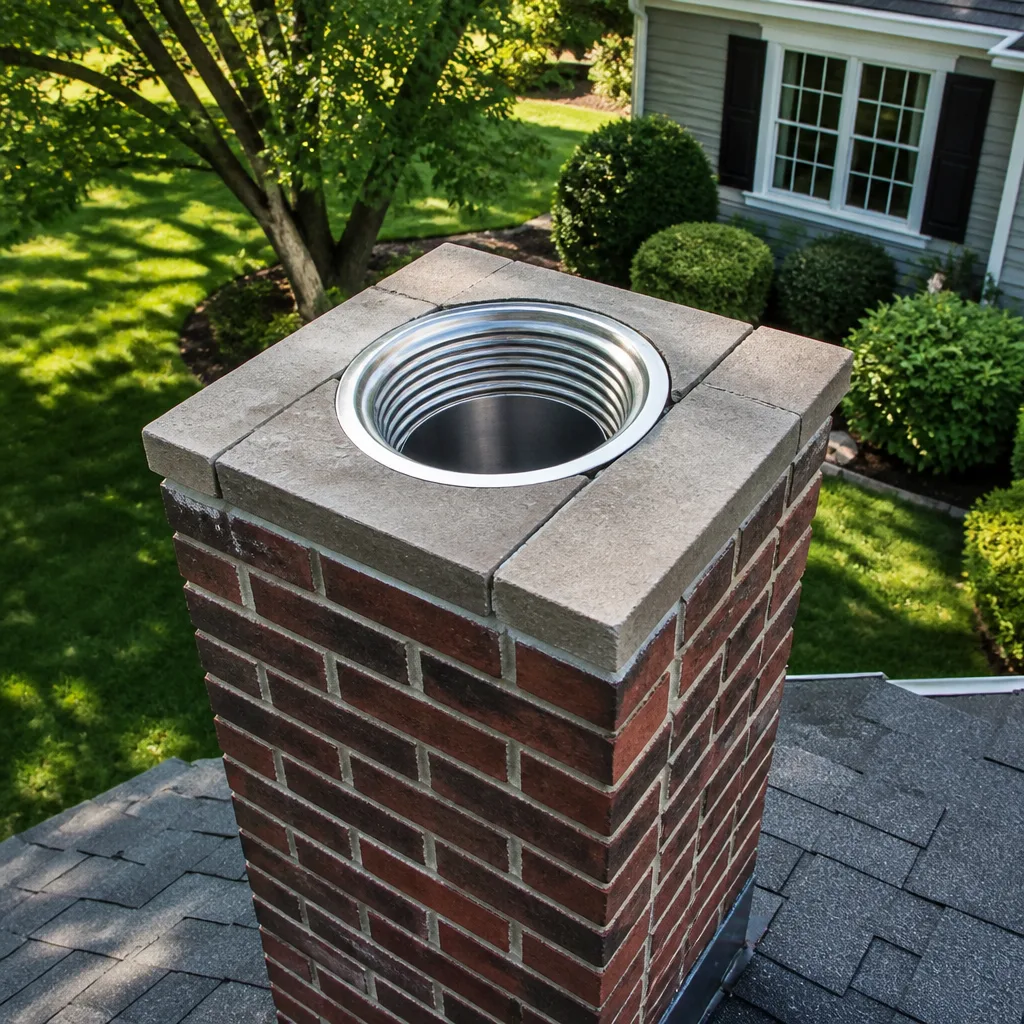 Flue relining
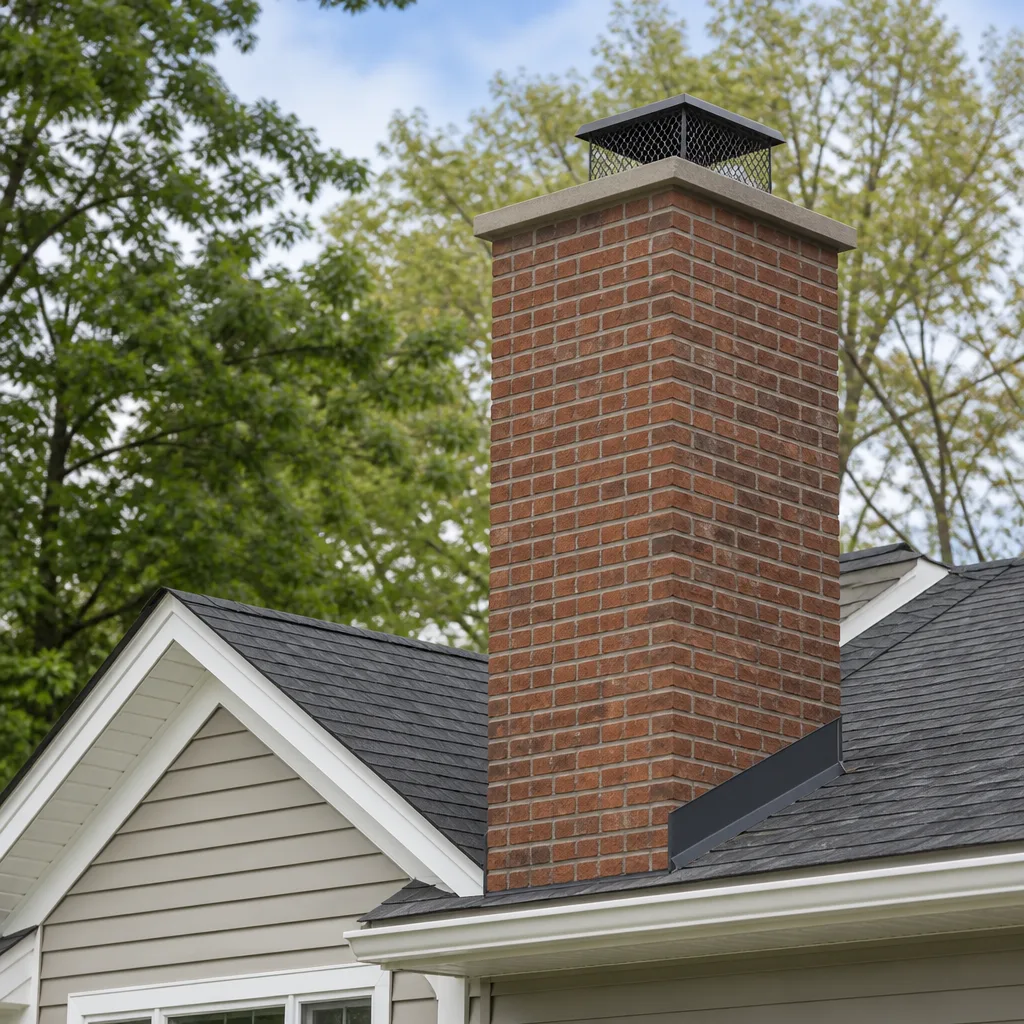 Masonry repair
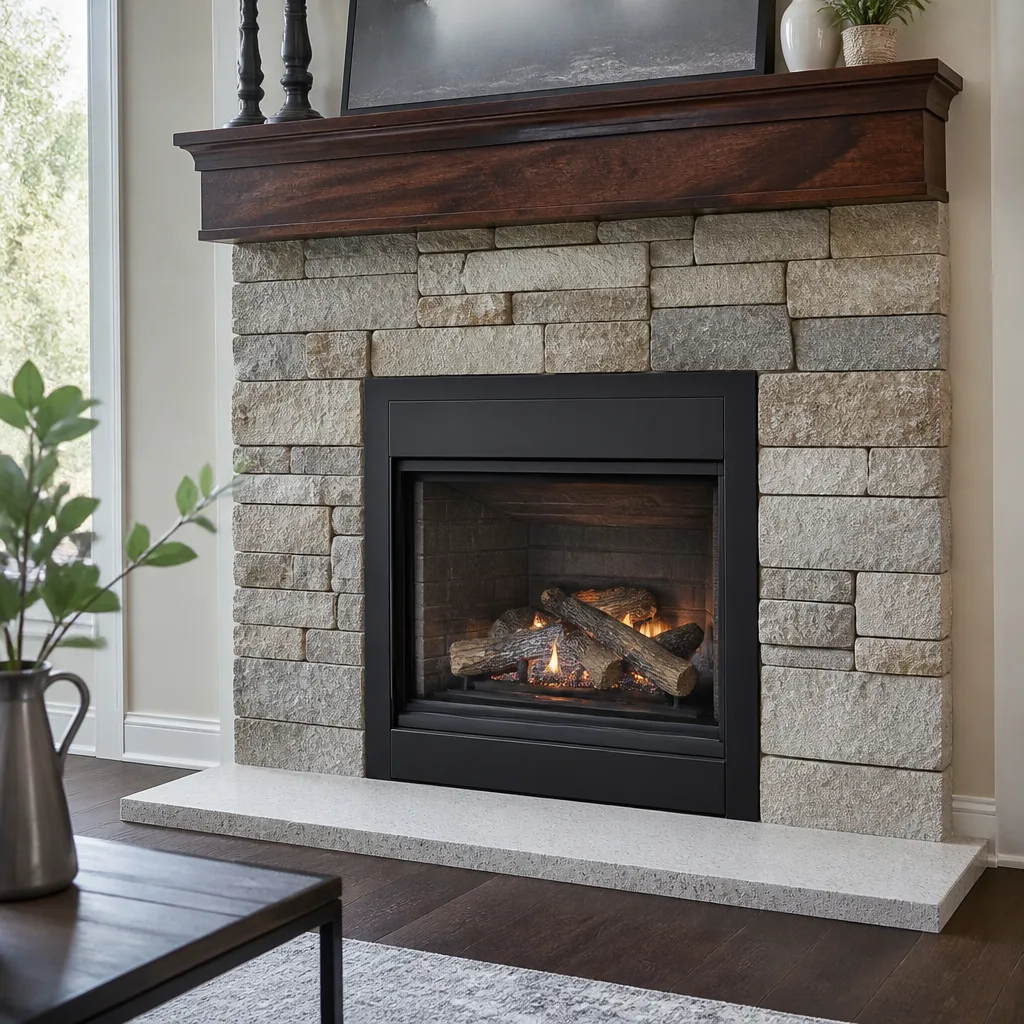 Gas fireplace service
Level 1 sweep and inspection to the NFPA 211 annual standard - flue, crown, cap, and flashing checked and photographed
Chimney sweep logs do not sweep chimneys. They loosen some creosote - which then falls where a brush and vacuum still have to collect it.
DIY vs Professional Chimney Cleaning: The Bernal Heights Homeowner’s Decision Guide
Here’s the number most Bernal Heights homeowners don’t know: chimney fires account for roughly 25,000 residential fires in the United States every year, and a large share of those start in chimneys the homeowner believed were clean. You can absolutely brush your own chimney flue. The rods and brushes cost about $80 at any hearth retailer, and for light soot, they work. What you can’t do with that $80 kit is identify stage-two glazed creosote, measure draft velocity, or see a hairline crack in a tile liner with a flashlight. Those are the things that actually cause chimney fires. This guide – along with our step-by-step guide on hiring a chimney cleaning contractor in Bernal Heights – draws the line between what a careful homeowner can legitimately do themselves and where professional tools and training become non-negotiable. We’ll cover equipment gaps, insurance liability, appliance-specific risks, and why Bernal Heights’ older housing stock changes the math.
Quick Answer
DIY chimney cleaning is appropriate when you have a straight, modern flue, you burn dry seasoned wood, your last professional inspection was within 12 months and found no issues, and you’re removing light stage-one soot from accessible sections. Professional cleaning becomes non-negotiable when you have a wood-burning insert, an older home with unknown liner material, any evidence of glazed creosote, an offset or non-standard flue configuration, or you haven’t had a camera inspection in over two years. In Bernal Heights specifically, where much of the housing stock predates 1960 and many flues have unknown liner histories, professional evaluation is the safer default – see our seasonal chimney cleaning care guide for Bernal Heights for a year-round maintenance schedule.
Styles & brands we work with
- Sweep & inspection
- Caps & crowns
- Flue relining
- Masonry repair
- Gas fireplace service
Table of Contents
- What DIY Chimney Cleaning Actually Accomplishes
- The Equipment Gap: What Professionals Use That You Can’t Buy
- Creosote Classification: The Hidden Variable
- Where DIY Creates Real Liability
- Three Scenarios Where DIY is Genuinely Appropriate
- Four Scenarios Where DIY is Genuinely Unsafe
- The Bernal Heights Factor: Old Houses, Unknown Flues
- The DIY Tools: What a Homeowner Can Realistically Assemble
- Common Mistakes to Avoid
- When to Call a Professional
- Frequently Asked Questions
- The Bottom Line
What DIY Chimney Cleaning Actually Accomplishes
Let’s be precise about what a chimney brush on a rod does. It removes loose soot and light stage-one creosote from the flue sections you can physically reach. If you have a straight flue that runs from the firebox to the cap without bends, and you’re using the right diameter brush, you can mechanically dislodge the powdery, dusty residue that accumulates from burning dry wood. That’s real work. It reduces the fuel load inside the flue and makes the system safer than it was before you started.
What DIY cleaning does not do is equally important. It cannot identify creosote that has hardened into a glaze. It cannot measure whether your draft is within safe parameters. It cannot inspect the flue lining for cracks, gaps, or spalling. It cannot document the condition of the chimney crown, the flashing, or the mortar joints above the roofline. And it cannot assess whether the previous sweep actually addressed the full length of the flue or left a section untouched because a connector was obstructing access.
In our experience in Bernal Heights, we regularly see chimneys where a homeowner faithfully brushed the accessible portion every year, only to discover during a camera inspection that the upper 8 feet of flue, behind a slight offset, carried a quarter inch of glazed creosote that had never been touched. The homeowner did the work. It just wasn’t the work that needed doing. That’s the core distinction this guide draws: DIY cleaning addresses what you can see. Professional evaluation addresses what you can’t.
The Equipment Gap: What Professionals Use That You Can’t Buy
The single biggest difference between a DIY sweep and a professional Chimney Sweep in Bernal Heights visit isn’t skill. It’s equipment. And the equipment gap isn’t about convenience. It’s about diagnostic capacity. Here’s what a professional service brings that a homeowner physically cannot replicate with retail tools.
First, rotary power cleaning systems. Professional sweeps use motor-driven whip heads and chain knockers that spin at high RPM against the flue walls. These systems remove stage-two creosote, the flaky, tar-like deposits that a hand brush simply polishes. A hand brush skates over glazed creosote. A rotary system chips it away. For a homeowner with stage-two buildup, which is common in Bernal Heights fireplaces that see heavy seasonal use, DIY brushing creates a false sense of completion.
Second, closed-circuit camera inspection. This is the big one. A professional camera scope runs the full length of the flue and records what it sees. That means you get visual evidence of liner condition, mortar joint integrity, creosote classification, and any obstructions. A homeowner with a flashlight and a mirror can see maybe the first 3 feet of flue from the firebox. The other 20 feet is a mystery. For older Bernal Heights homes with unknown liner histories, that mystery is where the risk lives.
Third, creosote classification tools and draft measurement equipment. These aren’t retail items. A draft gauge tells us whether the chimney is pulling air at a safe rate. An under-drafting chimney pushes carbon monoxide back into the living space. An over-drafting chimney burns inefficiently and accelerates creosote formation. Neither condition is detectable without a gauge.
None of this equipment is exotic. But none of it is available at a hearth retailer, and none of it can be improvised. The gap between a brush and a rotary system with camera verification is the gap between cleaning what you can reach and knowing what you actually have.
Creosote Classification: The Hidden Variable
Creosote isn’t one substance. It exists in three distinct stages, and the stage you’re dealing with determines whether DIY cleaning is safe, pointless, or actively dangerous. The National Fire Protection Association standard 211, which is the reference document for chimney safety, defines these stages by physical characteristics.
Stage One is a fine, flaky, powdery dust that brushes off easily. It forms from efficient, hot fires with dry wood. A poly brush on a rod handles stage-one creosote effectively. This is the only creosote type that DIY cleaning can genuinely address.
Stage Two is the problem stage for DIY. It looks like shiny black flakes, often described as cornflakes or tar chips. It has hardened and adhered to the flue wall. A hand brush will not remove stage-two creosote. It will slide over it, leaving a smooth, polished surface that looks clean but carries the same fire risk it did before you started. Removing stage-two creosote requires rotary power cleaning or chemical treatment followed by mechanical removal.
Stage Three is glazed creosote, a hard, shiny, tar-like coating that resembles black glass. It forms when stage-two deposits are repeatedly heated and compressed. It’s highly concentrated fuel. It cannot be removed by brushing at all, even with professional rotary systems in some cases. Stage-three glazed creosote often requires chemical treatments, and in severe cases, liner replacement or resurfacing.
Here’s the practical takeaway. You cannot reliably identify creosote stage by looking up your flue with a flashlight. Stage one and stage two look similar to an untrained eye at a distance. But the distinction matters enormously. In Bernal Heights, where many homeowners burn wood as a primary heat source during foggy months and shoulder seasons, we frequently encounter stage-two buildup in chimneys the owner believed were well maintained. The issue isn’t neglect. It’s that the buildup happened between cleanings and the homeowner had no way to classify it.
If you’re not sure what stage you’re dealing with, you’re not ready to clean it yourself. That’s not gatekeeping. That’s acknowledging that the diagnostic step is the one that requires training and tools.
Where DIY Creates Real Liability
This section is uncomfortable. It’s also the information most DIY guides skip. Here’s the reality of homeowners insurance and chimney fires. If a chimney fire occurs after a self-performed cleaning, the insurance adjuster will examine whether a professional inspection was conducted and documented. That’s standard practice.
The logic is straightforward. Insurance policies require homeowners to maintain their properties in a way that prevents foreseeable damage. A professional chimney inspection generates documentation, a dated record showing the system was evaluated by a qualified party. A DIY cleaning generates nothing. If a fire occurs and the homeowner says, “I clean it myself,” the adjuster’s next question is inevitably, “When was the last time a professional looked at it?” If the answer is “never” or “six years ago,” the claim gets complicated.
This isn’t about insurance companies being unreasonable. It’s about the nature of the risk. A chimney fire is not an unpredictable weather event. It’s a maintenance-related failure. The insurance industry has decades of data showing that professional inspection and cleaning reduces chimney fire rates. They price that data into their claims process.
There’s a second liability angle in Bernal Heights specifically. The neighborhood’s housing stock is dense. A chimney fire in a Bernal Heights home doesn’t just threaten that home. It threatens the homes on either side, often within 10 to 15 feet. Older wooden Victorians and Edwardians with shared walls or narrow setbacks create a cascading risk. If a fire spreads from your chimney to a neighbor’s house, and a post-fire investigation determines the chimney lacked professional inspection, the liability exposure extends beyond your own property. The neighbor’s insurer may pursue subrogation against you.
Professional inspection creates a record. That record is protection. It’s not just about fire prevention. It’s about legal and financial protection if something goes wrong despite your best efforts.
Three Scenarios Where DIY is Genuinely Appropriate
This guide is not anti-DIY. There are situations where cleaning your own chimney is reasonable, safe, and economically sensible. Here are the three specific scenarios.
- You have a documented, straight, modern flue. Your home was built after 1990, you know from a previous professional inspection that the flue runs straight from firebox to cap with no offsets, and you have a proper stainless steel liner of known diameter. You can confirm the flue dimensions and the brush size matches. In this scenario, a homeowner with a poly brush and rods can effectively remove stage-one soot from the full flue length.
- Your last professional inspection was within 12 months and found no issues. This is the key qualifier. You have a written or photographic record from a qualified sweep showing the liner is intact, the crown is sound, the cap is in place, and the creosote level was stage one. A year later, burning only dry seasoned wood, a DIY brush-out is a reasonable maintenance step between professional evaluations. You’re not replacing professional assessment. You’re supplementing it.
- You burn dry seasoned hardwood exclusively and use the fireplace infrequently. Occasional use with properly dried wood produces minimal creosote. Low fuel load plus low frequency equals low risk. A homeowner in this situation can manage an annual or biannual brush-out with basic tools, provided the first two conditions are also met.
Notice what all three scenarios share: they require knowledge that only comes from a previous professional inspection. DIY cleaning is never a starting point. It’s a maintenance step that follows a professional baseline assessment. That’s the principle that keeps DIY safe.
Four Scenarios Where DIY is Genuinely Unsafe
The flip side of the coin. These are the scenarios where DIY cleaning is not just ineffective. It’s dangerous.
- You have a wood-burning insert or stove with a connector pipe. Insert systems have complex geometry, including the connector between the appliance and the flue, and often a block-off plate at the damper area. These systems require the appliance to be disconnected or the connector removed for proper cleaning. Homeowners attempting DIY insert cleaning frequently reassemble components incorrectly, creating draft problems or, worse, allowing combustion gases to leak into the living space. This is a professional job, full stop.
- Your home was built before 1960 and you have no record of liner installation or condition. Bernal Heights has a large inventory of pre-war and mid-century homes. Many of these homes have original masonry flues with clay tile liners of unknown condition. Some have no liner at all, which was code-compliant at the time of construction but is not safe by modern standards. Without a camera inspection, you don’t know what you’re brushing. You could be dislodging loose tile material, obscuring a cracked flue, or simply cleaning a system that needs replacement, not maintenance.
- You notice, or suspect, glazed creosote. If you see a shiny, tar-like substance on the flue wall, or you hear a hard, glassy surface when you tap the brush against the chimney interior, stop. Glazed creosote requires professional treatment. DIY attempts will not remove it and may create a false sense of safety. Worse, aggressive DIY effort can damage a fragile liner by driving a brush against a hardened surface.
- Your chimney has not been professionally inspected in over two years. The gap in inspection is itself a disqualifier for DIY. Two years is enough time for liner deterioration, crown failure, animal nesting, or creosote accumulation beyond DIY capacity. If you don’t know the current state of the system, you don’t know whether DIY is appropriate. The first move is an inspection, not a brush.
In all four scenarios, the common thread is missing information. DIY cleaning without current, accurate information about your flue is guesswork. And guesswork with fire-containing structures is a bad bet.
The Bernal Heights Factor: Old Houses, Unknown Flues
Bernal Heights changes the DIY calculus in specific ways. The neighborhood’s housing stock skews old. A significant share of homes in Bernal Heights were built between 1900 and 1960, with a wave of post-earthquake construction in the 1910s and 1920s and another surge in the 1950s. That means four things for chimney maintenance.
First, non-standard flue dimensions. Many pre-war Bernal Heights chimneys were built to accommodate coal-burning fireplaces, not modern wood-burning appliances. Flue dimensions vary. A homeowner purchasing a standard brush at a retailer may find it’s the wrong size for their flue, leading to incomplete cleaning or, conversely, a brush that’s too large and scrapes the liner.
Second, unknown liner materials. Many older Bernal Heights homes have original clay tile liners that have never been replaced. Clay tile is durable but susceptible to cracking from thermal stress, especially in exterior chimneys exposed to Bernal Heights’ damp, foggy climate. A cracked liner is a fire hazard and a carbon monoxide risk. It’s also invisible without a camera. If you don’t know your liner material and condition, DIY cleaning is operating blind.
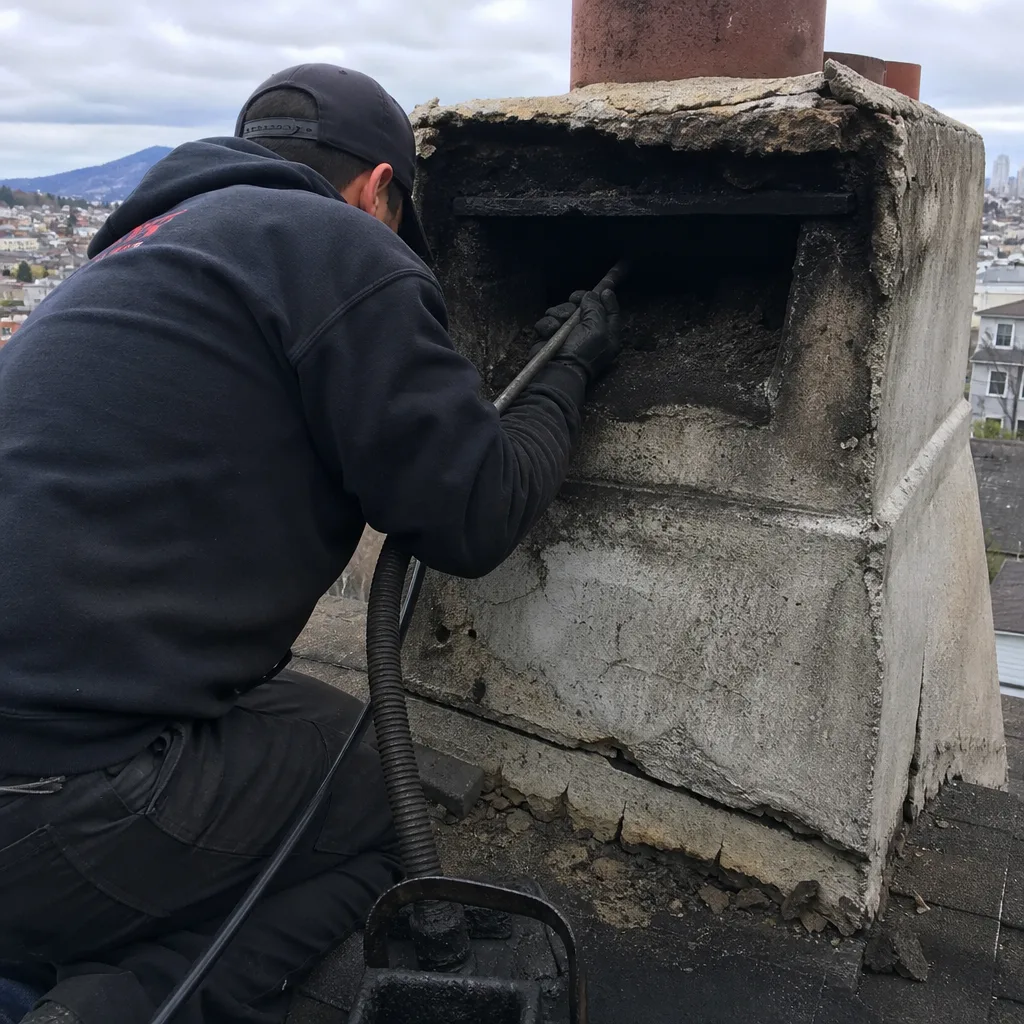
Third, exterior chimney moisture exposure. Bernal Heights sits on a hill with significant fog and marine-layer moisture. Exterior chimneys, especially those on the west and north faces of homes, absorb moisture through the crown, the mortar joints, and the brick itself. Moisture damage accelerates liner deterioration and creates conditions for efflorescence, spalling, and structural weakening. These are exterior issues that a DIY flue brushing does not address at all.
Fourth, seismic history. Bernal Heights is in a seismically active zone. Even minor earthquakes can shift masonry chimneys, creating hairline cracks at mortar joints or between flue sections. These cracks may not be visible from inside the firebox. A post-earthquake professional inspection is the only way to confirm the chimney’s structural integrity. DIY cleaning after a quake without an inspection is especially risky.
The bottom line for Bernal Heights homeowners: your chimney is probably older than you think, its liner is probably original, and it’s been exposed to decades of coastal moisture. That doesn’t mean every Bernal Heights chimney is unsafe. It means the baseline risk is higher enough that professional evaluation should precede any DIY decision.
The DIY Tools: What a Homeowner Can Realistically Assemble
For the homeowner who has confirmed a straight, modern flue and recent professional inspection, here’s what a competent DIY kit looks like. This is not a recommendation to skip professional service. It’s a description of what to use if you’ve earned the right to DIY through a recent clean inspection.
The brush. A polypropylene brush sized exactly to your flue dimensions. If your flue is 8 inches by 8 inches, you need an 8-inch square brush. If it’s a 6-inch round flue, a 6-inch round brush. Getting this wrong either leaves creosote behind or scrapes the liner. Neither is acceptable.
The rods. Fiberglass rods in 4-foot sections with button-lock connectors. Don’t use steel rods for a flue with a clay tile liner. Steel on clay can crack the tile. For a stainless steel liner, steel rods are marginally acceptable but fiberglass is safer.
The drop cloth and sealing. Seal the firebox opening with plastic sheeting and painter’s tape. The brush will dislodge soot and creosote dust. Without a seal, that dust enters the living space and coats everything within 10 feet of the fireplace. Creosote dust is toxic and stains.
The ladder and roof safety. For roof-top access, you need a properly rated ladder, a fall-arrest harness if you’re on a steep Bernal Heights roof, and appropriate footwear. Many Bernal Heights homes have steep rooflines. A 25-foot fall from a roof is not a theoretical risk. It’s a documented cause of homeowner injury and death every year. If your roof pitch exceeds a 4/12 slope, or you’re not comfortable working at height, this should end the DIY decision. Chimney work at height is inherently dangerous. A fall from even a single-story roof can cause fatal injury. We strongly recommend that any roof-access chimney work be performed by a trained professional with proper fall-protection equipment.
The inspection mirror and flashlight. Even for DIY-appropriate scenarios, a basic visual check before and after is smart. A bright LED flashlight and an inspection mirror let you see the first few feet of flue from the firebox. You’re looking for obvious damage, loose bricks, animal nests, or creosote that’s shiny and hard rather than dusty and loose.
That’s the full list. Total cost is roughly $100 to $200 depending on brush quality and rod quantity. It’s a modest investment that pays for itself quickly if you’re in a DIY-appropriate scenario. The critical point: this kit does not include a camera system, a draft gauge, or a creosote classification tool. Those are the tools that turn cleaning into evaluation, and they’re not available to homeowners.
Professional-Grade Materials: Why Brands Matter
When professional work is needed, whether it’s a liner replacement, a crown rebuild, or a cap installation, the materials used determine how long the repair lasts. This is where the difference between a quality chimney service and a commodity sweep becomes visible.
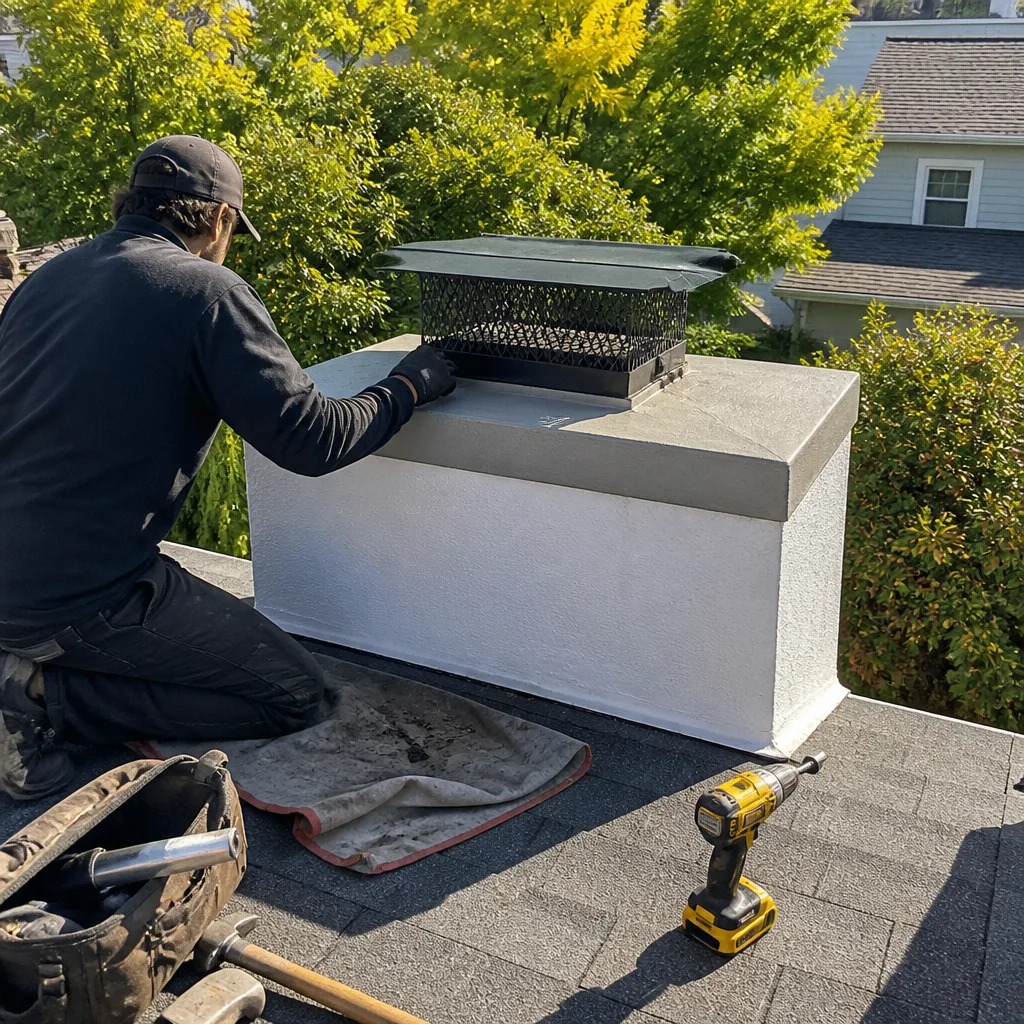
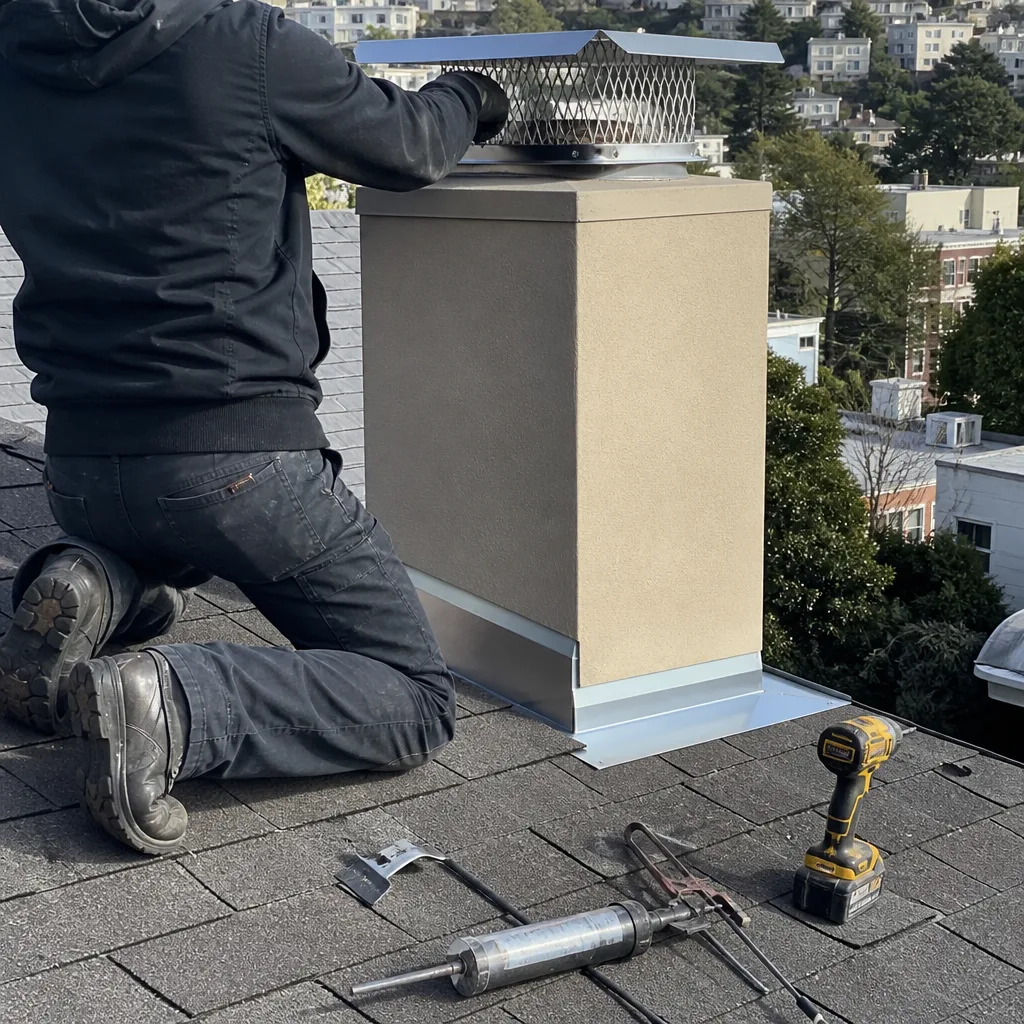
At Chimney Sweep Bernal Heights, we name what we use. For flexible liner installations, we work with DuraFlex systems, which are engineered for older and offset flue configurations common in Bernal Heights homes. For liner restoration, when a damaged clay tile liner can be saved rather than fully replaced, our Chimney Repair in Bernal Heights service uses HeatShield ceramic resurfacing, a process that restores the liner surface to a durable, insulative state without the full cost and disruption of a liner replacement. For termination caps, dampers, and exterior venting, we use Famco and Gelco products, which means the visible exterior components are also built to a trade-level standard.
These aren’t hardware-store brands. They’re the products professionals specify when they’re accountable for the outcome. If you’re paying for a chimney repair, you deserve to know what materials are going into it. Ask your sweep. If they can’t name their liner brands, that’s information too.
Common Mistakes to Avoid
- Brushing without knowing your liner condition. If the liner has cracks or gaps, brushing can dislodge loose material and worsen the problem. The pre-inspection is not optional, especially in older Bernal Heights homes where flue condition is often unknown.
- Using a wire brush on clay tile. Steel wire brushes grind against clay tile, eroding the surface and potentially cracking it. Poly brushes are the correct tool for clay tile liners. Wire brushes are for stainless steel only.
- Ignoring the rain cap and spark arrestor. A chimney cleaning that skips the cap and arrestor leaves the most common animal-nesting site unaddressed. Bernal Heights has a robust population of birds and squirrels that see uncapped chimneys as prime real estate.
- Assuming one sweep per year is always sufficient. Burn frequency, wood quality, and fire intensity all affect creosote accumulation. Some Bernal Heights residents who burn daily through the winter generate enough creosote to need two cleanings per season. The schedule follows usage, not the calendar.
- Never having the dryer vent cleaned. This is the unexpected one. Your chimney isn’t the only exhaust vent in your home. Lint-clogged dryer vents are a leading cause of residential fires nationally, and Bernal Heights homes with older, longer dryer vent runs are especially vulnerable. Dryer Vent Cleaning in Bernal Heights addresses a risk that chimney-only sweeping misses entirely.
- Roof-access DIY without fall protection. This deserves repetition. Falls from roofs are the most common cause of serious injury in DIY chimney work. A steep Bernal Heights roof, a damp morning, and a brush in one hand is a recipe for disaster. If roof access is required and you don’t have proper safety equipment and experience, the DIY savings vanish in an ambulance ride.
When to Call a Professional
For more guides & resources on chimney safety, explore our blog. Call a professional when the answer to any of these questions is yes: Is your home older than 1960 with an unknown liner history? Do you have a wood-burning insert or stove? Has it been more than two years since a camera inspection? Do you see shiny or tar-like creosote when you inspect the flue? Have you noticed a smoky smell in the house, visible smoke entering the living space, or difficulty starting fires? Is your roof pitch steep and your fall-protection equipment non-existent?
If you’re in Bernal Heights and you answer yes to any of those questions, the next step is a professional evaluation, not a brush. A Chimney Sweep Bernal Heights home visit includes a camera inspection and a written condition report. We’ll show you what we see. You’ll know your liner condition, your creosote classification, and whether your chimney needs cleaning, repair, or a combination of both. Chimney Sweep Bernal Heights offers free estimates in Bernal Heights. Call (844) 745-4668 to schedule.
Frequently Asked Questions
For wood-burning fireplaces in Bernal Heights, the NFPA standard is professional inspection at least once per year, with cleaning performed whenever creosote accumulation reaches 1/8 inch or more. In practice, most Bernal Heights wood-burning households need professional cleaning once per year, with heavier users needing service every 6 to 9 months. Gas fireplaces need annual inspection but less frequent cleaning. Call (844) 745-4668 to schedule an inspection and we’ll assess your specific usage pattern.
A standard chimney sweep and inspection in Bernal Heights typically runs $180 to $350 depending on flue accessibility, creosote level, and whether roof access is needed. Camera inspection, if not included in the base sweep, adds roughly $75 to $150. Repairs are quoted separately after inspection. For an exact quote based on your chimney’s configuration, call (844) 745-4668. Estimates are free.
Yes, if you have a straight modern flue, known liner condition from a recent professional inspection, and stage-one creosote only. No, if you have an older Bernal Heights home with unknown liner history, an offset flue, a wood-burning insert, or any creosote beyond light powder. The brush kit itself is not the limiting factor. The information you need to use it safely is the limiting factor.
Creosote accumulates, and creosote is fuel. At sufficient thickness and temperature, it ignites, causing a chimney fire. Chimney fires can reach 2,000 degrees Fahrenheit, hot enough to crack tile liners, warp steel liners, and ignite surrounding framing. A cracked liner then allows carbon monoxide and combustion gases to enter the living space. The worst-case sequence is chimney fire, then structure fire, then potential carbon monoxide poisoning from the damaged system. This is not a low-probability event in older Bernal Heights homes with original clay liners and decades of use.
Yes. Dryer lint is highly combustible, and dryer vent fires account for roughly 15,000 residential fires annually in the US. Bernal Heights homes with longer vent runs, especially those with multi-story vertical runs or runs through crawl spaces, accumulate lint faster and resist DIY cleaning methods. A standard homeowner’s lint brush reaches 2 to 3 feet. Professional rotary vent cleaning reaches the full run length.
You can’t reliably tell without a camera inspection. Symptoms like smoke smell in the house, visible smoke entering the room, difficulty maintaining a fire, or pieces of tile material falling into the firebox suggest liner damage, but absence of symptoms doesn’t mean absence of damage. Hairline cracks are invisible to visual inspection from the firebox. If your Bernal Heights home is older and the liner has never been evaluated, a camera inspection is the only definitive answer. Call (844) 745-4668 to schedule one.
The Bottom Line
The DIY chimney cleaning question in Bernal Heights isn’t really about whether you can operate a brush. It’s about whether you have enough current, accurate information to know that brushing is sufficient and safe. For a subset of homeowners with modern, straight flues, recent professional inspections, and light usage, DIY maintenance works. For the rest, and especially for owners of older Bernal Heights homes with unknown liner histories, the professional visit isn’t just cleaning. It’s the diagnostic step that tells you whether cleaning is even the right service. The $80 brush kit saves money only when you already know what you have. The camera inspection is what gives you that knowledge. If you’re not sure, call us at (844) 745-4668. We’ll help you figure out what your chimney actually needs.
Written by the team at Chimney Sweep Bernal Heights, serving Bernal Heights since 2016.
See the difference
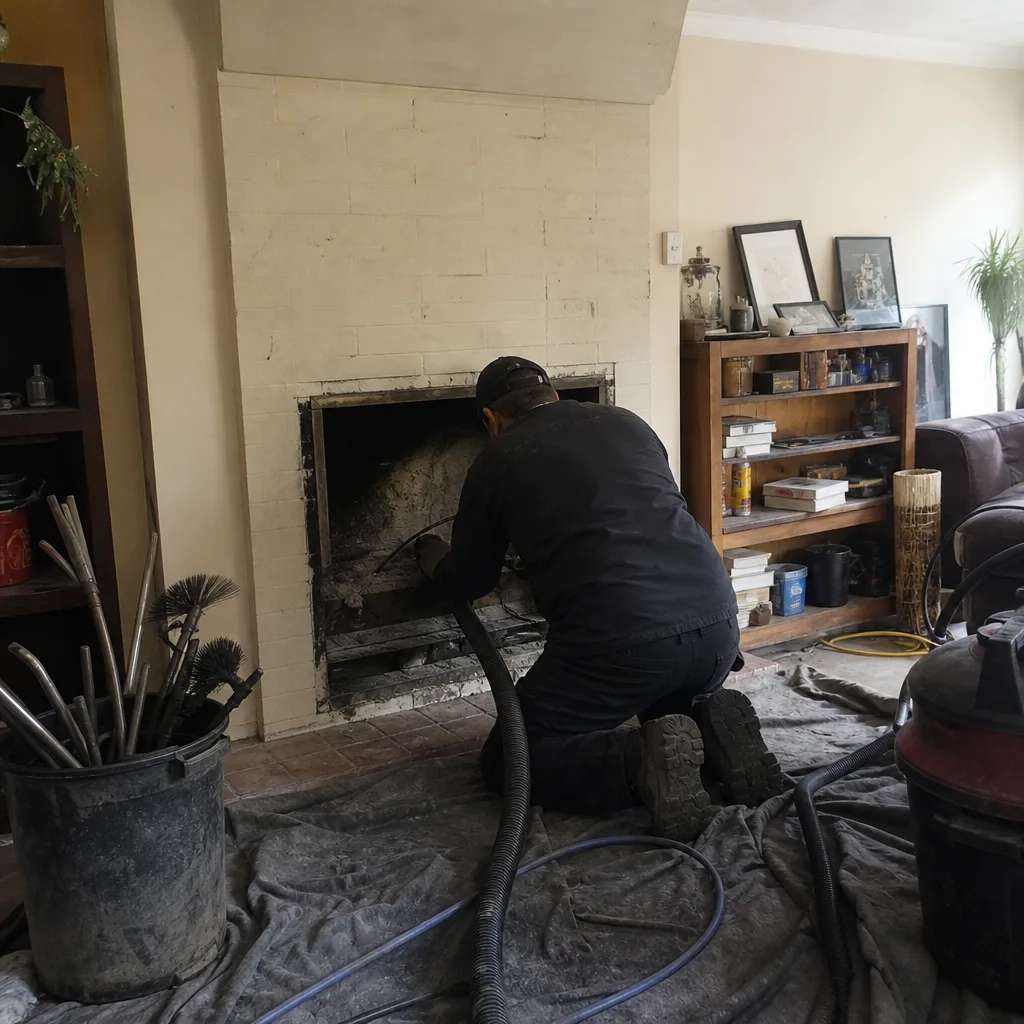 Before
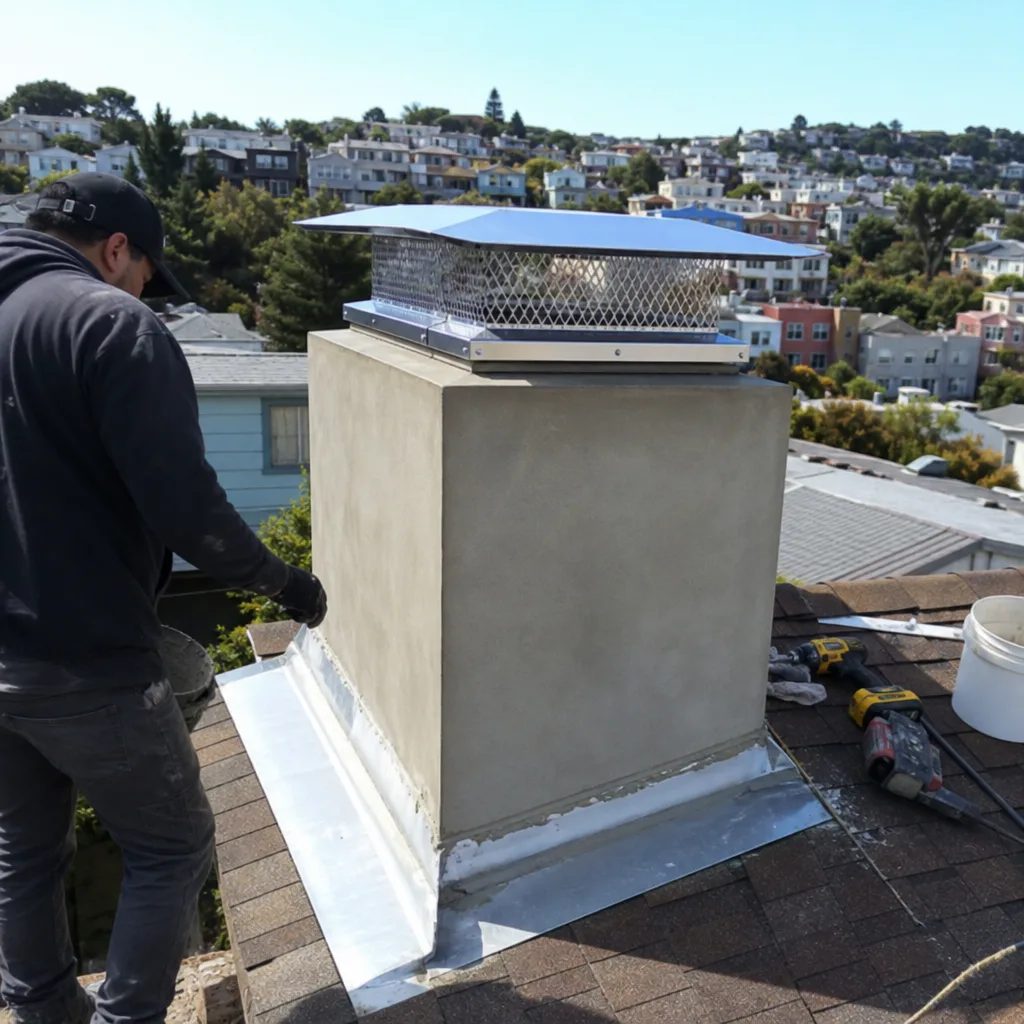 After
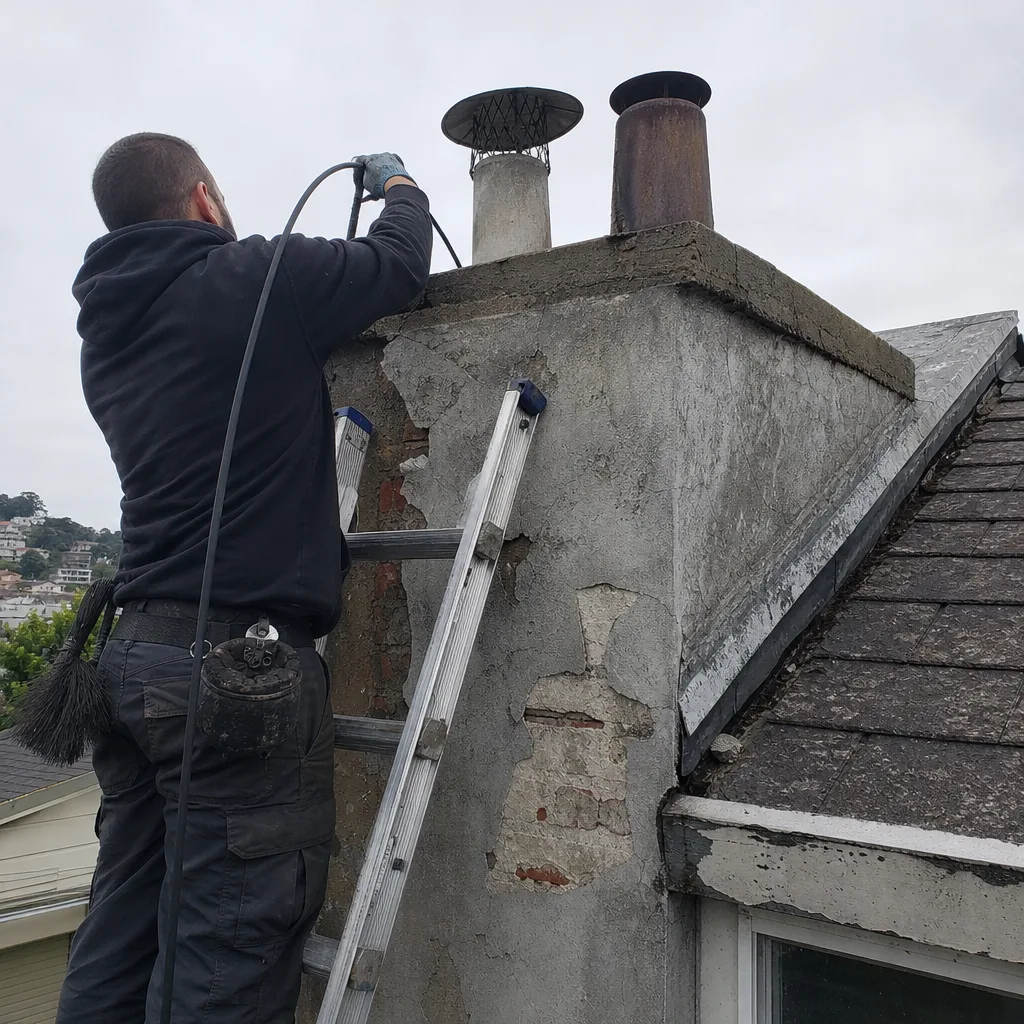 Before
 After
 Before
 After