
Last updated November 2, 2026
 Sweep & inspection
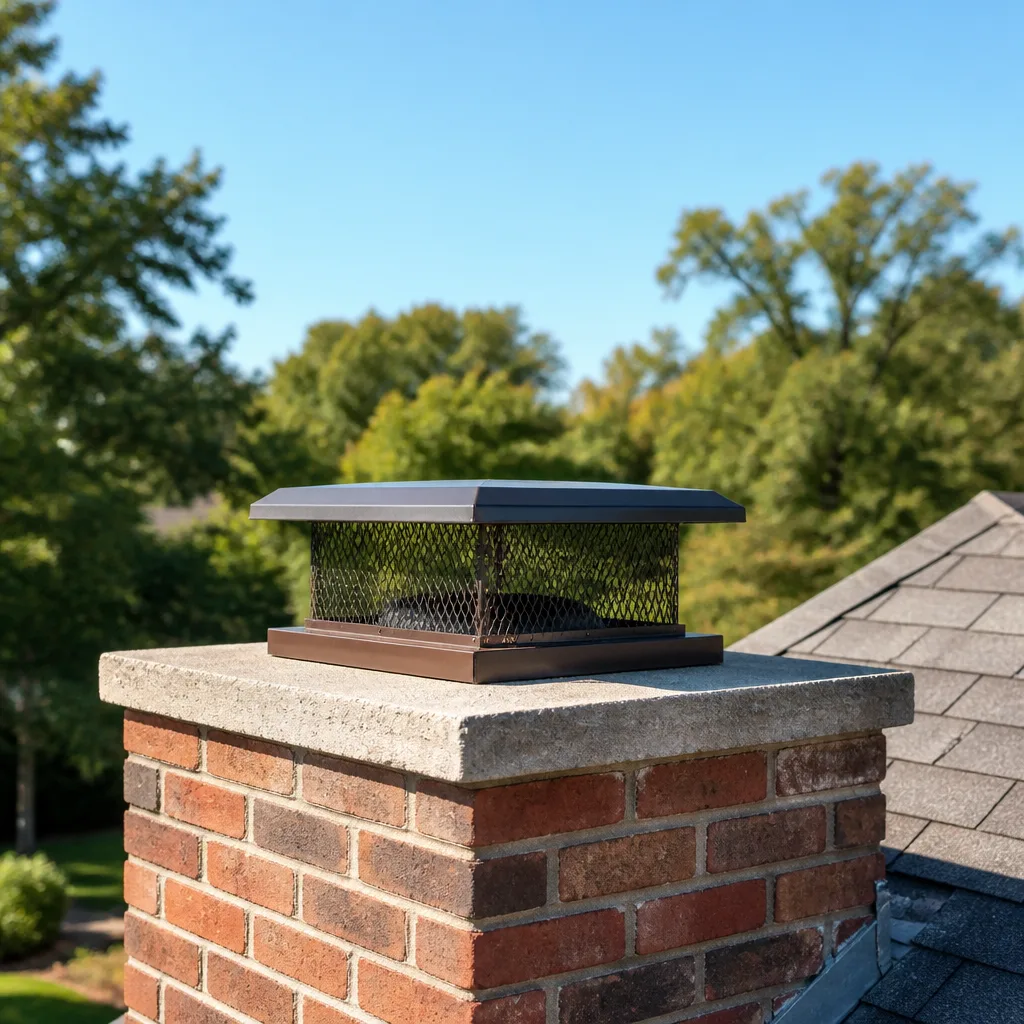
 Caps & crowns
 Flue relining
 Masonry repair
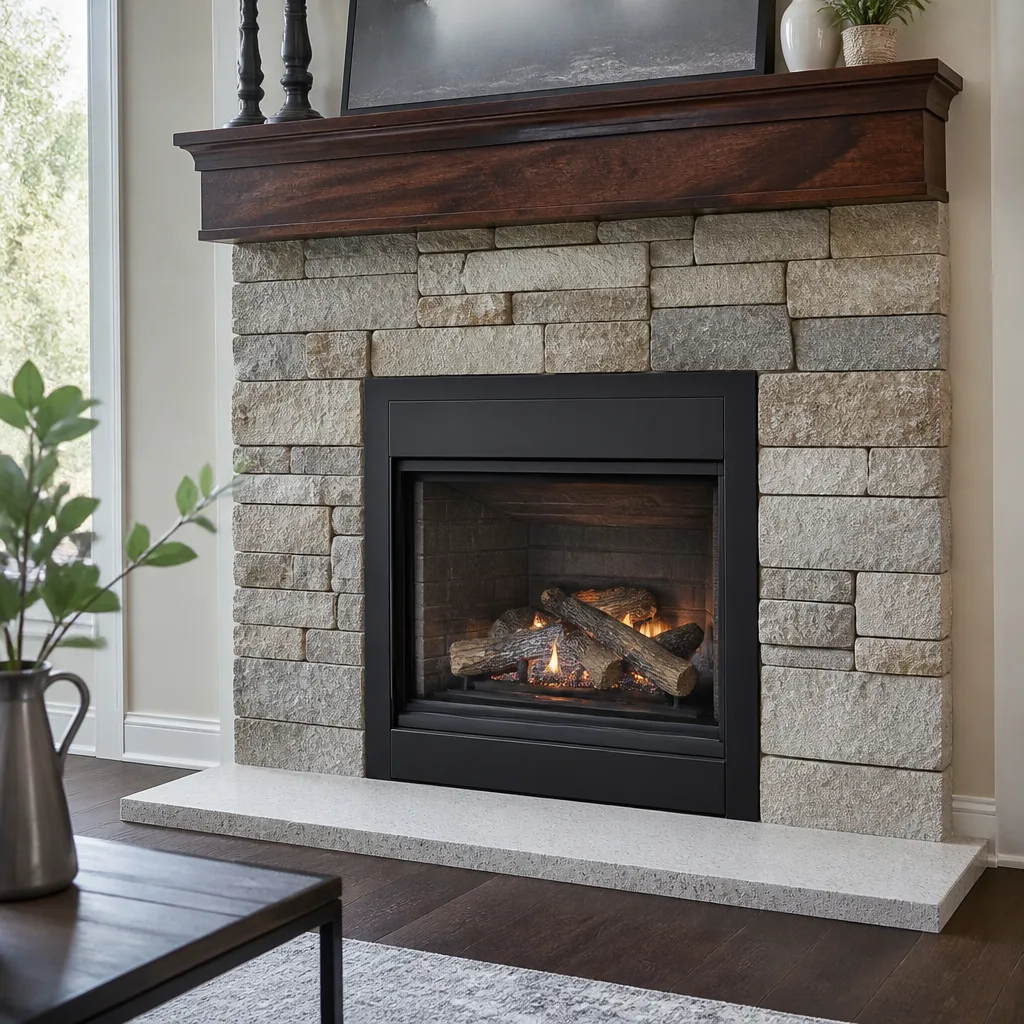 Gas fireplace service
Level 1 sweep and inspection to the NFPA 211 annual standard - flue, crown, cap, and flashing checked and photographed
Chimney sweep logs do not sweep chimneys. They loosen some creosote - which then falls where a brush and vacuum still have to collect it.
Chimney Cleaning Cost Breakdown: The Bernal Heights Homeowner’s Reference for 2026
The lowest chimney sweep quote you’ll find in San Francisco typically doesn’t include rotary mechanical cleaning. It includes a brush pass and a camera run, which is a diagnostic service, not a cleaning service, even if it’s marketed as both. That distinction alone explains why Bernal Heights homeowners see quotes ranging from $149 to $800 for what sounds like the same job. This guide walks through exactly what drives that spread, what you should expect to pay for each tier of service in 2026, and which line items are worth your money versus which ones signal an upsell operation. For chimney cleaning warning signs every Bernal Heights homeowner should know, see our dedicated reference. If you have a wood-burning fireplace, gas insert, or an older Bernal Heights home with a masonry chimney, the cost literacy in this reference will help you evaluate any estimate you receive.
Styles & brands we work with
- Sweep & inspection
- Caps & crowns
- Flue relining
- Masonry repair
- Gas fireplace service
Quick Answer
Chimney cleaning in Bernal Heights typically costs between $189 and $349 for a standard sweep with a written report, while a Level 2 camera inspection adds $150 to $350. Full liner replacement runs $3,500 to $8,000 depending on flue configuration, and HeatShield ceramic resurfacing, when structurally viable, costs roughly 40 to 60 percent less than a full reline. The fivefold price spread across San Francisco quotes reflects real differences in equipment, material brands, and whether the company is positioned to do honest follow-on repair work or use the inspection to generate work.
Table of Contents
- The Real Cost Tiers: From Basic Sweep to Liner Resurfacing
- Why the Same “Chimney Cleaning” Quotes at $149 and $800
- How Bernal Heights Housing Stock Affects Labor Costs
- The Dollar-for-Dollar Cost of Deferred Maintenance
- What a Legitimate Written Estimate Contains
- Material Brands and Why They Change the Quote
- The Dryer Vent: The Fire Risk You Didn’t Ask About
- Common Mistakes to Avoid
- When to Call a Professional
- Frequently Asked Questions
- The Bottom Line
The Real Cost Tiers: From Basic Sweep to Liner Resurfacing
A chimney cleaning quote is not one number. It’s a tier. Homeowners who understand the tiers can read an estimate the way a mechanic reads a diagnostic printout. Here’s what each tier actually includes in the Bernal Heights and greater San Francisco market, with realistic 2026 price ranges based on what we see from bids and what our own pricing reflects.
Tier 1: Basic Sweep ($189 – $349)
This is the entry-level service. It should include a top-down brush pass with appropriately sized poly or wire brushes, a drop cloth at the firebox, a HEPA-filtered vacuum at the point of collection, and removal of creosote from the flue walls, smoke shelf, damper, and firebox. A basic sweep should also include a visual inspection of accessible components: the cap, crown, flue tiles if visible, damper function, and firebox brick condition. What it may not include is a camera inspection. Some companies in San Francisco bundle a camera run into the basic sweep price. Others sell it as an add-on. If a quote is under $200, assume the camera is not included or the sweep is a brush-only pass without the detail work. For context, a basic sweep at the Chimney Sweep in Bernal Heights tier typically lands in the mid-range of this band because it includes a written condition report, not a verbal summary.
Tier 2: Sweep with Level 2 Camera Inspection ($340 – $700 bundled)
A Level 2 inspection per NFPA 211 standards is required when you’re buying or selling a home, after a chimney fire, after an earthquake or seismic event, or when you’ve made a change to the system such as a new appliance or a liner. It involves a closed-circuit camera run through the full flue length, looking for cracked tiles, gaps in mortar joints, spalling brick, water intrusion, and flue obstructions. The camera hardware itself costs real money: good systems run $4,000 to $8,000 for the equipment alone. A company that owns and calibrates this gear charges for it. The bundled sweet-plus-Level 2 range of $340 to $700 in Bernal Heights reflects whether the company is a one-person operation with a handheld scope or a crew with a full rig, tripod, and report generation. In our experience, the inspection is where the cost of a cheap quote comes back to bite: a brush pass without a camera sees nothing inside the flue, and the homeowner is left believing the system is safe when it is not.
Tier 3: Liner Repair and Resurfacing ($1,800 – $4,500 depending on method)
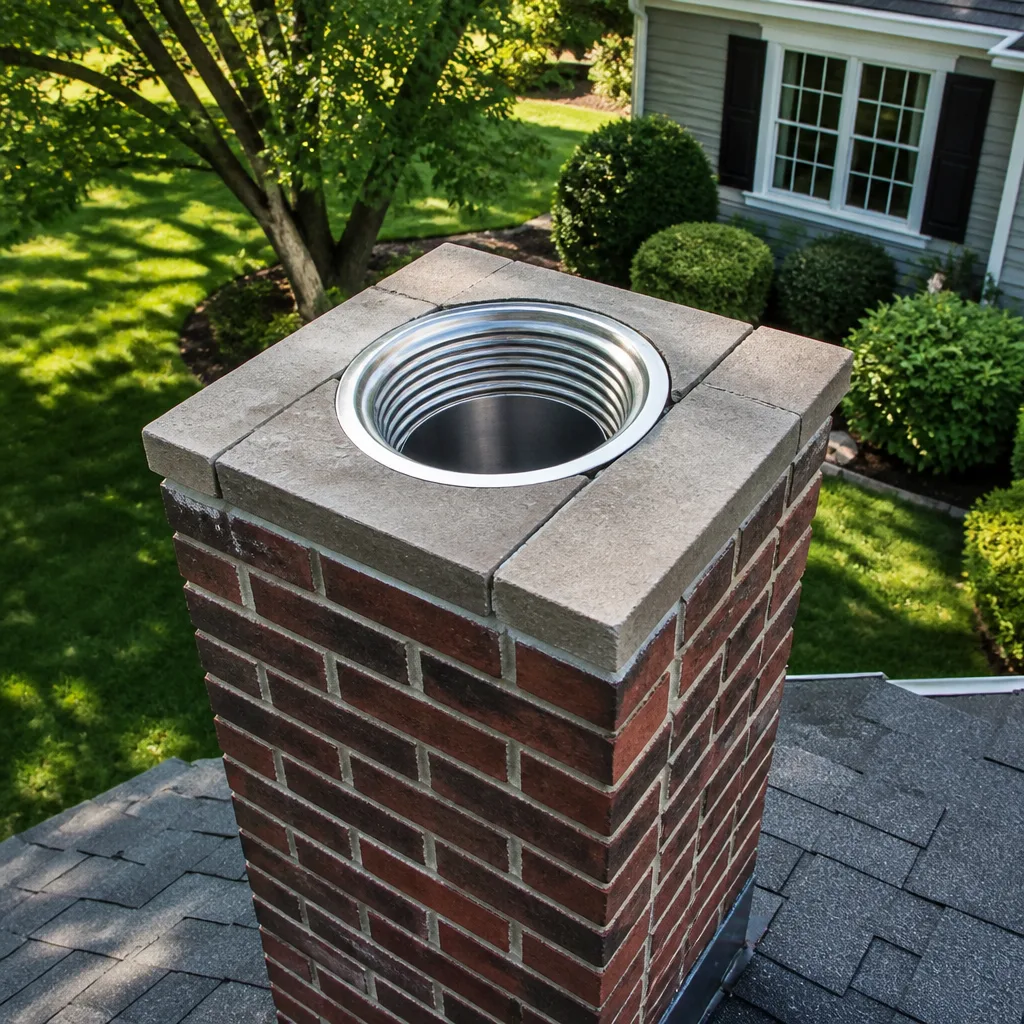
When the camera reveals cracked flue tiles or deteriorated mortar joints, you have two legitimate paths. The first is a stainless steel liner installation using a system like DuraFlex, which involves dropping a continuous or sectional flexible liner down the existing flue. This is a permanent structural fix that handles high heat and corrosive condensate from gas appliances. The second is HeatShield ceramic resurfacing, a specialized process where a joint compound and ceramic coating are applied to the flue interior to seal cracks and restore a smooth, insulated surface. HeatShield is not offered by every chimney company; it requires manufacturer training and a proprietary application rig. When the underlying flue structure is still sound, HeatShield resurfacing costs roughly 40 to 60 percent less than a full stainless reline. For a two-story Bernal Heights chimney with a standard 6-inch flue, expect HeatShield work to run $1,800 to $2,800, while a DuraFlex reline of the same footprint runs $3,500 to $4,500. If a contractor quotes you a $6,000 reline without showing you camera footage of flue damage, get a second opinion from a Chimney Repair in Bernal Heights specialist before writing the check.
Tier 4: Full Liner Replacement ($3,500 – $8,000)
Full liner replacement becomes necessary when flue tiles are collapsed, the mortar joints have failed structurally, or the flue offset exceeds what a flexible system can navigate without kinking. The price spread covers flue height, roof pitch, access difficulty, and whether the old liner must be broken out (common in older San Francisco masonry chimneys) or can remain in place as a chase for the new liner. Permits in San Francisco add cost: the city requires a mechanical permit for liner work, and depending on the district, that can add $200 to $600 in fees alone. For full details, see our guide to Chimney Cleaning Permits, Codes & Inspections in CA: What You Need to Know. A legitimate estimate will itemize the permit line. If a quote for a full reline does not mention permit fees, that’s a red flag that the contractor may not be pulling one.
Tier 5: Cap, Crown, and Termination Work ($250 – $1,200)
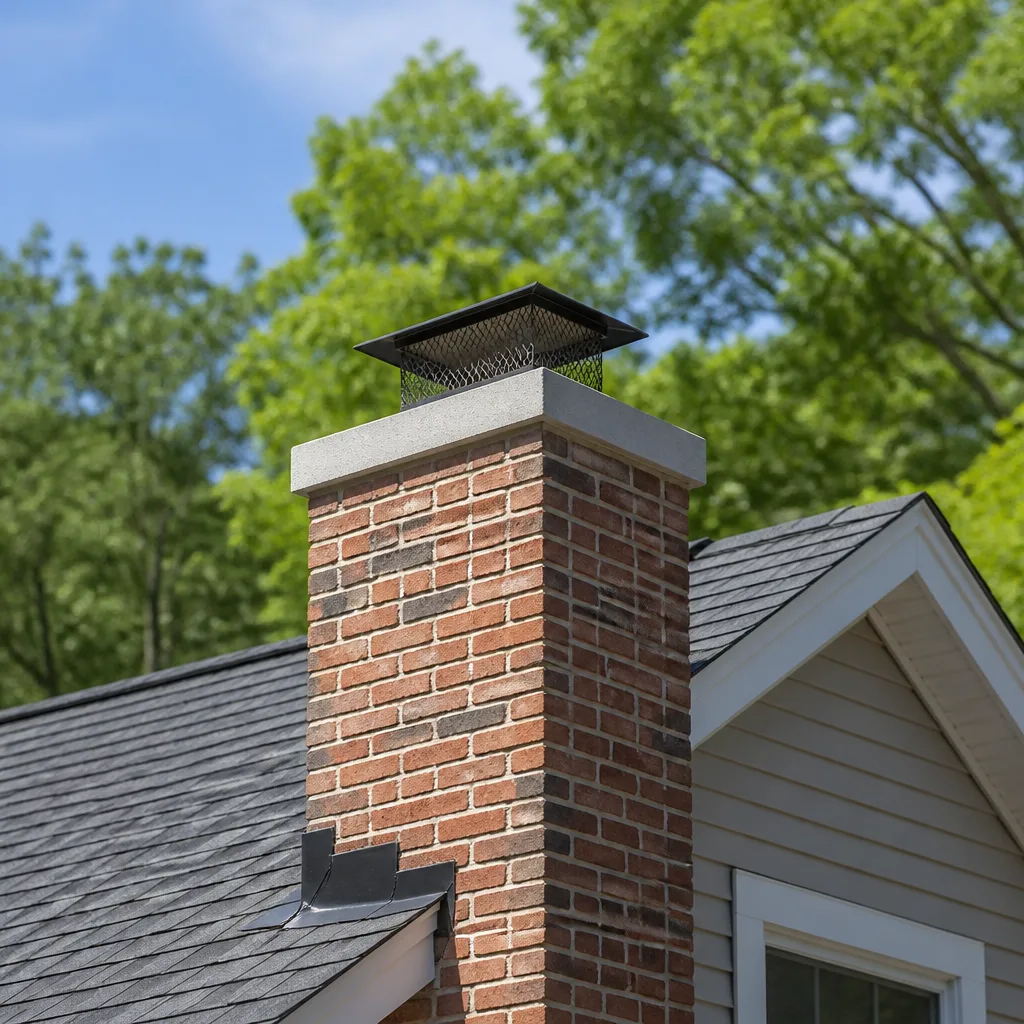
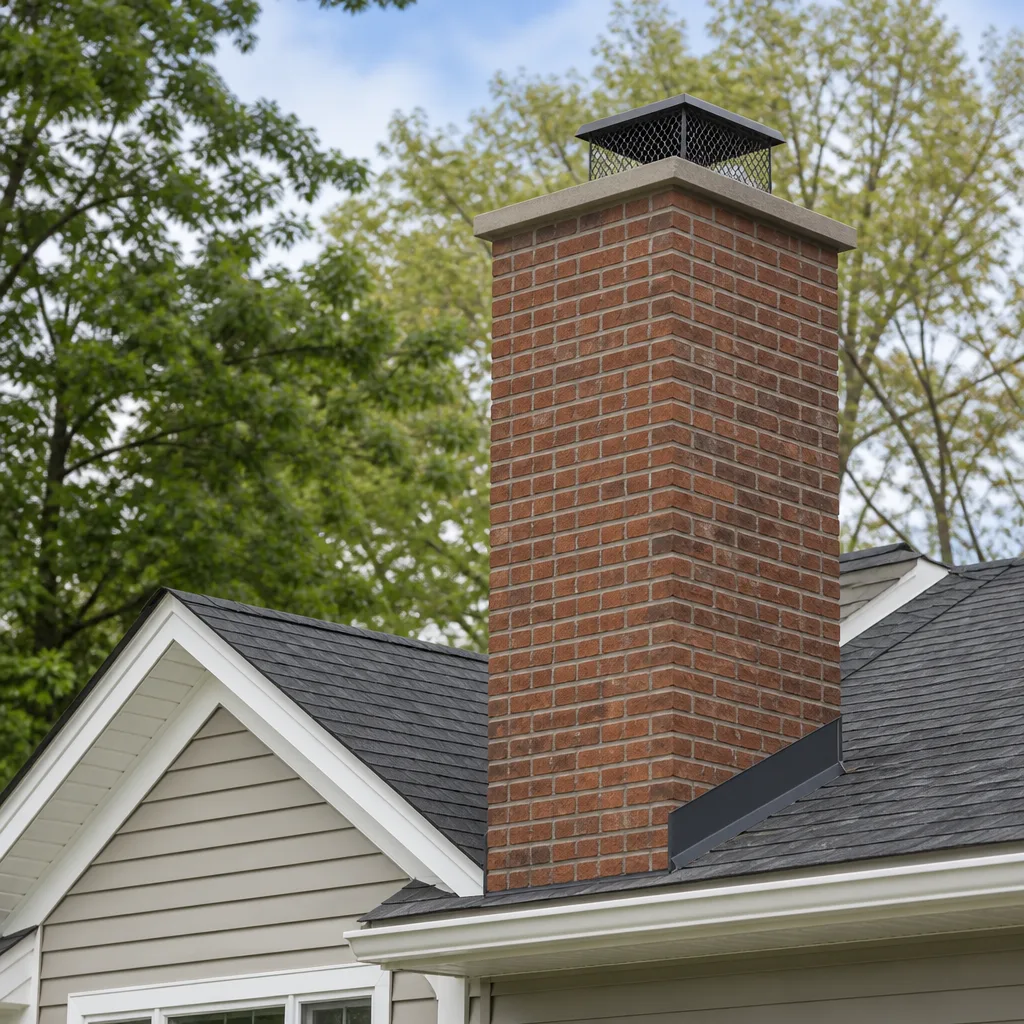
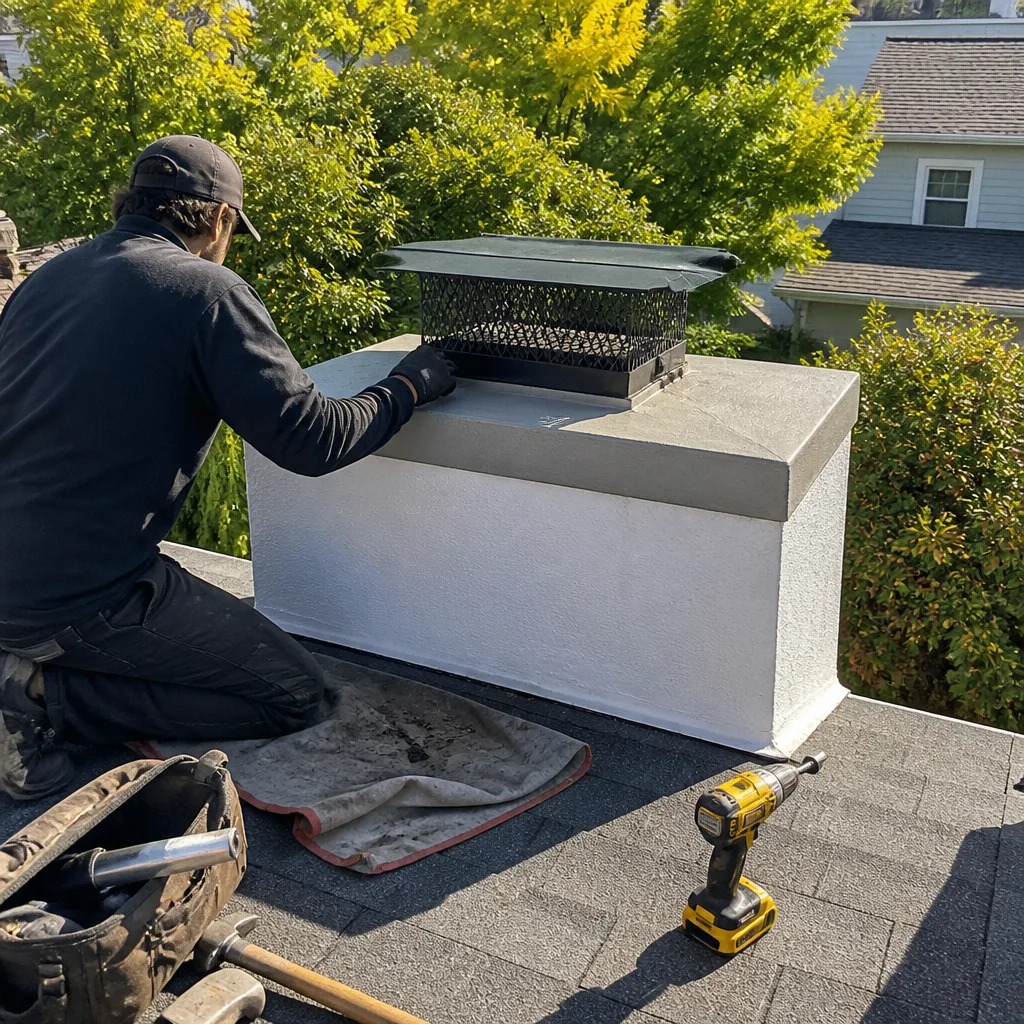
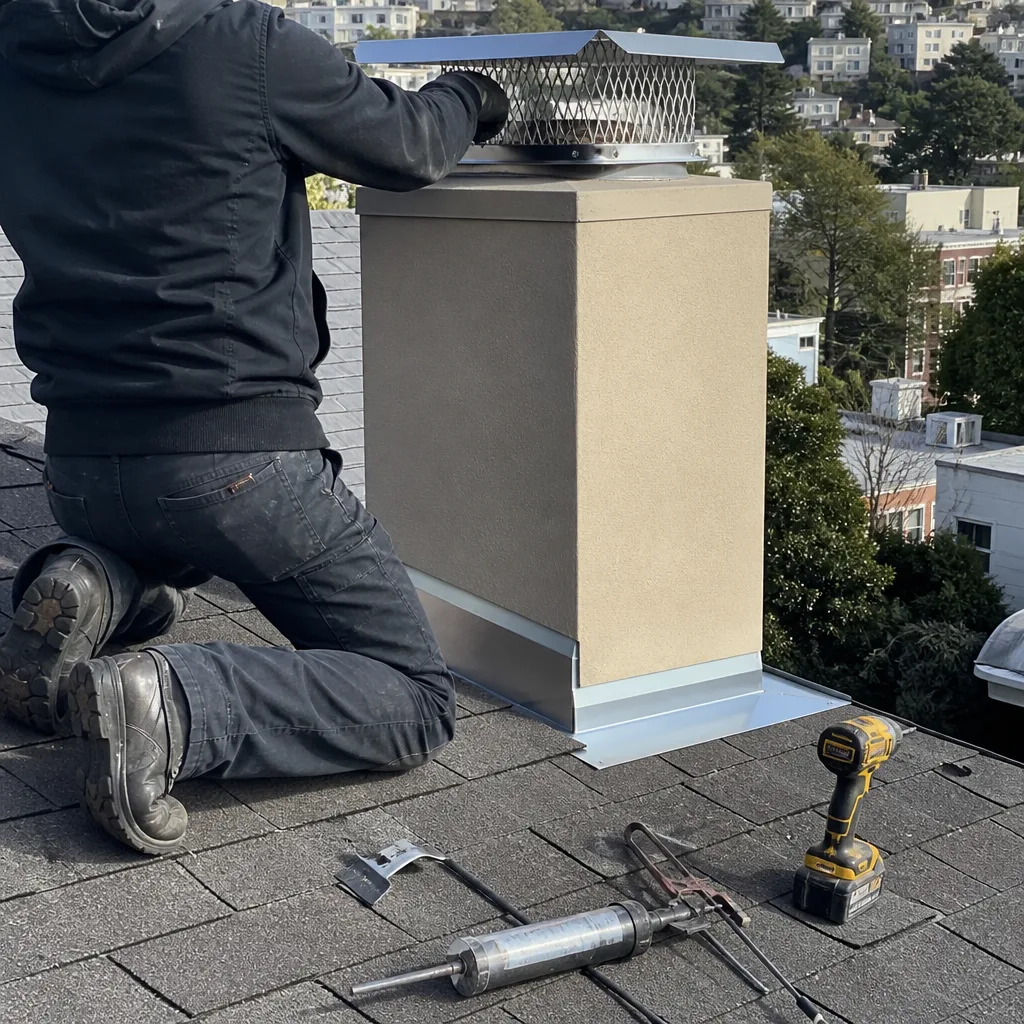
The cap and crown are the part of the system most exposed to Bernal Heights weather: wind, fog-driven moisture, and the persistent marine layer. A missing or damaged cap lets rain enter the flue, which deteriorates mortar joints and creates the conditions for a future liner failure. Cap replacement runs $250 to $600 for a standard stainless unit from a manufacturer like Famco or Gelco, installed. If you have a multi-flue chimney or a custom termination needed for an older architectural design, expect the higher end of that range. The crown, which is the concrete slab at the top of the chimney structure, may need resealing or rebuilding. Crown repair runs $400 to $1,200 depending on whether it’s a crack seal or a full teardown and repour. None of this is optional if you want the system to last; the cap is the first line of defense against the exact moisture that drives liner failure in this neighborhood.
Why the Same “Chimney Cleaning” Quotes at $149 and $800
In 2026, Bernal Heights homeowners will continue to see a fivefold price spread for what is advertised as the same service. The spread is not random, and it is not because high-priced contractors are inflating their margins. It reflects four concrete differences that you can ask about directly when you call for a quote.
Equipment Type and Depth of Cleaning
A brush pass with a standard wire or poly brush costs the contractor almost nothing in consumables. Rotary cleaning, which uses a whip head attached to a drill or a dedicated rotary system with chains or polymer rods, removes significantly more creosote and takes longer. It also requires more skill to operate without damaging flue tiles. Companies that run rotary systems as their standard step charge more because the work is more thorough and the equipment is more expensive to maintain. When you’re comparing quotes, ask the direct question: “Do you run a rotary head, or is this a hand-brush pass?” A hand-brush pass is sufficient for a lightly used fireplace with dry, well-seasoned wood. It is not sufficient for a heavy-burn fireplace with a season of glazed creosote accumulating on the flue walls.
Contractor Overhead and Insurance
San Francisco workers’ compensation insurance is among the most expensive in the state. A chimney company operating with a two-person crew, a licensed business, commercial vehicle insurance, and liability coverage carries overhead that a cash-only solo operator does not. That overhead shows up in the quote. The $149 sweep is almost always a solo operator with minimal insurance, or a company using the sweep as a loss leader to get in the door and upsell. There’s a place for honest solo operators, but you should know what you’re buying. If the company cannot provide a certificate of insurance when you ask, the quote is cheap for a reason.
Material Brands: Generic vs. Name-Brand
This is the line most homeowners never think to ask about, and it separates a maintenance company from a repair company. When a chimney professional replaces a cap, installs a damper, or drops a liner, the material brand determines how long the part will hold up in San Francisco’s salt air and fog. A generic sheet-metal cap from a hardware distributor may cost $60 at wholesale; a Famco or Gelco cap with a proper screen, stainless construction, and a manufacturer’s design spec may cost $180. The installed price reflects that difference, and it’s a difference you’ll live with for a decade. We name what we use on every estimate. If a contractor won’t tell you the brand of the liner or cap going into your home, treat that silence as information.
Written Report vs. Verbal Summary
A written condition report with photography or camera stills takes time to produce. It requires the technician to document findings, annotate issues, and deliver a file you can keep for insurance or resale purposes. A verbal summary takes sixty seconds. If a company charges $150 and sends no report, they’ve done a sweep. If a company charges $300 and sends a written report with images, they’ve done a sweep and created a permanent record. For a home you own and plan to sell someday, that record has real value. For a rental you manage, it’s a liability document. For a home you just bought, it’s the only way to know what the seller’s “recent chimney inspection” actually found. The difference is not fluff. It’s the deliverable.
How Bernal Heights Housing Stock Affects Labor Costs
Bernal Heights is not a flat grid. The neighborhood climbs from the Mission and Portola edges up to the summit of Bernal Hill, and the housing stock is older, denser, and more architecturally varied than what you’d find in the Sunset or the Richmond. All of that shows up in your chimney quote, and a legitimate contractor will explain why your job costs more than your cousin’s in Noe Valley, even when the service is identical.
Hillside Access and Roof Pitch
Many Bernal Heights homes are built into the slope, which means the chimney is a two-story climb from the street side and sometimes a three-story climb from the downhill side. Steep roof pitches on the Cortland corridor and the streets running off Folsom and Coleridge mean the technician is working on a surface where a fall is a life-threatening event. Safety equipment, harness anchors, and slower, more deliberate movement add labor time. Compare that to a flat-lot bungalow in the avenues where the technician can set a ladder on level ground and work from a 6/12 pitch. The hillside home will cost more. That’s the honest reason.
Older Construction and Chimney Condition
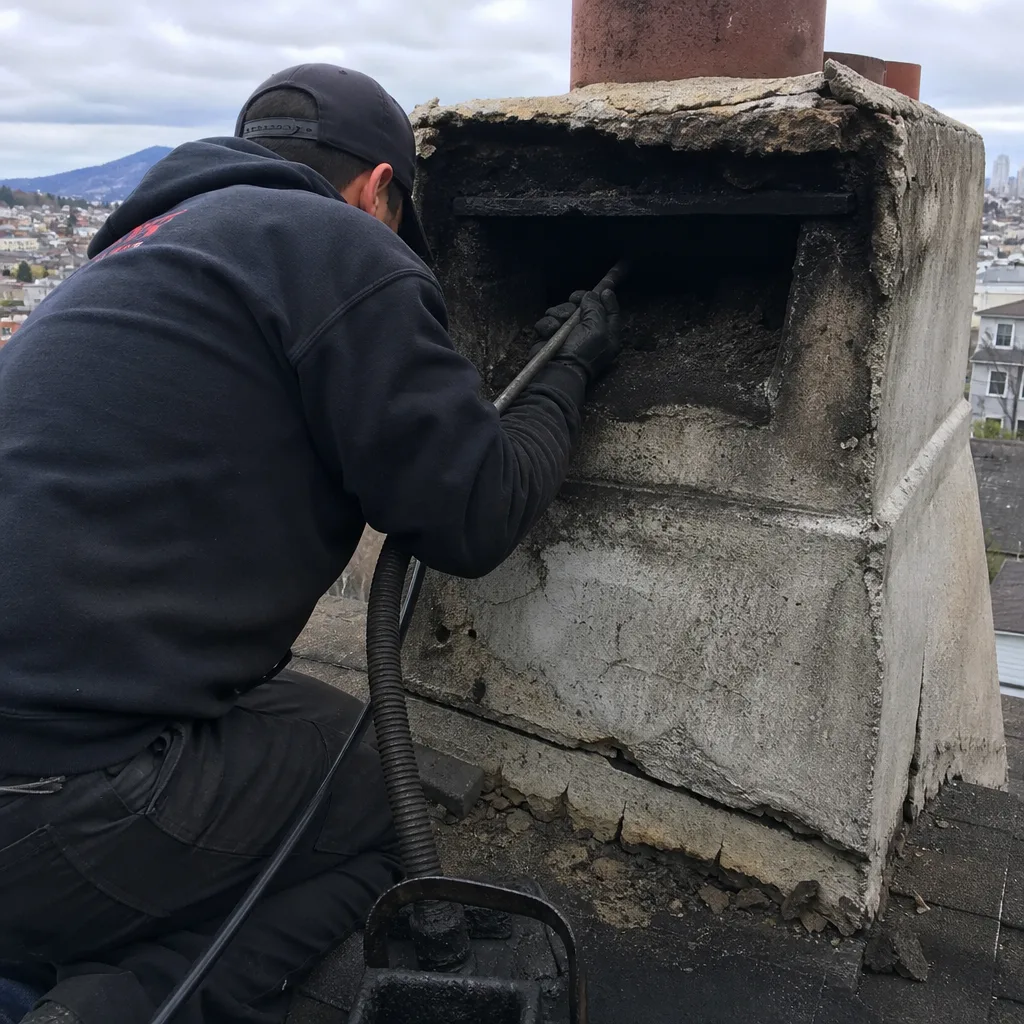
Bernal Heights housing stock skews pre-1940. That means masonry chimneys with original terra cotta flue tiles, which are now 80 to 100 years old. Terra cotta tiles crack from thermal cycling over decades of use, and the mortar joints between them erode. When a sweep drags a brush through an older flue, the brush can catch on already-loosened tile and reveal damage the homeowner didn’t know existed. This is not the contractor causing damage. It’s the contractor finding it. The cost of the finding is that the system may need more than a sweep, which is why a camera inspection on an older Bernal Heights chimney is not an upsell, it’s the only honest way to assess a flue that’s been sitting in fog-driven moisture for the better part of a century.
Access Through Interior Spaces
Many Bernal Heights homes have the fireplace on the lower floor with the chimney running up through the interior of the house, not up an exterior wall. That means the technician moves equipment through living space, lays drop cloths through a hallway, and works with less room to maneuver around furniture and fixtures. It adds 30 to 45 minutes to the job compared to an exterior access chimney. A contractor who doesn’t ask about interior versus exterior access when you call for a quote is guessing at the price.
The Dollar-for-Dollar Cost of Deferred Maintenance
The cheapest chimney cleaning is the one you schedule before the system fails. The most expensive is the one you schedule after. Our Chimney Cleaning Emergency Preparedness Guide for Bernal Heights Homes explains how to avoid the latter. Here’s the math, using 2026 San Francisco market pricing and the typical failure patterns we see in Bernal Heights chimneys.
The $300 Problem Caught at a Sweep
A homeowner schedules a standard sweep. The camera run shows hairline cracks in two flue tiles and early-stage mortar joint erosion. The chimney is not currently dangerous, but it is trending toward failure. The repair is a HeatShield ceramic resurfacing job or a targeted joint seal, running $1,800 to $2,500. Total bill including the sweep and inspection: $2,500 to $3,000. The chimney is safe, the liner is restored, and the system is good for another 10 to 15 years with proper maintenance.
The Same Cracked Liner After a Chimney Fire
The homeowner skips the sweep. A season of burning green wood produces glazed creosote. A hot fire ignites it. The chimney fire reaches 2,000 degrees Fahrenheit, shattering the flue tiles, cracking the masonry structure, and damaging the cap and crown. The repair is now a full teardown and rebuild of the upper chimney structure, a structural liner replacement, and potential repair to the firebox. The bill lands between $8,000 and $15,000, and that’s before the homeowner deals with whatever smoke damage occurred inside the living space. The difference between the $300 inspection and the $15,000 repair is a two-hour service call. This is not a scare tactic. It’s the actual failure mode of an ignored chimney system, and it’s more common in San Francisco than homeowners realize because the fog cycle means moisture gets into small cracks and accelerates spalling long before a chimney fire ever happens.
Water Intrusion: The Silent Accelerant
Even without a chimney fire, water entry through a failed cap or crown shortens the life of every component below it. Moisture soaks into the masonry, dissolves the lime in the mortar joints, and when the chimney heats and cools, the freeze-thaw cycle (mild in Bernal Heights but still present) widens those joints. A $150 cap replacement caught in year one prevents a $3,500 liner replacement in year five. When we evaluate a chimney, the cap is the first thing we look at, because in San Francisco’s marine air, the cap is doing more protective work than in almost any other city in the country. What’s a $150 fix if you catch it early. The same fix after five years of water intrusion is a structural project.
What a Legitimate Written Estimate Contains
Every chimney cleaning or repair job in Bernal Heights should come with a written estimate that you can read, question, and keep. If a contractor quotes a number over the phone and will not put it in writing, that quote is not a quote. Here’s what a real estimate looks like, line by line, and which items are non-negotiable versus which are genuinely optional.
Non-Negotiable Line Items
- Sweep service description: Should specify brush type, whether rotary heads are included, and what surfaces are covered (flue, smoke shelf, damper, firebox). If the description is “chimney cleaning” with no further detail, ask for more.
- Inspection method: Should state whether a camera inspection is included or added as a line item, and which standard it follows (NFPA 211 Level 1 or Level 2).
- Debris handling: Should confirm that all creosote and soot are removed from the property and the fireplace is left in clean, usable condition.
- Permit fees: For any liner work or structural repair in San Francisco, permits are legally required. A legitimate estimate itemizes them. A quote that omits permit fees is either not pulling a permit or will add the fee as a surprise charge later.
- Material specification: For any replacement part, the estimate should name the manufacturer. DuraFlex, HeatShield, Famco, Gelco, Olympia Chimney, and Copperfield are the brands we use; if you see different names, verify they meet the same spec.
Genuinely Optional Line Items
- Creosote-reducing additives: These are powders or sprays you can buy yourself at any fireplace supply shop for $15 to $20. A sweep company offer to apply them at $50 to $75 is convenience, not necessity.
- Chimney deodorizer treatments: If there’s an odor problem, the root cause is usually water or creosote buildup. A deodorizer masks it; it doesn’t fix it. Address the cause instead.
- “Premium” brush packages: Some companies sell tiered brush options. Unless there’s a specific reason your flue needs a different brush type (glazed creosote, a particular flue shape), the standard brush is sufficient.
- Cap upgrades beyond code minimum: A standard stainless cap from Famco or Gelco meets all code requirements. A “premium” larger or decorative cap is an aesthetic choice. There’s nothing wrong with it, but it is optional.
The Red-Flag Estimate
An estimate that arrives with one number and no line items is not an estimate; it’s a bid, which can be legitimate for a simple sweep but is not acceptable for any repair work. A written estimate with a scope of work, a materials list, and a payment schedule is the minimum standard for work over $500. If you’re managing a rental property in Bernal Heights, keep these estimates on file. They’re your documentation for tax purposes and your defense if a tenant ever questions whether maintenance was performed.
Material Brands and Why They Change the Quote
The chimney industry has a split personality. The visible parts of the trade, the sweeping and the capping, look like commodity work. The invisible parts, the liners and the termination components, are material science. A chimney liner has to withstand 2,000-degree flue gases, corrosive condensate from combustion, and decades of thermal cycling in a marine climate. The difference between a liner that lasts 20 years and one that fails in 10 is the manufacturer. This is where brand names stop being marketing and start being engineering.
DuraFlex Liners: When Flexibility Is the Point
DuraFlex systems are continuous, flexible stainless steel liners designed for flues with offsets, bends, or deteriorated masonry that can’t support a rigid liner installation. Older Bernal Heights chimneys frequently have offsets where the flue jogs around a framing member or an old firebox, and a rigid liner simply won’t navigate the path. DuraFlex handles those configurations. The material is a 316L stainless alloy designed for high-temperature and corrosive gas environments, and it’s a name a homeowner should recognize when it appears on an estimate. A contractor who installs this system has made a material investment that a brush-and-bucket sweep outfit has not.
The Difference Between a Generic Cap and a Copperfield or Famco Unit
A cap’s job is straightforward: keep rain out, keep animals out, and prevent sparks from leaving the flue. The engineering is in the details, the mesh size, the stainless grade, the wind resistance. A generic cap from an unnamed distributor may do the job for a few years. A Copperfield cap is designed for the coastal environment, with materials selected for salt-air corrosion resistance and a fitment designed for the specific flue configuration. The price difference is $100 to $200 installed. Over a 15-year service life, that is roughly $10 per year for a component protecting a $5,000 liner system. It’s the cheapest insurance you’ll ever buy on your chimney, and it’s why we spec Copperfield and Famco components on every termination we install.
Why We Name What We Use
Most chimney companies don’t tell you what materials they’re putting in your home because most homeowners don’t ask. We take the opposite approach. Every estimate we write includes the manufacturer name for every component: the liner, the cap, the damper, the crown material. When you’re comparing quotes, ask the other company the same question. If they can’t tell you what brand of liner they’re installing, they’re either buying the cheapest thing available at the supply house or they don’t know, which is worse. Professional-grade materials, not generic substitutes, is not a slogan for us. It’s the spec we build to.
The Dryer Vent: The Fire Risk You Didn’t Ask About
Your chimney is one exhaust point in your home. Your dryer vent is another, and it’s the one that causes more residential fires in the United States than any chimney system. The U.S. Fire Administration attributes roughly 2,900 home dryer fires per year to lint accumulation, and the failure mode is identical to a chimney fire: a combustible material accumulates in an exhaust path, an ignition source is present, and prevention is a scheduled cleaning. We bring this up in a chimney cost guide because the same crew that handles your chimney should be looking at your dryer vent, and the cost of cleaning it is a rounding error compared to the risk of ignoring it.
In Bernal Heights, the typical dryer vent cleaning runs $120 to $180 and takes about an hour. That includes disconnecting the dryer, running a rotary brush through the full duct length from the appliance to the exterior termination, and verifying airflow with an anemometer at the exit point. If your laundry is on an upper floor with a roof termination, the price trends toward the higher end because of access. If your vent run is longer than 25 feet or has multiple elbows, that also adds time. The venting path matters: a long, elbow-heavy run accumulates lint faster than a short, straight run. A homeowner who hasn’t had the dryer vent cleaned in three years, with a vent run that exits on the roof, is exactly the household that should schedule a Dryer Vent Cleaning in Bernal Heights visit. The $150 service visit is the cheapest fire prevention measure you’ll buy this year.
Why One Crew for Both Systems Makes Sense
Chimney sweeping and dryer vent cleaning use the same core skills: rotary brush equipment, airflow diagnosis, exhaust path inspection, and an understanding of how combustion and heat affect air movement. A company that handles both, like ours, is not a “one-stop shop” in the vague, maxim-happy sense. It’s a ventilation safety specialist that can evaluate every exhaust point in your home in a single visit. That means when we’re on the roof cleaning the chimney, we can also inspect the dryer vent termination at the same time. When we’re in the basement looking at the chimney base, we can trace the dryer duct. From sweep to repair, one call is not just convenient; it’s a more complete picture of your home’s ventilation health. And your dryer vent is a fire risk too, even if it never gets a fireplace’s attention.
Common Mistakes to Avoid
- Comparing quotes on price alone. A $149 sweep and a $300 sweep are not the same service. If you don’t ask what’s included, equipment type, inspection depth, report deliverable, you’re comparing a diagnostic with a cosmetic. Ask the same three questions of every company and compare the answers, not the number.
- Skipping the camera inspection on an older home. A Bernal Heights chimney built before 1940 has flue tiles that are eight decades old. A brush pass cleans them. A camera sees whether they’re still structurally sound. If you’re buying a home anywhere on the hill, pay for the Level 2 inspection before closing.
- Accepting a verbal report. If you paid for an inspection, you should receive documentation. A verbal summary is not a record, and when it’s time to sell the home or file an insurance claim, the absence of a written report means the work didn’t happen in any provable sense.
- Delaying cap or crown repair because the chimney “still works.” Water intrusion is slow and invisible until it’s expensive. A missing cap is a $300 fix now and a $3,000 liner replacement in five years. The chimney will look like it works right up until the moment it doesn’t.
- Burning green or unseasoned wood. Wood that hasn’t dried to below 20 percent moisture content produces creosote at a dramatically higher rate than seasoned wood. In Bernal Heights, where fog keeps humidity high, wood takes longer to season. If you burn regularly, split and stack next year’s wood now, and ask your sweep about creosote build rate at the next visit.
- Ignoring the dryer vent. Lint fires don’t announce themselves. The first sign of a problem is often the fire. The $150 cleaning visit is not an add-on expense; it’s the cost of not having to call the fire department.
- Hiring a contractor who can’t name their materials. If the company can’t tell you the liner brand, the cap manufacturer, or the mesh spec on the termination, they’re either installing the cheapest available product or they don’t know what they’re installing. Neither answer is acceptable when the part in question contains a 2,000-degree fire inside your house.
When to Call a Professional
Chimney and ventilation work is not a DIY category. The surfaces you’d be working on, roof heights, ladder angles on hillside lots, live electrical connections for dryers, interior flue liners in confined spaces, are genuinely dangerous. High-tension and high-heat components like flue liners and caps carrying sparks above your roofline deserve a trained eye and proper safety equipment. If you notice any of the following, stop using the fireplace or dryer and call a professional: visible smoke entering the room instead of going up the flue, a strong creosote odor even when the fireplace is cold, black stains above the fireplace opening, a cap that’s visibly missing or hanging off the flue, or a dryer that takes longer than one cycle to dry a standard load. For any of these, Chimney Sweep Bernal Heights home offers free estimates for Bernal Heights homeowners. Call (844) 745-4668 and describe what you’re seeing; we’ll tell you whether it needs a service visit or is safe to monitor.
Frequently Asked Questions
A standard chimney sweep in Bernal Heights costs between $189 and $349 as of 2026, with most full-service companies landing in the $250 to $300 range for a sweep that includes a written condition report. Quotes below $180 typically exclude camera inspection and may not include debris removal from the firebox. Call (844) 745-4668 for a free estimate with a line-item breakdown.
You need a new liner only if the existing flue is cracked, deteriorated, or no longer safe to contain combustion gases, and the only way to know that is with camera footage of the flue interior. A legitimate company will show you the images. If a contractor recommends a liner replacement without camera evidence, get a second opinion. If the liner is cracked but the structure is sound, HeatShield ceramic resurfacing may be a lower-cost alternative to a full reline.
The National Fire Protection Association recommends a chimney inspection at least once a year, and sweeping whenever creosote buildup reaches 1/8 inch or more. For a wood-burning fireplace used regularly during the Bay Area’s winter burn season, that typically means an annual sweep. Gas fireplaces need less frequent sweeping but should still be inspected annually for blockages and venting issues.
Creosote accumulates on the flue walls. If it ignites, the resulting chimney fire can crack flue tiles, damage the masonry structure, and spread to the house. Even without a fire, water intrusion through a failing cap or crown will deteriorate the liner and mortar joints over time, turning a $300 sweep into a $4,000 to $15,000 structural repair. The sweep is the cheapest maintenance you can do on a chimney.
Hillside access, steep roof pitches, older construction, and interior chimney runs all add labor time compared to flat-neighborhood homes with exterior chimneys. The housing stock on Cortland, Folsom, and the surrounding streets trends pre-1940, which means the chimneys are older and more likely to need repair work beyond a standard sweep. A legitimate quote will explain these access costs rather than hiding them in a vague labor line.
San Francisco requires a building permit for liner work and structural chimney repair, but not for a standard sweep or a Level 1 inspection. However, if you’re selling a home, lenders and inspectors typically look for evidence of recent chimney maintenance. A written report from a sweep satisfies that requirement far better than a verbal “it’s fine.” If a contractor tells you a permit isn’t needed for liner work, check with the Department of Building Inspection before proceeding.
The Bottom Line
Chimney cleaning in Bernal Heights costs $189 to $349 for a legitimate sweep with a written report, and you should be suspicious of quotes well below that range unless you’ve confirmed exactly what the service includes. The inspection, the equipment depth, and the material brands are where quotes diverge, and asking about those specifics is the single most effective way to compare estimates. A chimney that’s maintained annually costs a few hundred dollars a year. A chimney that’s ignored costs thousands to repair and, in the worst case, is a fire waiting for ignition. Whether it’s the fireplace flue or the dryer vent, the math is the same: scheduled maintenance is the cheapest version of every outcome. If you’re in Bernal Heights and want a straight answer about your chimney, call (844) 745-4668 for a free estimate. We’ll tell you what needs doing, what can wait, and what it should cost.
Written by the team at Chimney Sweep Bernal Heights, serving Bernal Heights since 2016. Browse our more guides & resources for Bay Area homeowners.
See the difference
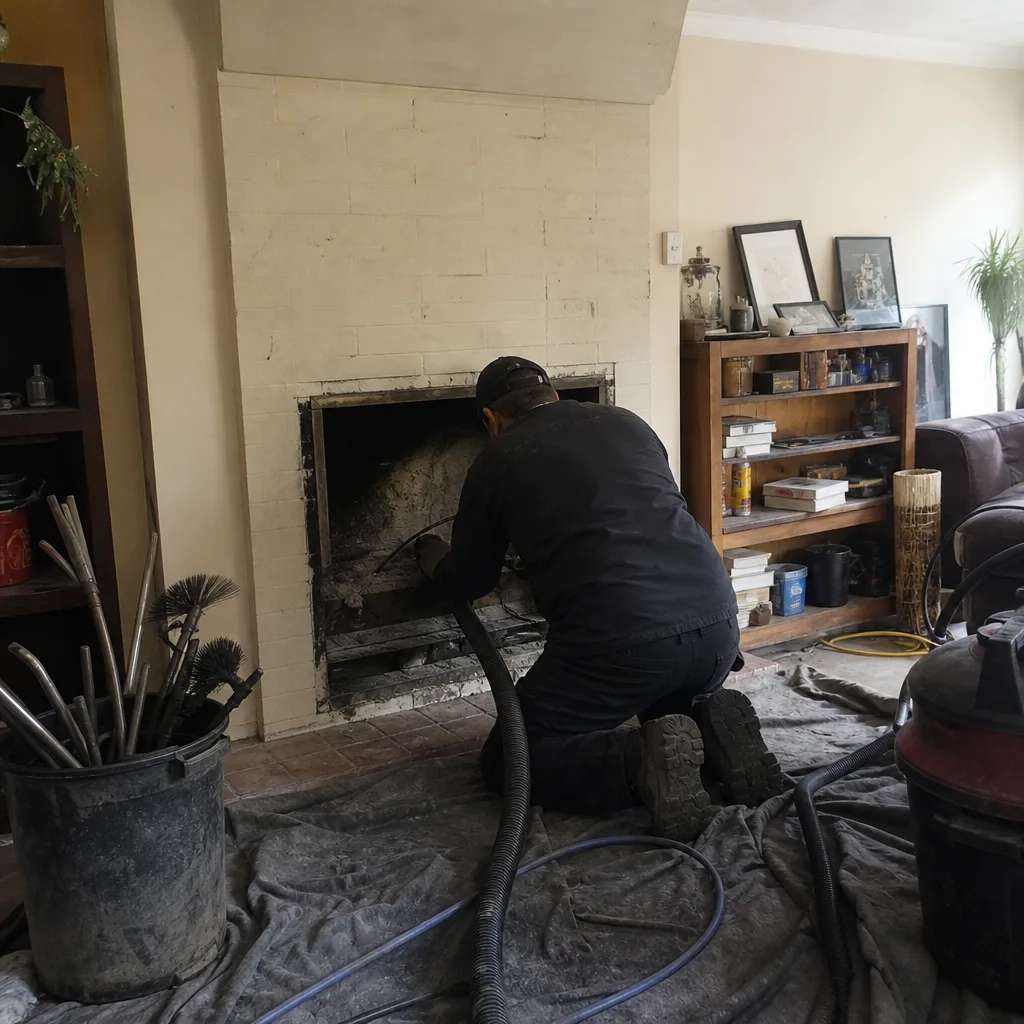 Before
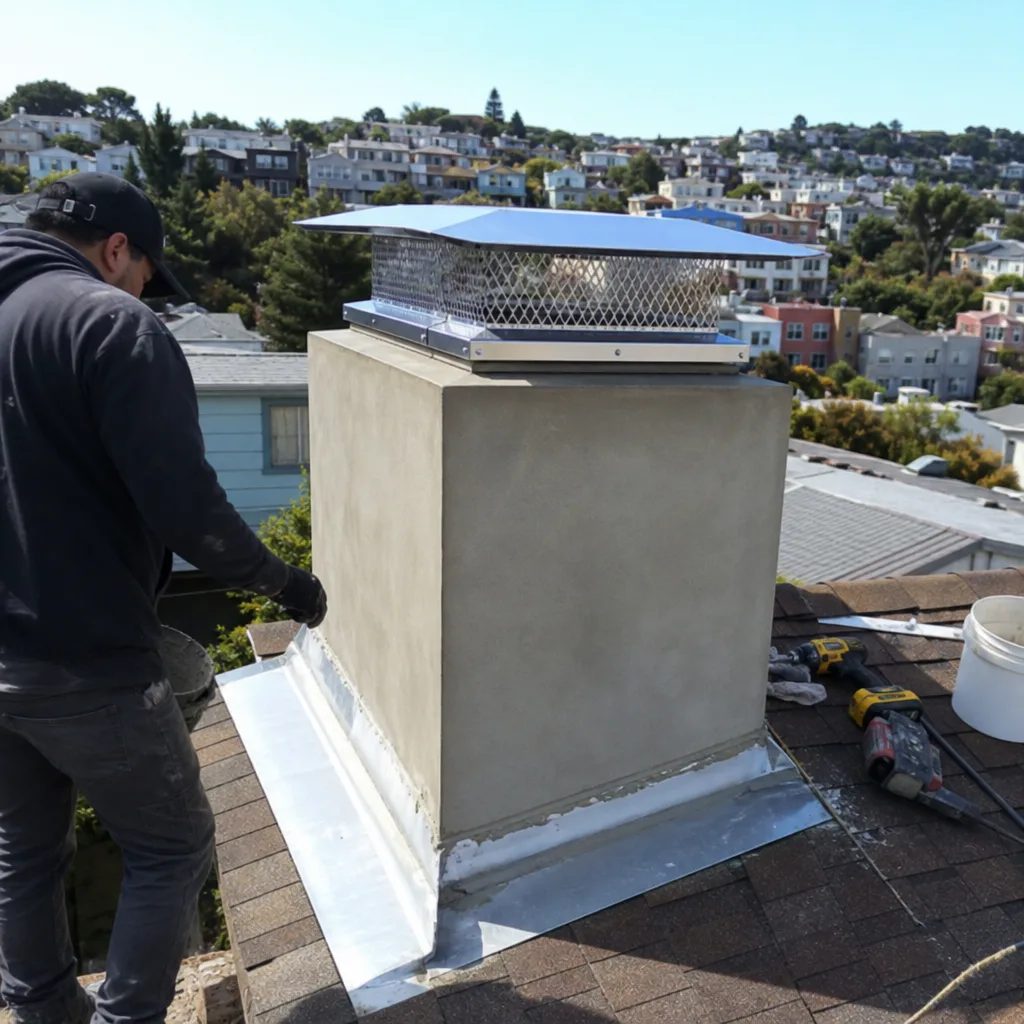 After
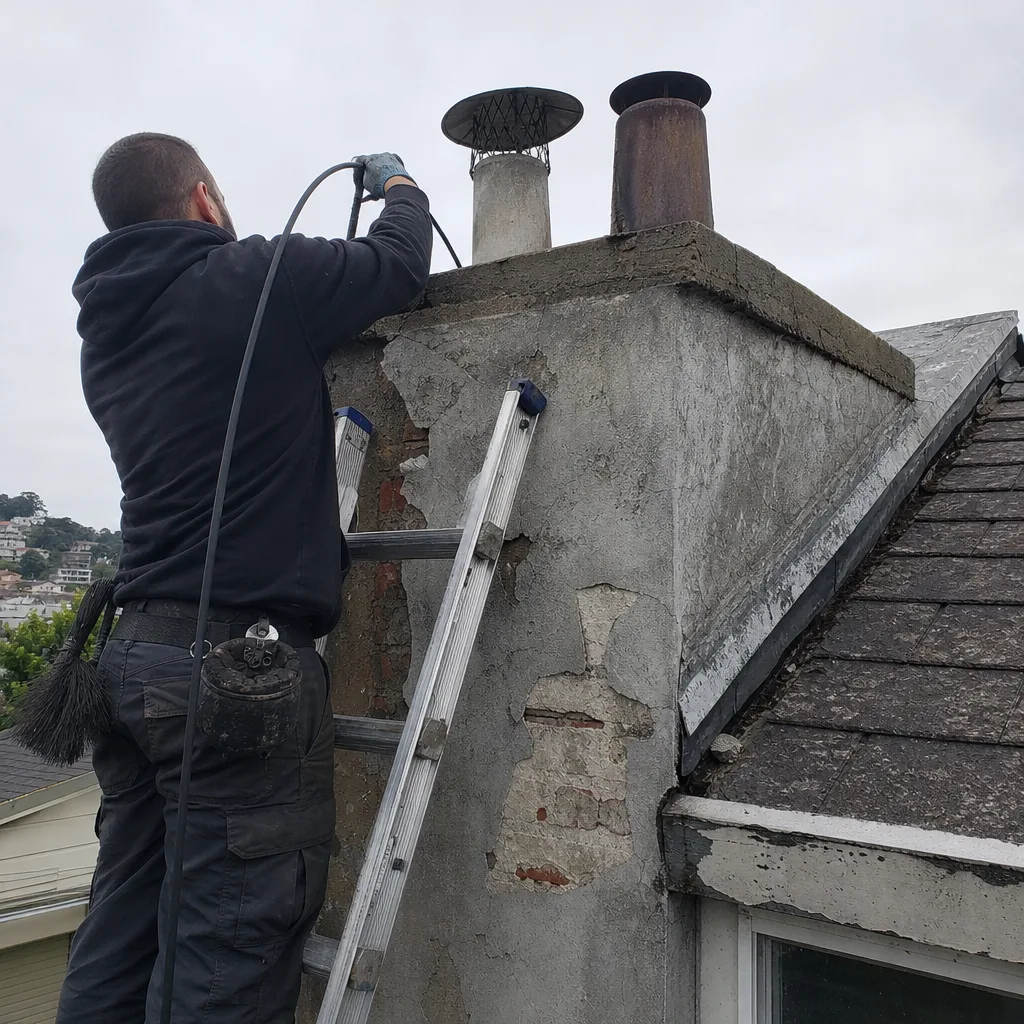 Before
 After
 Before
 After