
Last updated November 3, 2026
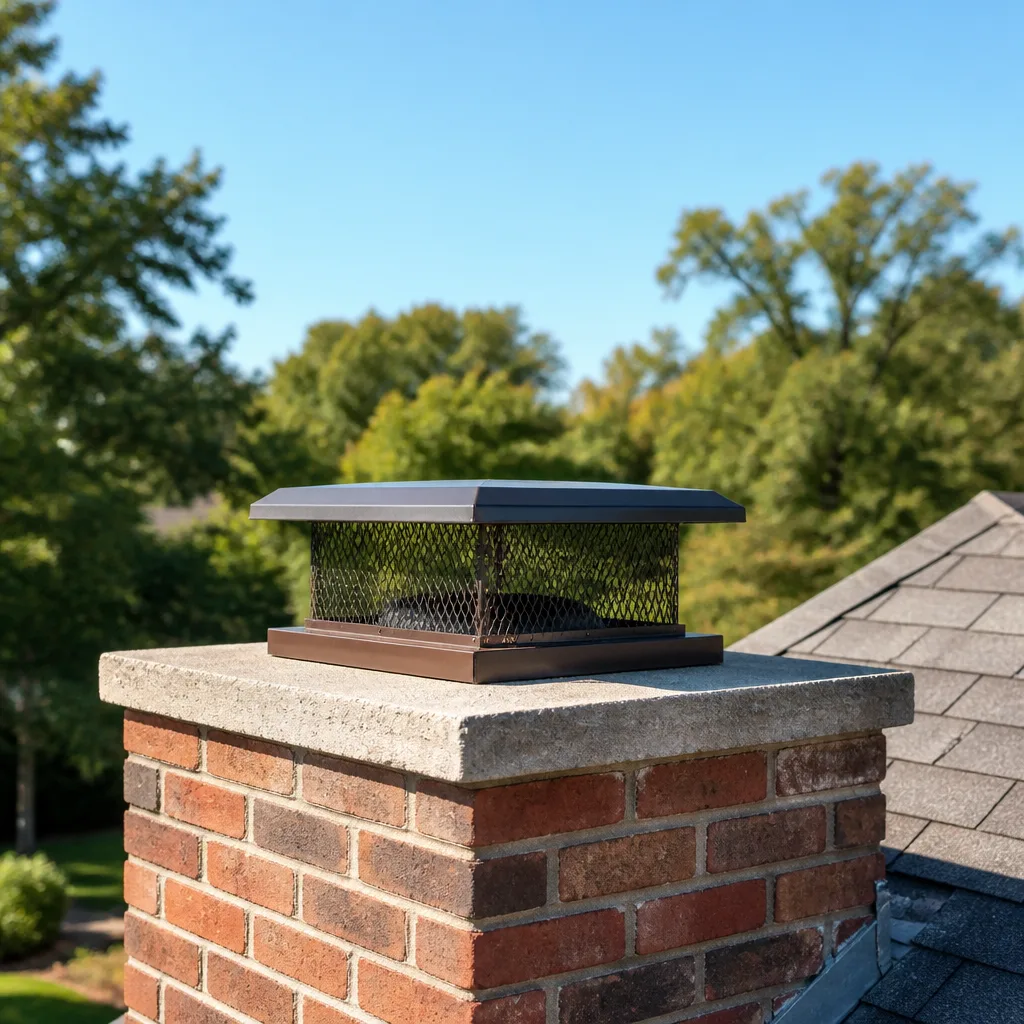 Sweep & inspection
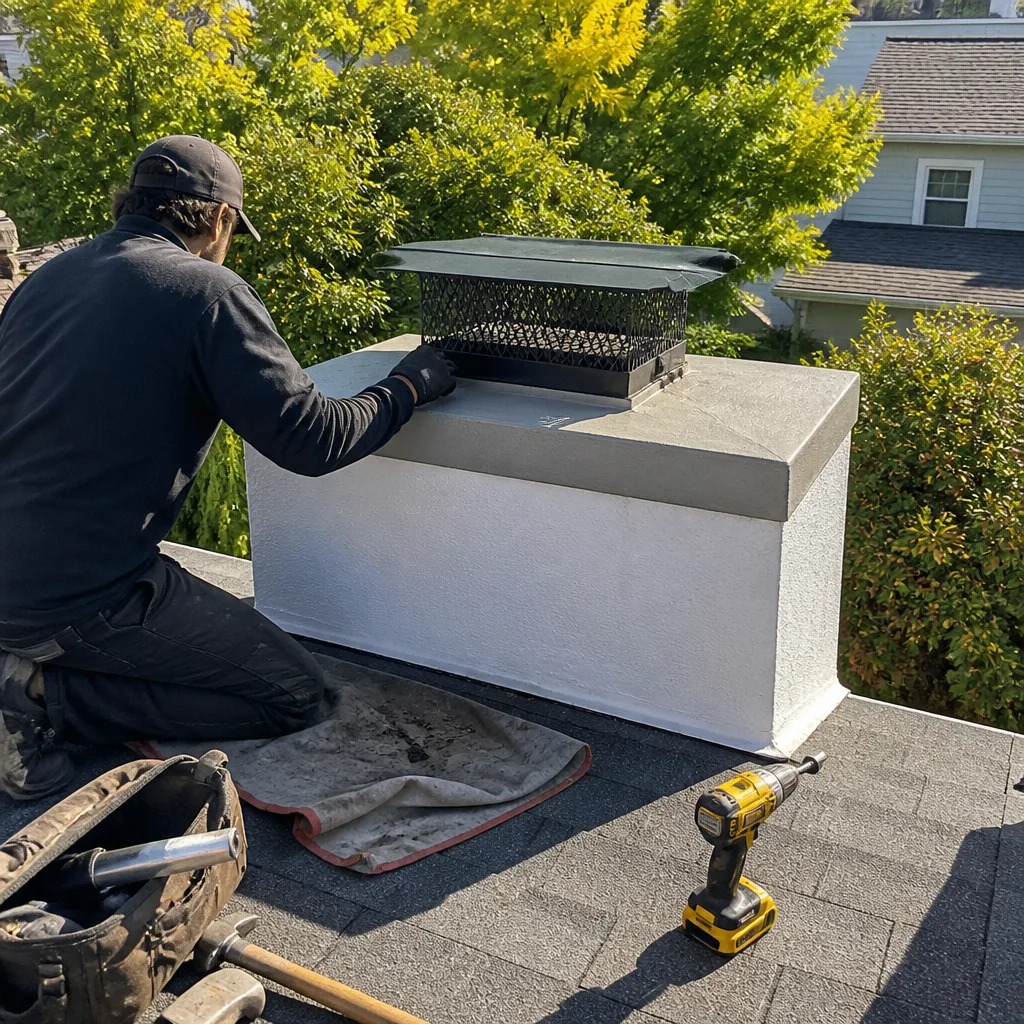
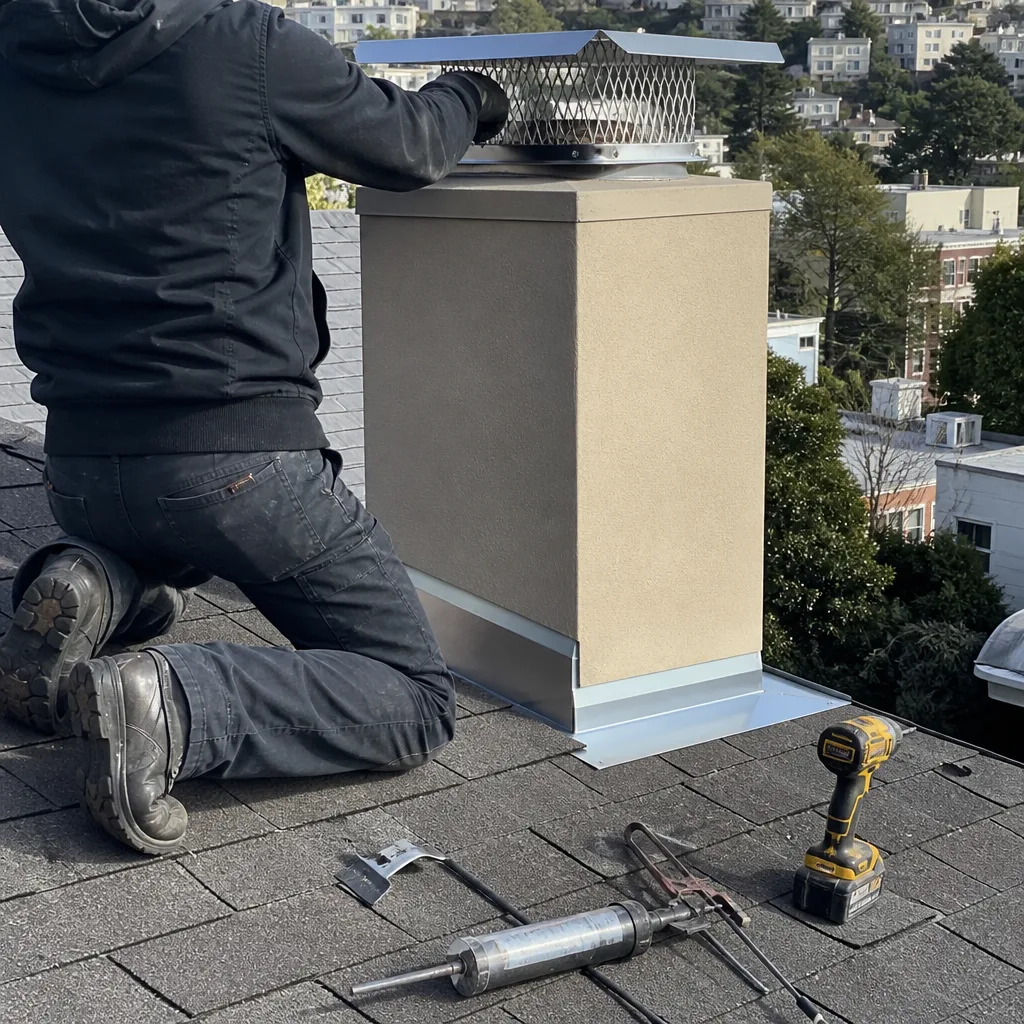
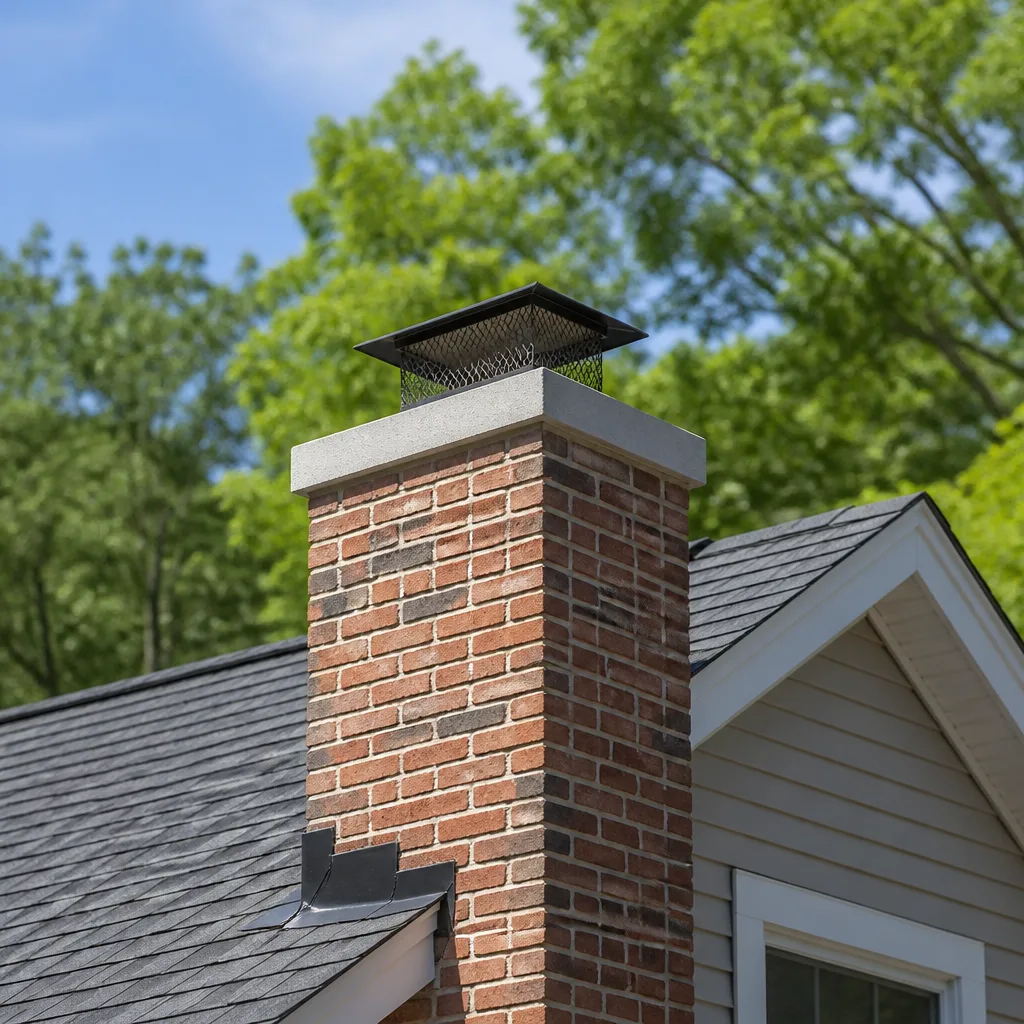 Caps & crowns
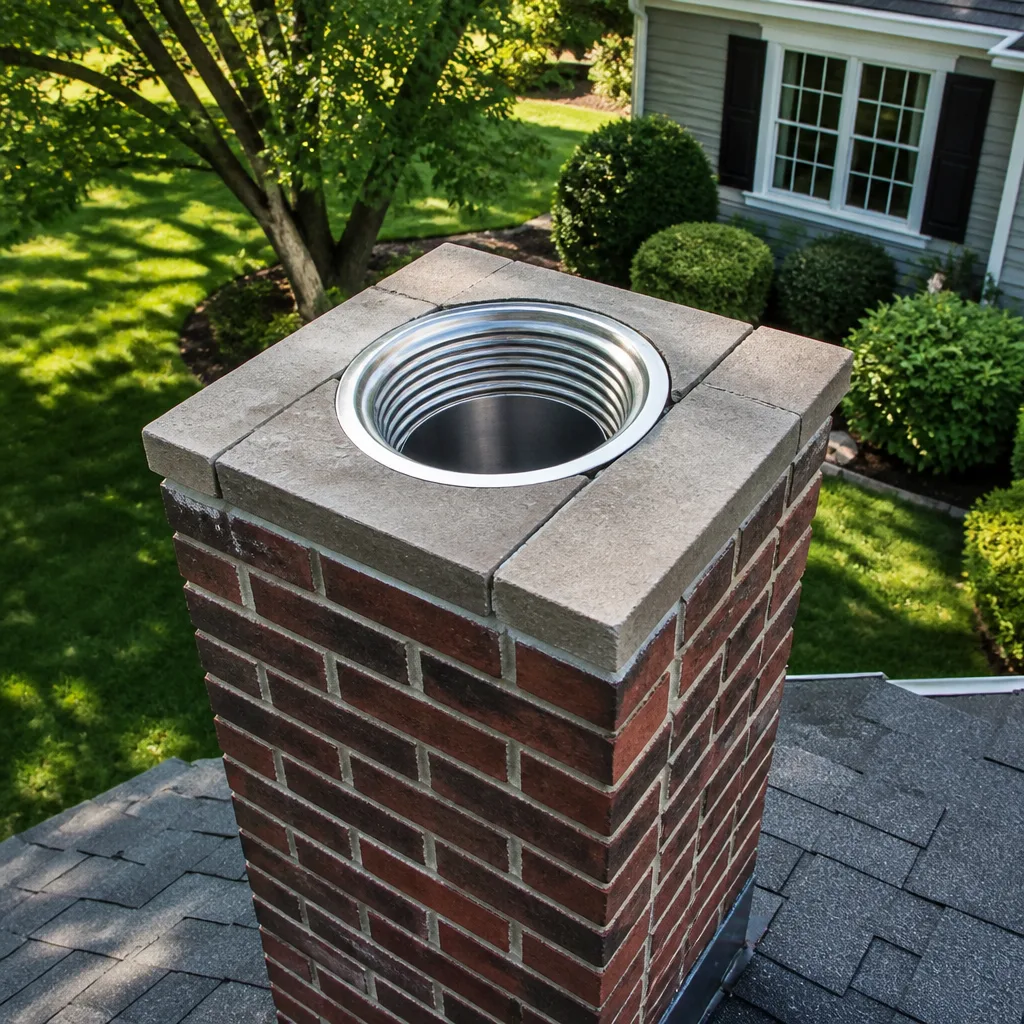 Flue relining
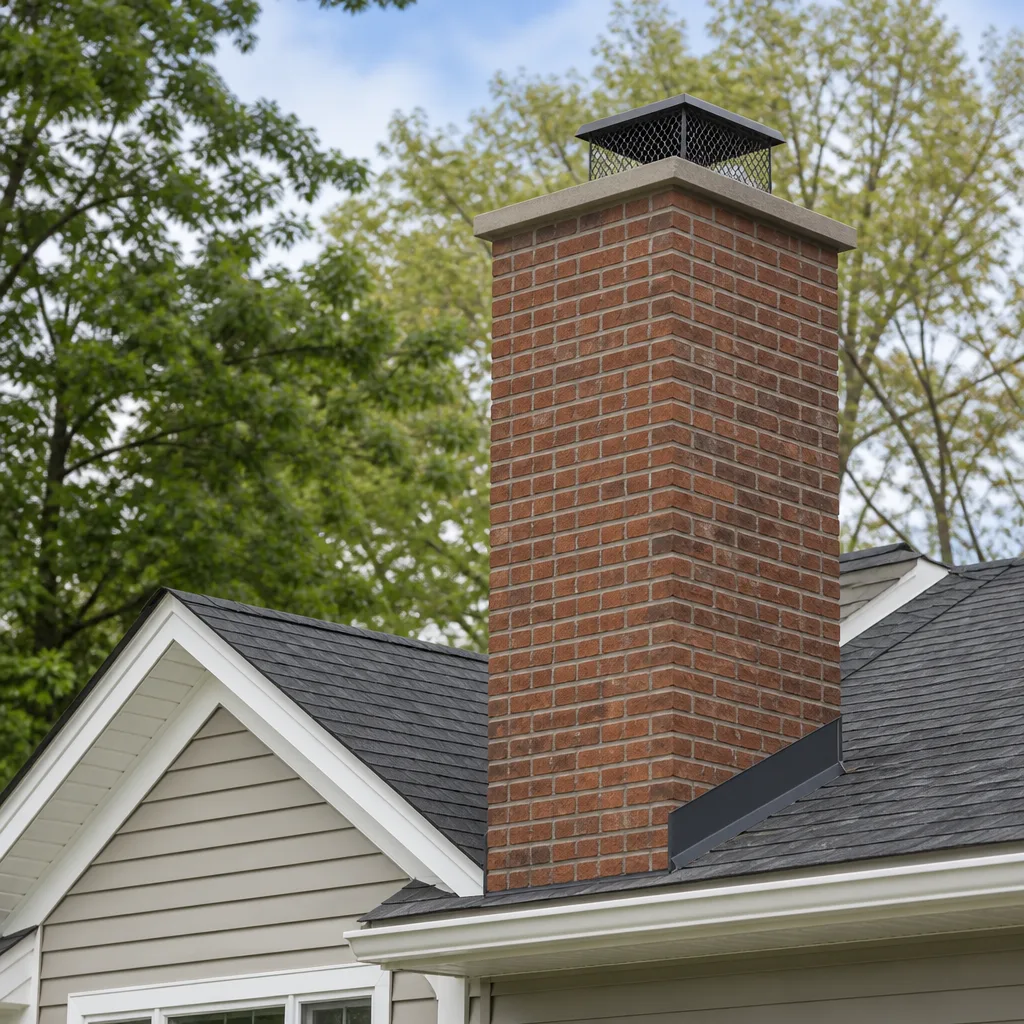 Masonry repair
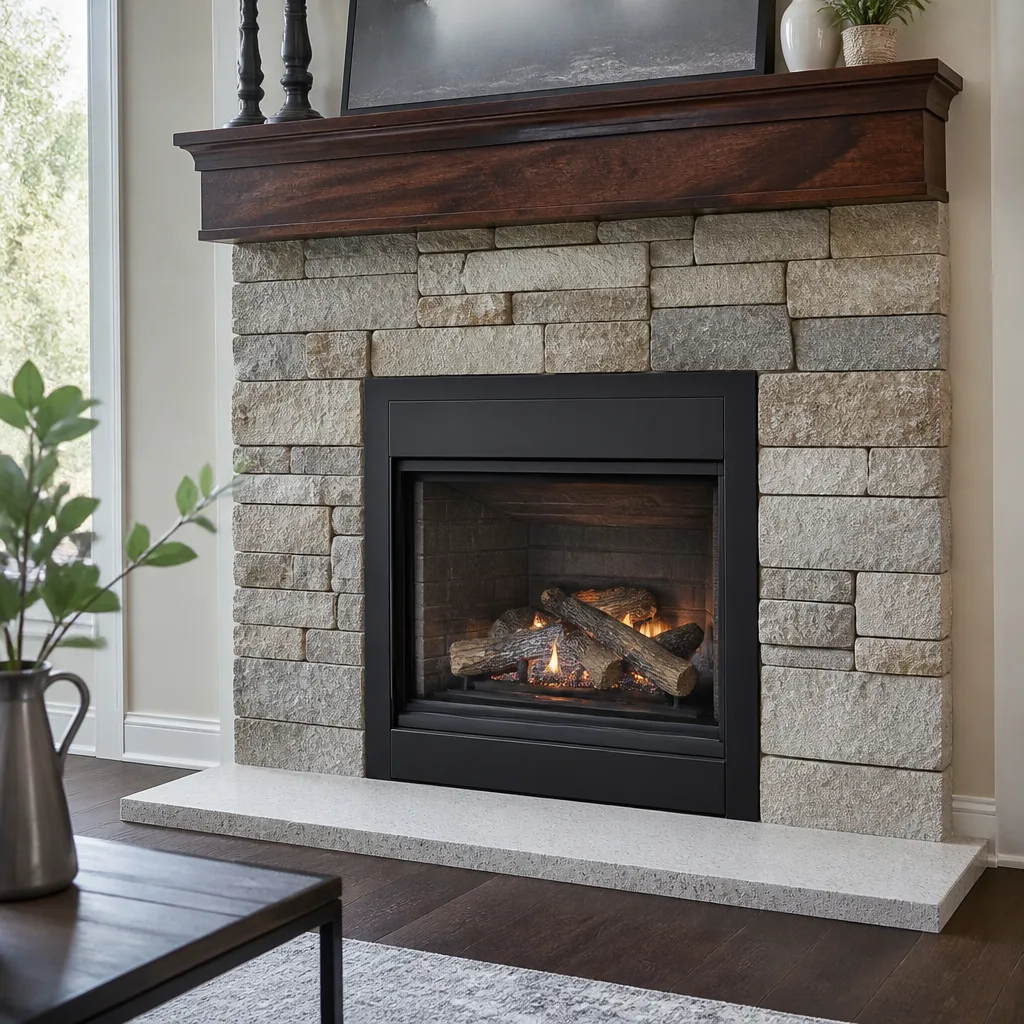 Gas fireplace service
Level 1 sweep and inspection to the NFPA 211 annual standard - flue, crown, cap, and flashing checked and photographed
Chimney sweep logs do not sweep chimneys. They loosen some creosote - which then falls where a brush and vacuum still have to collect it.
The Complete Chimney Sweep Guide for Bernal Heights Homeowners
Most Bernal Heights chimneys haven’t been inspected since the last owner signed the deed, and in a neighborhood where homes routinely stay in one family for 20 or 30 years, that gap adds up to a structural hazard hiding in plain sight. The marine fog that rolls over the hill every summer isn’t just atmospheric character. It’s a moisture delivery system that works on your mortar joints and flue liner 300 nights a year. Our Chimney Sweep services guide will walk you through what a legitimate sweep actually involves in Bernal Heights, from firebox to cap, so you can evaluate whether the work was genuinely done or whether someone just ran a brush through and handed you a bill.
Styles & brands we work with
- Sweep & inspection
- Caps & crowns
- Flue relining
- Masonry repair
- Gas fireplace service
Quick Answer
A chimney sweep in Bernal Heights typically costs $200 to $350 for a standard Level 1 cleaning and inspection, takes 60 to 90 minutes, and should include a written report documenting creosote stage, liner condition, cap and crown status, and any clearance issues. Homes in this neighborhood with pre-1940 construction often need a Level 2 camera inspection instead, which runs higher because the fog-driven moisture exposure creates failure modes a visual-only sweep will miss.
Table of Contents
- What a Bernal Heights Chimney Sweep Actually Involves
- Why Fog and Salt Air Hit Bernal Heights Chimneys Harder
- Level 1, Level 2, Level 3: Which Inspection Applies to You
- Offset Flues and Missing Liners: The Bernal Heights Victorian Problem
- How to Read a Sweep Report Without a Technician Translating It
- What a Sweep Costs in Bernal Heights, Line by Line
- Creosote Stages and What Each One Means for Your Fireplace
- Common Mistakes to Avoid
- When to Call a Professional
- Frequently Asked Questions
- The Bottom Line
What a Bernal Heights Chimney Sweep Actually Involves
A real chimney sweep is a diagnostic process, not a brush on a stick. When we sweep a chimney in Bernal Heights, we’re checking the entire exhaust path: the firebox where combustion happens, the smoke chamber that narrows the flow, the flue liner that contains heat and gases, the crown that seals the masonry at the top, and the cap that keeps rain, birds, and debris out. Each component fails in its own way, and the fog belt accelerates several of those failures.
A proper sweep follows this sequence:
- Site protection: Drop cloths around the fireplace, a vacuum running with a HEPA filter, and sealing the firebox opening so soot doesn’t enter the living space.
- Visual assessment: The technician looks at the firebox walls, damper operation, smoke chamber, and flue entry before any brush goes up.
- Mechanical brushing: Wire or poly brushes sized to the flue dimensions, run from the top down or bottom up depending on access, dislodging creosote deposits.
- Flue inspection: After brushing, the flue gets examined with a flashlight and mirror, or a camera if the technician sees something questionable.
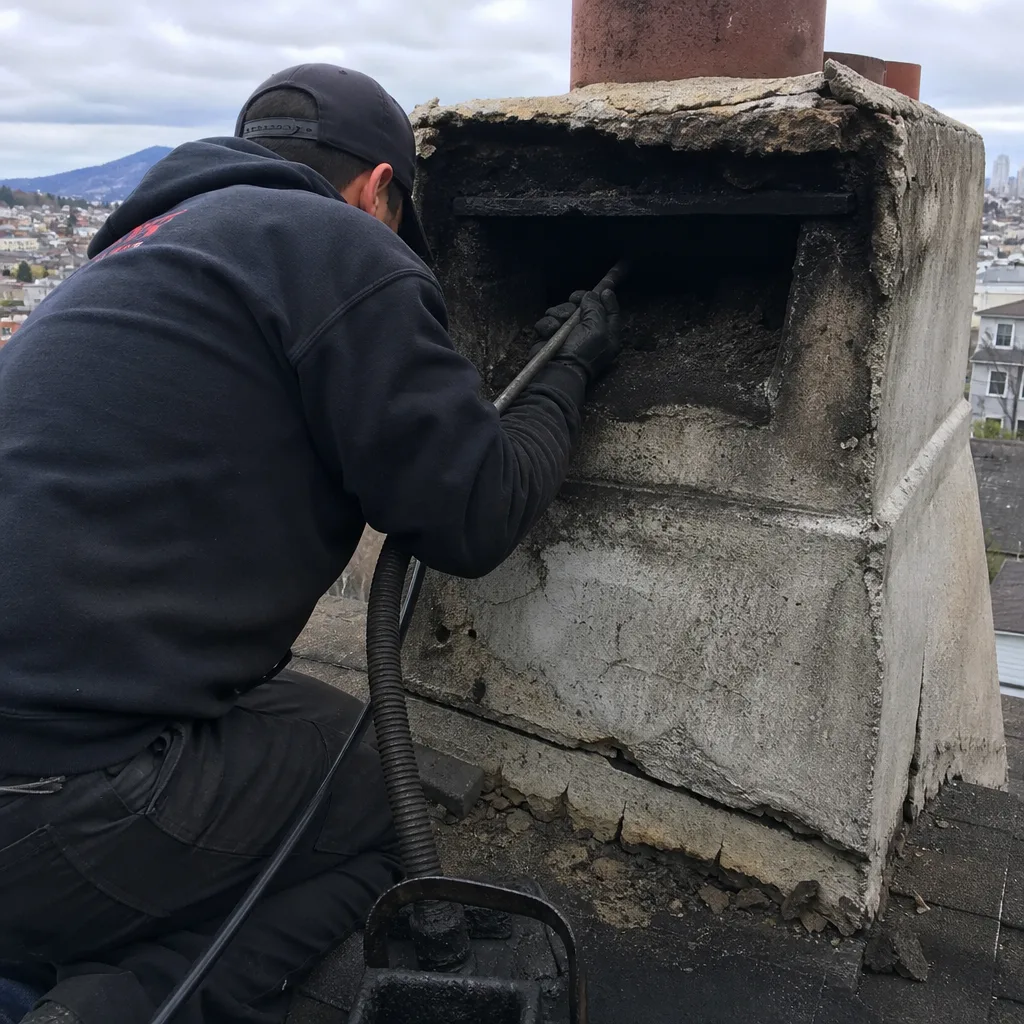
- Cap and crown check: Exterior examination of the termination point, looking for cracked mortar, rusted caps, missing spark arrestors, or animal entry.
- Report documentation: A written summary of what was found, what was cleaned, and what needs monitoring or repair.
What you should not end up with is a technician who brushes the flue for 20 minutes, says “looks good,” and hands you a carbon copy receipt. In Bernal Heights specifically, where housing stock ranges from 1890s Victorians to 1960s stucco boxes, the variance in chimney construction means a one-size-fits-all sweep skips real problems. We’ve seen unlined brick flues in homes near Precita Park that hadn’t been documented as unlined since the original construction. A sweep that doesn’t flag that is a wasted visit.
Why Fog and Salt Air Hit Bernal Heights Chimneys Harder
Bernal Heights sits directly in the path of the marine layer that streams through the Golden Gate and blankets the eastern slopes every summer evening. That fog isn’t clean moisture. It carries salt aerosol from the Pacific, and when it condenses on brick and mortar, the water soaks into the porous masonry. Then the afternoon sun burns it off, the salts crystallize inside the mortar’s pore structure, and the expansion pops the bond between brick and mortar incrementally. Over a decade, that cycle turns sound mortar into sand.
What that means for your chimney: accelerated spalling (brick faces flaking off), stepped cracks along mortar joints, and a crown that crumbles around the flue tile. The damage pattern is different from what you’d see in, say, inland Sacramento or Walnut Creek, where thermal expansion from hot summers drives most failures. Here, the primary driver is moisture cycling combined with salt crystallization.
Liner corrosion follows a similar logic. Clay tile liners in Bernal Heights homes exposed to decades of fog-driven moisture develop flaking and spalling on the interior flue surface. Once the smooth interior face is compromised, creosote adheres faster, and the tile loses its heat resistance rating. Stainless steel liners hold up far better against moisture than clay or terra cotta, which is one reason we use DuraFlex liner systems when a relining is warranted, rather than pushing a full masonry rebuild that the structure may not need.
The practical takeaway: if your Bernal Heights chimney hasn’t been inspected in five or more years, assume the fog has been working on it. Not dramatically. Not urgently. Just steadily. And a professional sweep is the cheapest way to find out exactly how much damage that steady pressure has done before it becomes a five-figure repair. For a deeper look at the process, see The Complete Guide to Chimney Cleaning in Bernal Heights.
Level 1, Level 2, Level 3: Which Inspection Applies to You
The National Fire Protection Association standard, NFPA 211, defines three levels of chimney inspection, and virtually every legitimate sweep in Bernal Heights follows this framework, whether they say so explicitly or not. Understanding the levels matters because it determines what you’re paying for and what the technician is actually obligated to examine.
Level 1: A visual inspection of the readily accessible portions of the chimney interior and exterior. This is what comes with a routine annual sweep when nothing has changed since the last service: same appliance, same fuel, same usage pattern. The technician confirms the flue is unobstructed, the basic structure is sound, and the creosote buildup is at a safe level.
Level 2: Everything in Level 1, plus examination of accessible attic, crawl space, and basement portions of the chimney, and a video camera scan of the flue interior. NFPA 211 requires a Level 2 inspection whenever a property changes hands, when the chimney has been subjected to an event like a chimney fire or earthquake, or when the appliance or fuel type is being changed. If you bought a Bernal Heights home in the last few years and never had a Level 2 inspection, you don’t actually know the condition of your flue liner.
Level 3: Everything in Levels 1 and 2, plus removal of portions of the chimney structure to access concealed areas. This is invasive and only warranted when a Level 2 inspection reveals suspected hazards that can’t be confirmed without destructive access. A Level 3 is rare outside of chimney fire investigations or major structural failure cases.
For most Bernal Heights homeowners, the relevant decision is between Level 1 and Level 2. If you’ve lived in your home for years, use the fireplace regularly, and haven’t changed anything, a Level 1 sweep is appropriate. If you bought the home within the last two or three years and never had a video scan, or if you’re switching from a wood-burning setup to a gas insert, you need Level 2. The camera footage from a Level 2 inspection is something you should ask to see, not just hear about.
Offset Flues and Missing Liners: The Bernal Heights Victorian Problem
Here’s a pattern we encounter regularly in Bernal Heights: a 1905 or 1910 Victorian with a chimney that was originally built for coal, later converted for wood, and never lined. The flue is raw brick, the path from firebox to cap has an offset bend because the chimney was routed around roof framing, and the mortar in that offset section is degraded from years of condensation. A homeowner calls for a routine sweep, and a technician who only runs a brush misses everything.
This is why we won’t sweep an older Bernal Heights chimney blind. Before brushes go up, we do a visual assessment, and if the construction suggests an unlined or offset flue, we run a camera first. Sweeping an unlined chimney with degraded mortar can dislodge brick fragments and create a blockage that didn’t exist before the sweep. Worse, it can expose gaps in the masonry that vent hot gases directly into wall cavities.
The fix isn’t always a full relining. In many cases, a HeatShield ceramic resurfacing treatment can restore a damaged clay tile liner without demolition, by applying a ceramic coating to the interior flue surface that seals cracks and restores thermal resistance. It’s faster than a full relining, costs significantly less, and for liner damage that’s moderate rather than catastrophic, it’s a durable solution. When the liner is too far gone, a stainless steel DuraFlex liner gets pulled through the existing flue, accommodating offsets that would be impossible with rigid pipe.
The point for a homeowner: if your Bernal Heights home was built before 1940 and you’ve never seen the inside of your flue on video, don’t assume a sweep will be routine. See our DIY vs Professional Chimney Cleaning: The Bernal Heights Homeowner’s Decision Guide to understand when to call a pro. Ask whether the technician will inspect before brushing, and ask whether the flue has a liner. Those two questions filter out half the industry.
How to Read a Sweep Report Without a Technician Translating It
A legitimate sweep report is a document you should be able to read and understand on your own. It’s not a legal contract or a medical record. If the report you receive only says “cleaned and inspected” with no specifics, you paid for a brush run, not a diagnostic service.
Here’s what a proper report should include, and what each item tells you:
- Creosote stage: NFPA 211 classifies creosote as Stage 1 (powdery soot), Stage 2 (glazed, flaky, or tarry deposits), or Stage 3 (hard, shiny, tar-like glaze). Stage 3 is a fire hazard and requires specialized removal methods. Stage 2 means the chimney needs attention soon. A report that doesn’t note the stage didn’t actually assess the creosote.
- Liner condition: For clay liners, look for notes on cracks, spalling, missing sections, or gaps between tiles. For stainless liners, look for corrosion, warping, or separation at the joints. If the report says “liner not visible” and you have an older home, that’s a red flag that the technician didn’t have or use a camera.
- Clearance issues: Any place where the chimney structure is too close to combustible framing. In Bernal Heights Victorians with balloon framing, this is a common finding and a genuine fire risk. The report should specify where the clearance violation is and what it means.
- Cap and crown status: Whether the cap is present and intact, whether the crown is cracked or missing mortar, whether the spark arrestor mesh is clear. Given the fog exposure on this hill, cap and crown issues are among the most common findings.
- Damper operation: Whether the throat damper opens and closes fully, whether it seals when closed, and whether the handle or mechanism needs repair.
If any of these items is absent from your report, you should ask for clarification. A technician who did the work can tell you the creosote stage from memory. If they can’t, the work wasn’t documented, which means it may not have been done thoroughly.
What a Sweep Costs in Bernal Heights, Line by Line
Chimney sweep pricing in Bernal Heights runs slightly above the regional average because of access difficulty: narrow staircases, steep roof pitches, and older chimneys that take longer to assess properly. Here’s a realistic breakdown of what you should expect to pay in this neighborhood as of 2025:
| Service | Typical Range | What It Includes |
|---|---|---|
| Level 1 sweep and inspection | $200 to $300 | Brushing, visual inspection, basic report, site protection |
| Level 2 sweep with camera scan | $350 to $500 | Everything in Level 1 plus video inspection, detailed report with photos |
| Cap replacement (standard) | $150 to $400 | Depends on cap size, material, and access difficulty |
| Crown repair | $400 to $900 | Resealing or rebuilding the mortar crown at the chimney top |
| HeatShield resurfacing | $1,800 to $3,500 | Ceramic liner restoration, pricing varies by flue height and condition |
| Full stainless relining (DuraFlex) | $3,000 to $6,500 | Full liner installation for unlined or failed flues |
The spread between a $200 sweep and a $6,500 relining is exactly why the inspection matters. Most of the time, a sweep is a sweep. But when it’s not, the difference between catching a liner problem early and catching it after a chimney fire is the difference between hundreds of dollars and tens of thousands.
We give flat pricing before work begins, and if the camera inspection reveals a problem that needs repair, you’ll see the footage yourself before anyone asks you to approve additional work. No one should be telling you that you need a new liner without showing you why, and in our experience, the homeowners who push back on that are the ones who end up making the right call.
Creosote Stages and What Each One Means for Your Fireplace
Creosote is the byproduct of incomplete wood combustion: smoke, water vapor, and unburned wood particles that cool and condense on the flue wall. The stage of creosote buildup tells you how efficiently your fires are burning, how frequently you should be sweeping, and whether you’re approaching a chimney fire risk.
Stage 1, powdery soot: This is normal for a wood-burning chimney that’s used occasionally and swept annually. It brushes off easily with a standard wire brush. It’s not a hazard by itself, but it’s the stage that progresses to worse stages if the chimney isn’t cleaned.
Stage 2, glazed or flaky deposits: The creosote has hardened into a tar-like coating or flaky layers. It’s harder to remove, may require rotary brushing or chemical treatment, and indicates that the fireplace is burning at lower temperatures than ideal. This is common in Bernal Heights because the cool, damp air outside means fires often burn with less draft, and cooler flue gases mean more creosote condensation.
Stage 3, hard glaze: A shiny, rock-hard coating that can be over an inch thick in severe cases. This is the stage where chimney fires happen. The glaze is essentially concentrated fuel, and once it ignites, it burns at temperatures that crack clay liners, warp stainless steel, and can breach into surrounding framing. Removal for Stage 3 is specialized: chemical treatment, heavy rotary cleaning, and sometimes multiple sessions.
If your sweep report says Stage 2 or Stage 3, the answer isn’t to light a hotter fire and hope it burns off. That’s how people end up with chimney fires. The answer is cleaning, and if the creosote is severe enough, evaluating whether the liner has been damaged by previous high-heat events. Camera footage will show that clearly.
Common Mistakes to Avoid
- Skipping the inspection on a newly purchased Bernal Heights home. Real estate transactions are supposed to trigger a Level 2 inspection under NFPA 211, but many buyers waive it in the rush to close. If you bought a house near Cortland Avenue and never saw flue footage, you’re gambling. Have the chimney swept and inspected in Bernal Heights before your first winter of fires.
- Assuming a gas fireplace doesn’t need sweeping. Gas inserts produce less creosote than wood, but they still vent combustion gases through a flue, and those gases include moisture and acidic condensate that corrode liners over time. A gas insert flue still needs periodic inspection, especially in older Bernal Heights homes where the existing chimney was sized for wood.
- Using the “clean out the ashes and light a fire” approach after 10 years of non-use. If the previous owner used the fireplace as a decoration, the flue could have animal nests, debris, or deteriorated mortar from years of fog condensation. Light a fire before an inspection and you risk a smoke backup into the living room or worse.
- Accepting a report that says “cleaned” with no details. A legitimate report documents creosote stage, liner condition, and cap status. “Cleaned and inspected, all good” is not a report. It’s a receipt.
- Ignoring the dryer vent because it’s “not a chimney.” Lint-clogged dryer vents are one of the leading causes of residential fires nationally, and in Bernal Heights homes where the dryer vents through an old wall or roof penetration, the exhaust path is often longer and more restricted than in newer construction. Dryer vent cleaning in Bernal Heights is a chimney technician’s job too, and it should be done annually for most households.
- Delaying a crown repair because the leak seems minor. A cracked crown lets water into the masonry, and in a fog-driven climate, that water doesn’t dry out as it would inland. What looks like a $400 reseal becomes a $4,000 rebuild if left for five years.
- Hiring based on price alone for a Level 2 inspection. A camera inspection is only as useful as the technician reading the footage. If someone offers a $99 sweep-and-inspection special, they’re not spending 90 minutes documenting your flue. You’re paying for a brush run, and in an older Bernal Heights chimney, that’s not enough.
When to Call a Professional
Chimney sweeping involves a brush running through a dark flue at height, with creosote dust and potential structural unknowns. It’s not a ladder-and-hardware-store job. Call a professional if you see smoke backing up into the room when the fireplace is lit, if you notice a strong odor coming from the fireplace in humid weather, if you see visible cracks in the firebox or exterior masonry, or if you bought your Bernal Heights home and have never had a Level 2 inspection. If your dryer takes longer than 45 minutes to dry a normal load, that’s a separate ventilation problem worth addressing on the same visit. When a sweep turns up damage that needs repair, you want a Chimney Sweep Bernal Heights home specialist who can handle the repair directly, not someone who hands you a referral and a shrug. Chimney Sweep Bernal Heights offers free estimates in Bernal Heights. Call (844) 745-4668 to schedule.
Frequently Asked Questions
A standard Level 1 sweep in Bernal Heights costs between $200 and $300, while a Level 2 sweep with camera inspection runs $350 to $500. The price reflects the local housing stock: steep roof pitches, narrow access, and older chimneys that take longer to assess properly. Call (844) 745-4668 for an exact quote, estimates are free.
The NFPA standard is annual inspection, with sweeping as needed based on use. A wood-burning fireplace used more than twice a week through the winter typically needs sweeping every year. An occasional-use fireplace or a gas insert may go two years between sweeps, but should still be inspected annually.
For older Bernal Heights homes with unlined or offset flues, a camera inspection is the only way to see liner damage that a visual check from the top or bottom will miss. If you bought the home recently and don’t know the chimney’s history, a Level 2 camera inspection is the appropriate standard, and it’s what NFPA 211 recommends after a real estate transaction.
Creosote builds from powdery dust to hard glaze, which becomes fuel for a chimney fire that burns hot enough to crack liners and breach into wall framing. Even without a fire, fog-driven moisture in a neglected Bernal Heights chimney works on the mortar and liner year-round, and the damage compounds quietly. The annual sweep is the cheap intervention that catches both problems.
It depends on the company. Some sweeps only clean and refer repairs elsewhere. A full-service operation like chimney repair in Bernal Heights can handle liner work, crown repair, cap replacement, and masonry repair without coordinating a second contractor, which means the problem gets addressed while it’s fresh and the flue is already clean.
The smell is creosote and soot absorbing moisture from Bernal Heights’s fog and releasing odor into the house, often made worse by a missing or damaged chimney cap that lets rain in directly. The fix is usually a sweep to remove the creosote source, and a cap replacement or damper repair to stop the moisture intrusion.
The Bottom Line
Chimney sweeping in Bernal Heights is a diagnostic process, and the value comes from what the technician can tell you about your flue, not from how fast the brush goes up. The fog that makes this neighborhood’s weather so mild is also the agent that degrades your mortar and liner faster than inland climates, which is why older Bernal Heights homes need more frequent and more thorough inspections. Get a Level 2 camera inspection if you’ve never had one, read the report with the skeptic’s checklist above, and don’t accept “cleaned and inspected” as the entire story. The chimney that looks fine from the firebox is often the one with a problem at the top, where the fog has been working on it for 30 years. The Chimney Sweep in Bernal Heights team handles sweeping, repair, and dryer vent cleaning under one roof, with materials like DuraFlex liners and HeatShield resurfacing on the truck when repairs are needed. Call (844) 745-4668 for a free estimate and a real look at what’s happening inside your flue.
Written by the team at Chimney Sweep Bernal Heights, serving Bernal Heights since 2016. Explore more guides & resources on chimney care.
See the difference
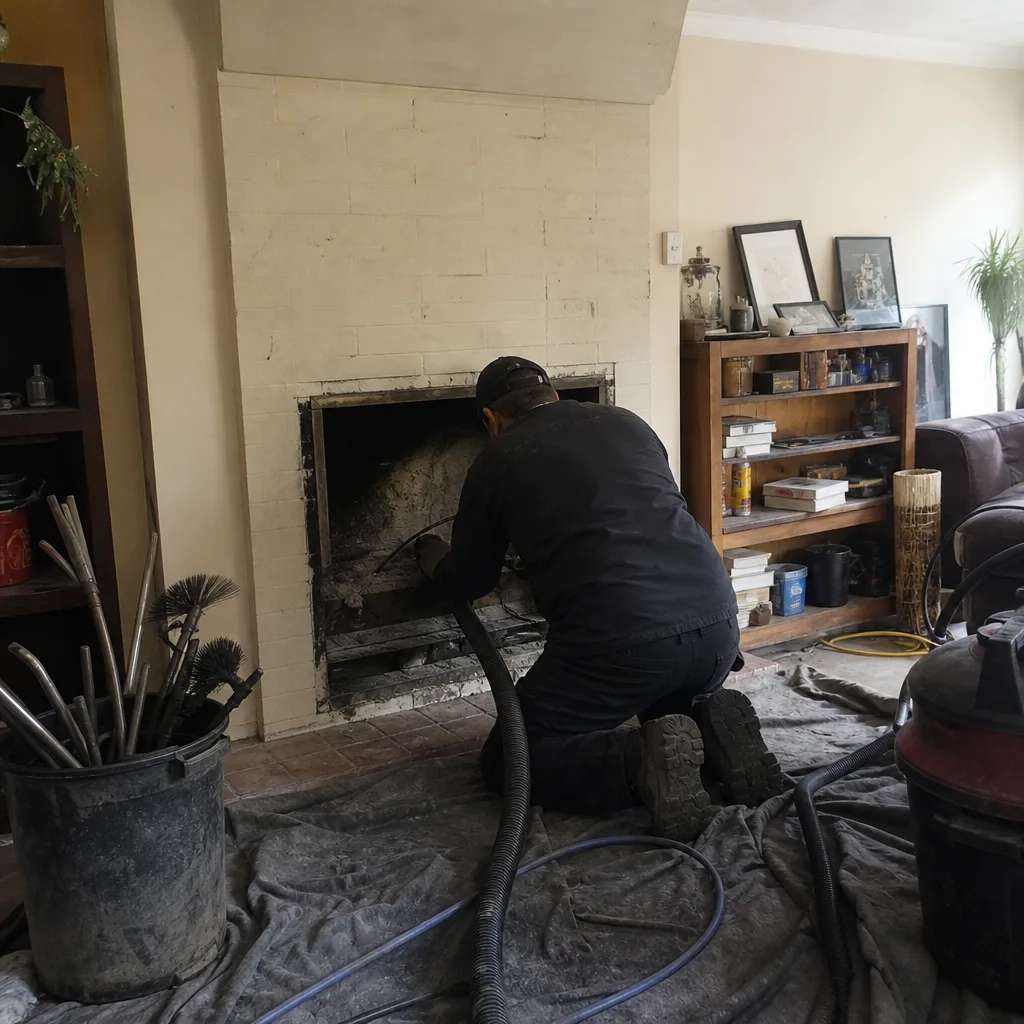 Before
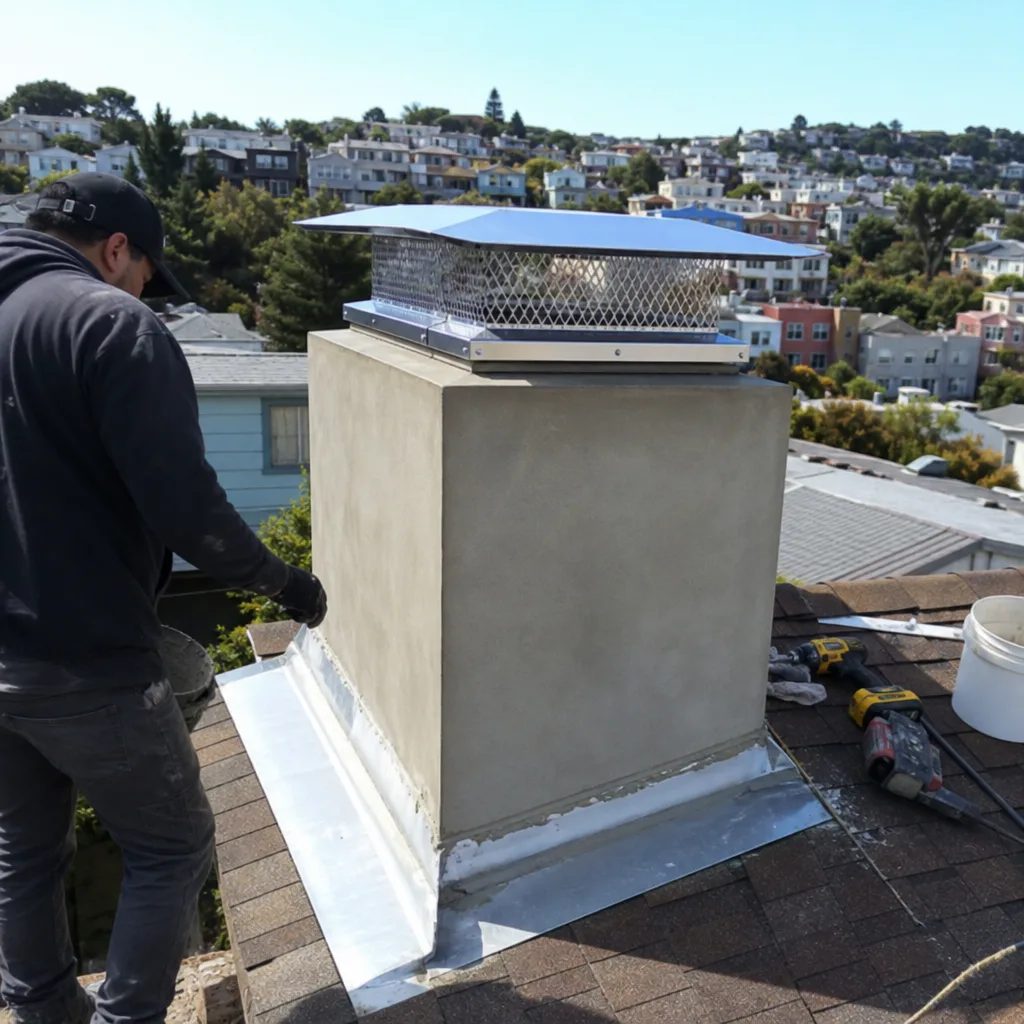 After
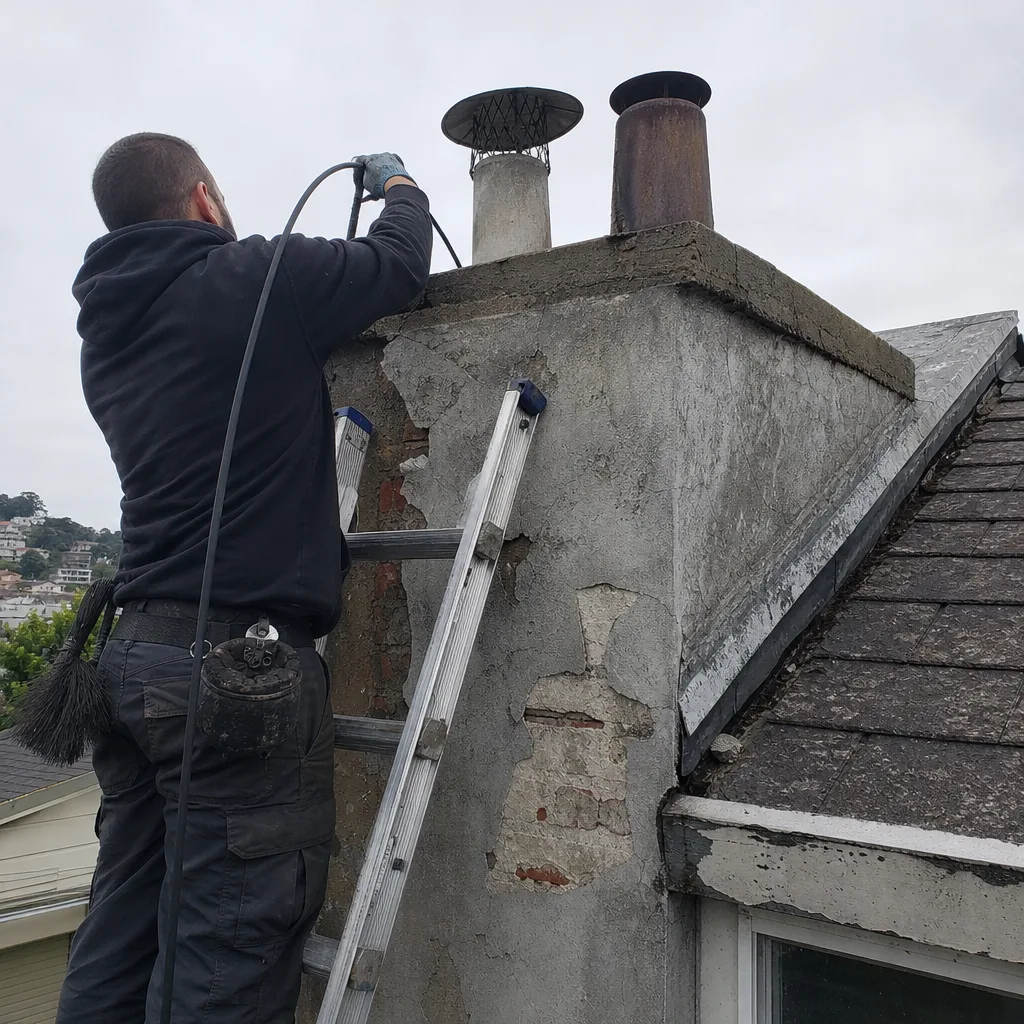 Before
 After
 Before
 After