
Last updated November 2, 2026
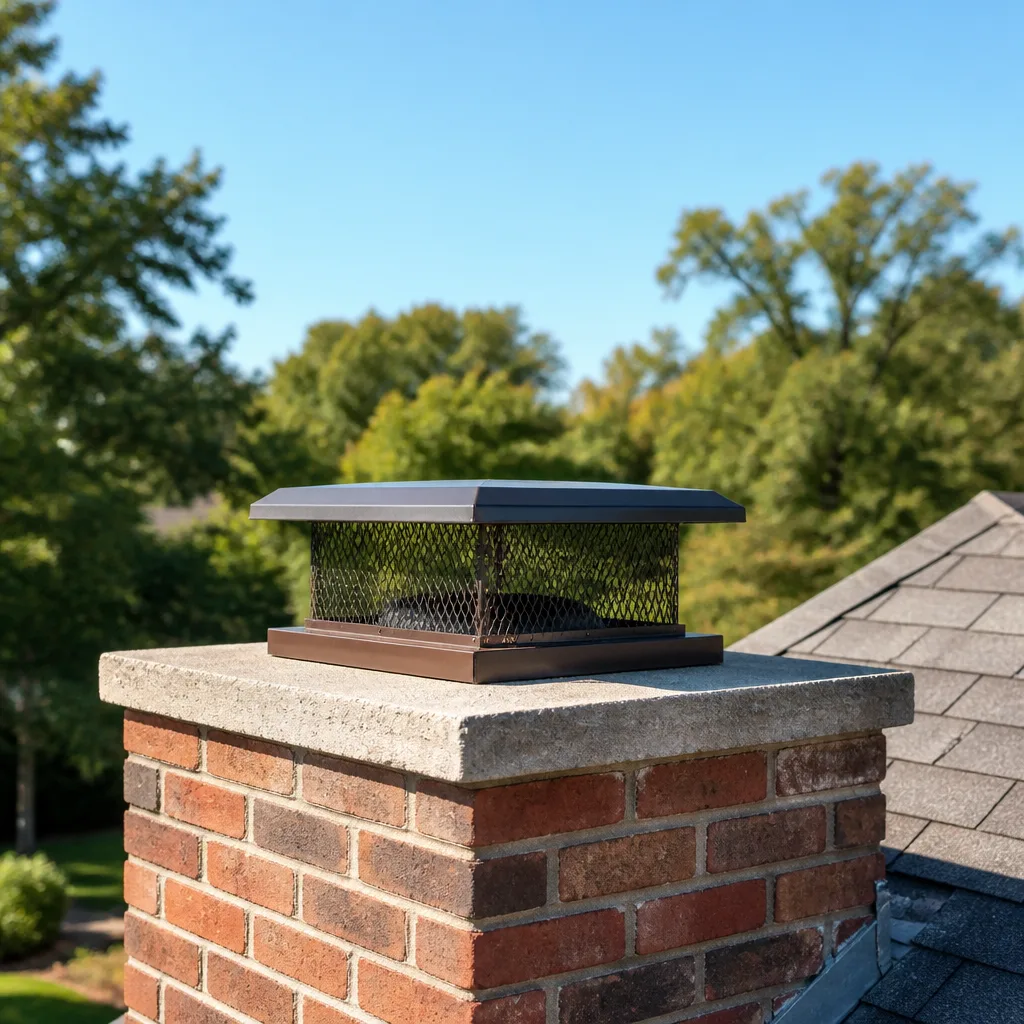 Sweep & inspection
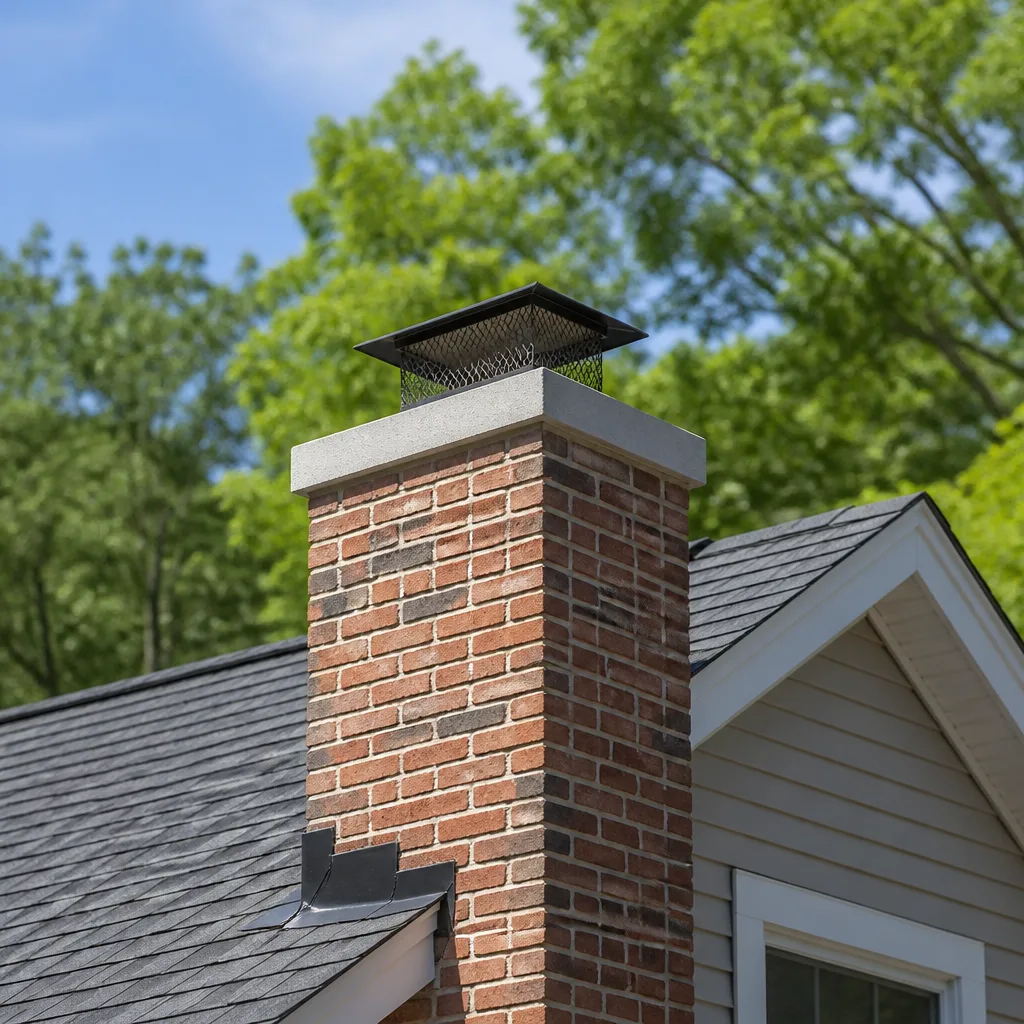 Caps & crowns
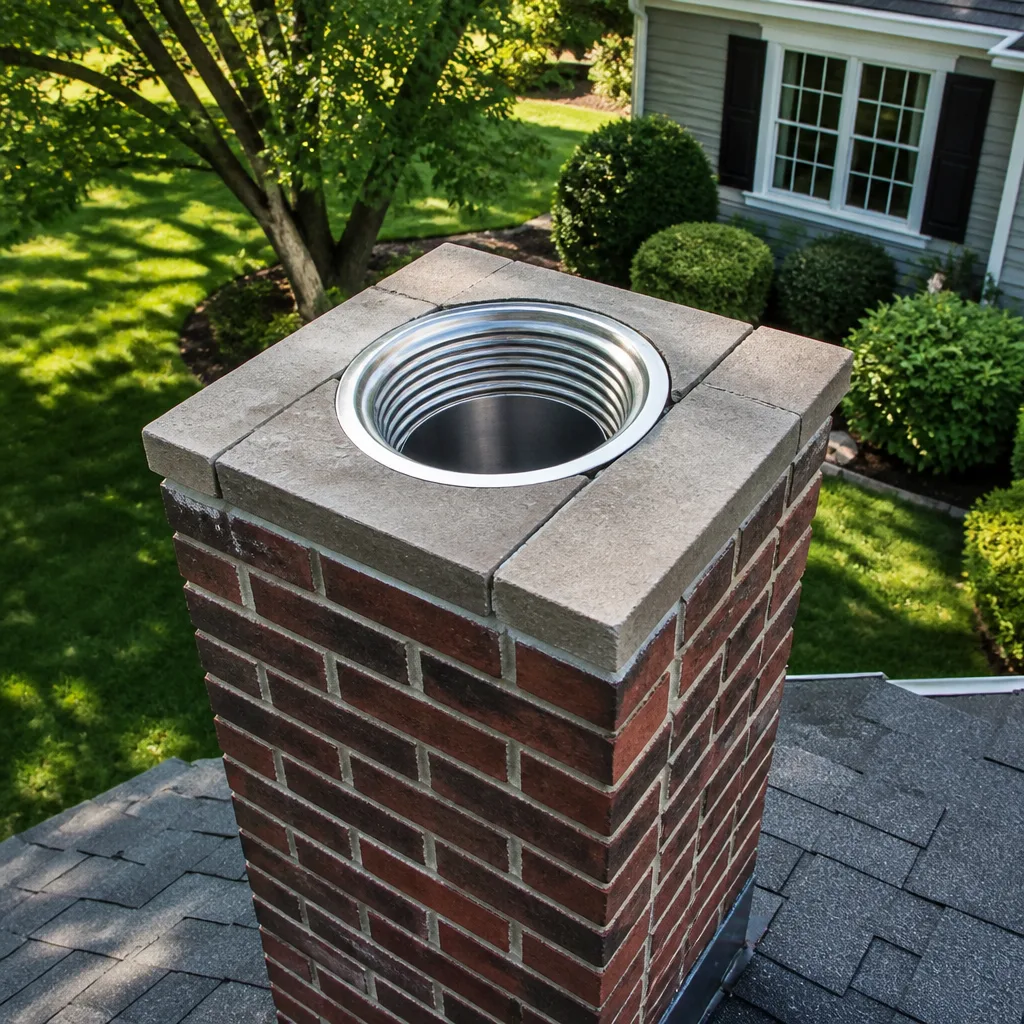 Flue relining
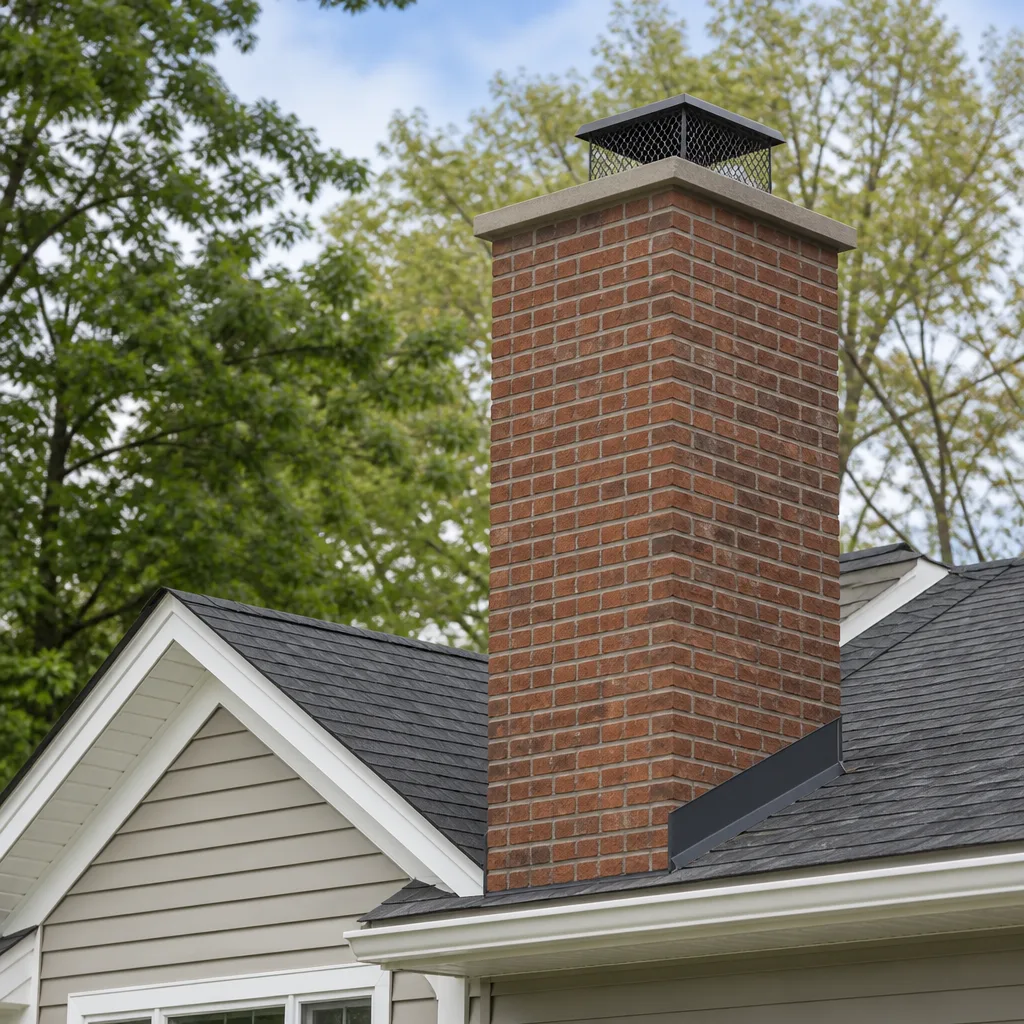 Masonry repair
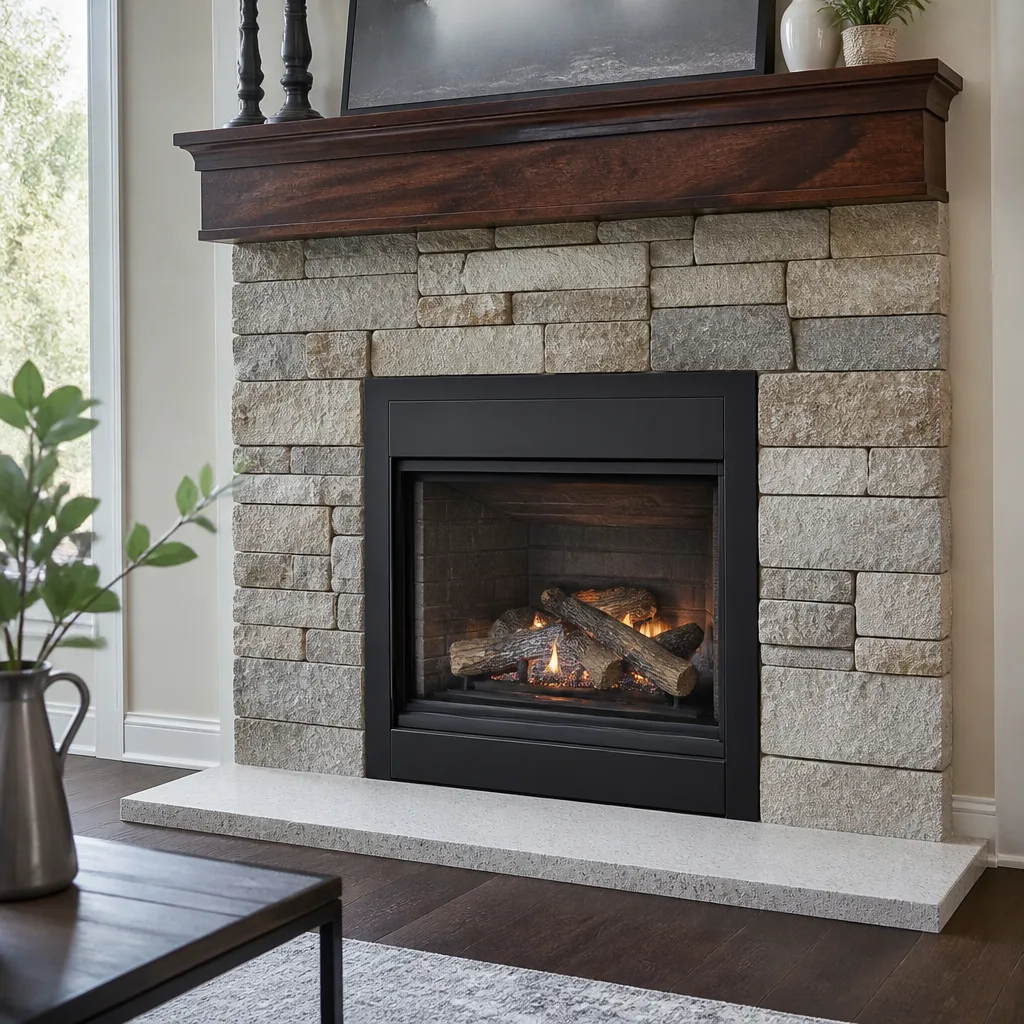 Gas fireplace service
Level 1 sweep and inspection to the NFPA 211 annual standard - flue, crown, cap, and flashing checked and photographed
Chimney sweep logs do not sweep chimneys. They loosen some creosote - which then falls where a brush and vacuum still have to collect it.
Seasonal Chimney Cleaning Care for Bernal Heights: Year-Round Homeowner’s Guide
Most chimney maintenance advice you’ll find online was written for people in Massachusetts or Minnesota, where October marks the start of a five-month heating season. Bernal Heights doesn’t work that way. Our chimneys sit idle from April through November, then face their real test during the wet season, when driving rain, fog saturation, and temperature swings do more damage than any winter freeze ever could. This guide maps chimney care to the actual climate cycle of Bernal Heights: the fire season, the wet season, and the two fog-heavy transition periods that most guides & resources ignore entirely.
Quick Answer
In Bernal Heights, the most important chimney maintenance happens in late February through March, after the peak rain season has ended but before the summer fog cycle begins. That post-rain window is when liner condensation damage, masonry spalling, and animal nesting are easiest to spot and cheapest to fix. A pre-season sweep in September or October is a secondary priority, not the main event. Schedule your primary annual sweep for late winter or early spring, and use the fall as a quick pre-fire verification window.
Styles & brands we work with
- Sweep & inspection
- Caps & crowns
- Flue relining
- Masonry repair
- Gas fireplace service
Table of Contents
- What Makes Bernal Heights Different: The Real Seasons That Affect Your Chimney
- Winter Damage: What the Wet Season Actually Does to Your Chimney
- The Post-Rain Sweep: Why March Beats October Every Time
- Summer Fog: The Overlooked Masonry Killer
- Fall Pre-Season Prep: What to Verify Before Your First Fire
- Managing a Dormant Chimney: Dampers, Caps, and Odor Control
- Animal Exclusion Timing: Nesting Cycles in Bernal Heights Chimneys
- The Dryer Vent Connection: A Seasonal Task Most Homeowners Miss
What Makes Bernal Heights Different: The Real Seasons That Affect Your Chimney
Bernal Heights sits in a unique microclimate within San Francisco. While the Mission and Noe Valley get afternoon sun that burns off fog quickly, Bernal’s western slope catches the marine layer as it pushes through the Twin Peaks gap, meaning homes on the west side of the hill see fog saturation patterns closer to the Sunset District than to Potrero Hill. East-facing homes dry faster. Both conditions create distinct chimney maintenance rhythms that a generic seasonal guide misses.
The climate cycle that matters for your chimney breaks down like this:
- Wet season (November through February): Heavy rain, high winds, and saturated air. This is when liner condensation peaks, crown cracks widen, and water intrusion causes flue tile spalling. Homes on the exposed western face of Bernal Height take direct wind-driven rain against their chimney crowns.
- Post-rain window (late February through March): The ground is still damp but the sky clears. This is the inspection and repair sweet spot. Water damage from the wet season is fully visible, and there’s enough clear weather ahead for masonry work to cure properly.
- Summer fog cycle (June through August): The marine layer in Bernal Heights creates overnight moisture and morning fog that burns off by afternoon. This repeated wet-dry cycling is the single biggest driver of efflorescence and crown wash erosion on masonry chimneys.
- Transition periods (April-May and September-October): These are the shoulder seasons. April and May bring clearing skies and the first dry stretch since fall, which is ideal for exterior repairs. September and October bring the return of light rain and the first sustained overnight fog since summer.
We’ve been working on chimneys throughout Bernal Heights and the broader San Francisco market for years, and we consistently see the same pattern: homes that get their chimney swept and inspected only in the fall show significantly more accumulated wet-season damage than homes that switch to a post-rain schedule, as detailed in our Chimney Cleaning Cost Breakdown: The Bernal Heights Homeowner’s Reference for 2026. The reason is simple. Water damage doesn’t announce itself immediately. It develops over months of saturation, and by October, what started as a hairline crown crack in December has become a spalled flue tile and a rusted damper assembly. Catching it in March means catching it before it compounds.
Winter Damage: What the Wet Season Actually Does to Your Chimney
Chimneys in Bernal Heights don’t face freeze-thaw cycling the way they do in the Sierra or the Midwest. We don’t get sustained freezing temperatures, so you won’t see the dramatic frost-driven spalling that homeowners in Truckee deal with. What we get instead is more insidious: prolonged moisture saturation with no freeze to break the cycle. Water soaks into masonry, sits in the flue system, and creates chemical and structural changes at a slower but relentless pace.
The specific damage patterns we see in Bernal Heights chimneys after the wet season include:
- Liner condensation corrosion: When warm indoor air meets a cold, rain-soaked chimney during the winter, condensation forms inside the flue. Over years, this acidic condensate eats away at terra cotta flue tiles, creating cracks and gaps. In gas appliances, the byproducts are even more corrosive. A liner that looked intact in September can show significant degradation by March.
- Crown hairline cracking: The concrete crown on top of your chimney takes direct rainfall, often for days at a time. Modern crowns in Bernal Heights are typically poured with a slight slope and a drip edge, but older homes, especially those built before the 1970s, often have flat crowns that pond water. Repeated saturation expands and contracts the concrete, and hairline cracks become channels for water.
- Flashing failure at the roofline: Bernal Heights homes sit on sloped lots, and many have roofs with complex angles around chimney penetrations. When heavy rain combines with wind, water gets driven under flashing that appeared watertight in dry weather. We find more flashing failures on the west-facing slope of the hill than anywhere else in the neighborhood.
- Interior staining and odor: The residential side effect of water intrusion in a chimney is a musty smell that comes through the fireplace opening, especially on damp days. Homeowners often mistake this for a cleaning issue, when it’s actually a water management problem.
One critical point: none of this damage is visible from the ground. A homeowner in Bernal Heights looking up at their chimney in February sees a brick structure. What they can’t see is the flue tile that’s spalled on the interior face, the mortar joint that’s washed out behind the crown, or the rust line forming on their damper assembly. That’s why the post-rain inspection matters. It’s not just a sweep. It’s the only way to actually see what the wet season left behind.
The Post-Rain Sweep: Why March Beats October Every Time
The conventional wisdom says sweep your chimney in the fall, before burning season starts. That advice assumes a heating season that runs from October through April. In Bernal Heights, most wood-burning fireplaces get used a handful of times each winter, usually between Thanksgiving and New Year’s, plus a few scattered evenings in January and February. Gas fireplaces are even more lightly used, often purely for ambiance.
Here’s the problem with the October sweep in Bernal Heights:
- Your chimney went uninspected through its period of maximum stress. The wet season does more damage to a dormant chimney than a burning season does to an active one. Scheduling your only inspection in October means you’ve gone through an entire winter of rain, wind, and saturation with no eyes on the flue system.
- You’re competing with everyone else. The few chimney companies that serve Bernal Heights book up heavily in September and October, because that’s when homeowners have been trained to call. Wait times stretch, and the quality of the appointment you get is squeezed by a packed schedule.
- March finds more problems, and finding them early saves real money. A cracked flue tile discovered in March gives you months of dry weather to schedule a repair properly. The same crack discovered in October pushes you into a rainy-season repair window, which is more difficult for masonry work and may leave your chimney exposed through another winter if you delay.
The post-rain sweep window is late February through the end of March. Here’s what should happen during that appointment:
- Full flue inspection with a camera system, looking specifically for wet-season damage: spalled tiles, cracked mortar joints, rusted dampers, and water stains that trace the path of intrusion.
- Creosote removal, even if the fireplace was only used a few times. A single evening of unseasoned wood can deposit a quarter-inch of creosote in certain flue configurations.
- Crown and cap assessment, including checking for debris that accumulated during winter storms and verifying that the termination cap survived wind events intact.
- Flashing inspection where the chimney meets the roof, especially on western and southern exposures that took the brunt of winter storms.
- Dryer vent evaluation, if the vent is incorporated into the same exterior chase or shares a wall cavity with the chimney system.
Switching to a post-rain schedule also aligns with a seasonal task most Bernal Heights homeowners don’t realize they have: Dryer Vent Cleaning in Bernal Heights. Winter air is humid, clothes are heavier, and dryers run longer cycles. Lint accumulation in a 4-inch vent line peaks after the wet season. A combined chimney and dryer vent appointment in March addresses both fire risks at once.
Summer Fog: The Overlooked Masonry Killer
Ask a homeowner in Bernal Heights what damages their chimney and they’ll say rain. They’re only half right. The summer fog cycle, the daily marine layer that rolls in around 7 PM and burns off by 10 AM, does a specific type of damage that most chimney guides completely miss: repeated wet-dry cycling on masonry surfaces.
Here’s what happens, in detail. A masonry chimney in Bernal Heights absorbs moisture from overnight fog every night for roughly 90 consecutive days. By morning, the brick and mortar are saturated at the surface level. Then the sun comes out, the temperature climbs, and the moisture evaporates. This cycle repeats daily. The effect is a slow, relentless wicking process that pulls mineral salts out of the mortar and brick.
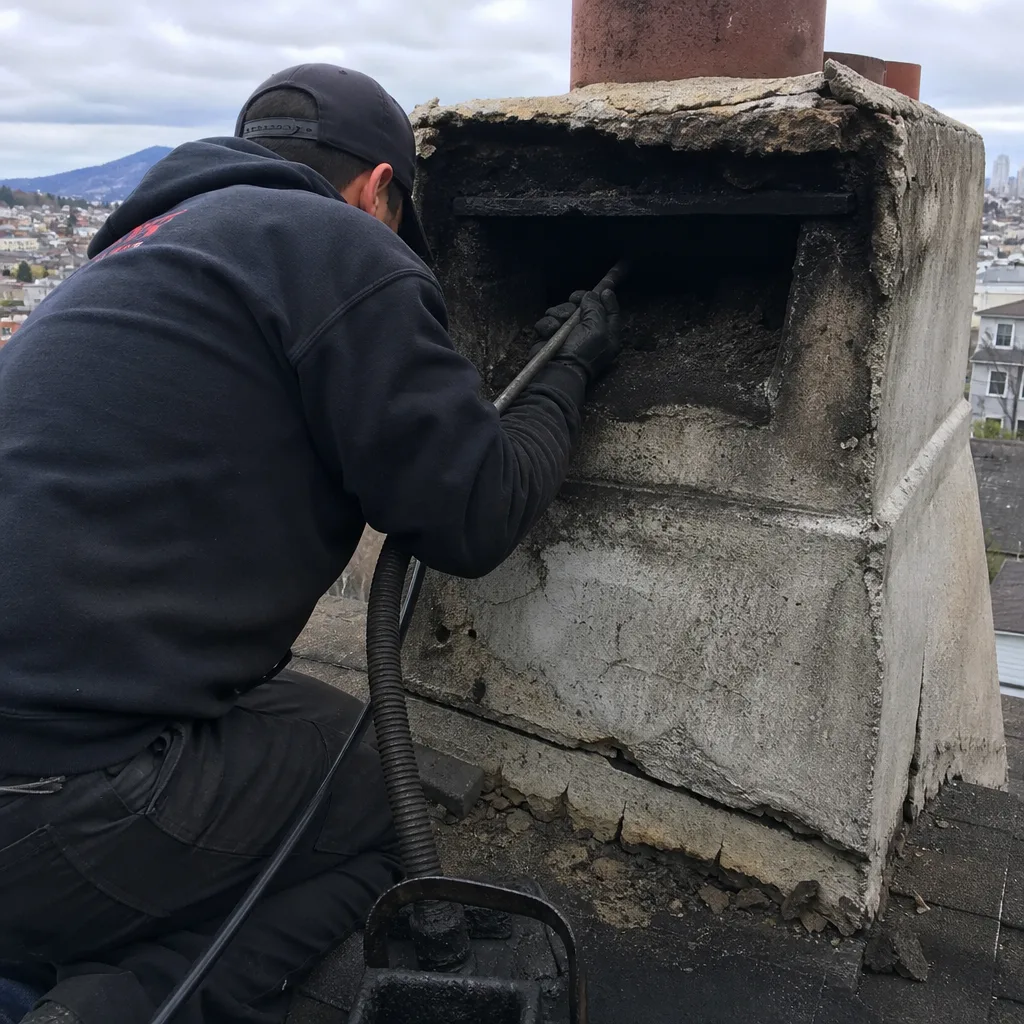
The visible result is efflorescence, the white, chalky powder that appears on chimney exteriors. Efflorescence isn’t just cosmetic. It’s evidence of water moving through your masonry, and repeated efflorescence cycles erode the mortar’s binding strength over time. On older Bernal Heights chimneys with lime-based mortar, we see accelerated deterioration that requires repointing far sooner than the same chimneys in inland locations would need. The fog effectively acts as a continuous moisture delivery system, even during months with zero rainfall.
More seriously, southern and western exposures take direct afternoon sun after a fog-soaked morning. That thermal shock, going from a fog-cooled 55 degrees to a sun-baked 75 degrees in a few hours, puts stress on crown-concrete and flashing joints. We’ve opened up chimney crowns in Bernal Heights that looked fine from below and found wash erosion patterns that only make sense when you account for the fog cycle. The crown’s drip edge, the small channel designed to direct water away from the chimney sides, gets clogged with fog-transported grime, and water begins running down the brick face instead of dripping clear. Once that happens, the crown is actively causing damage rather than preventing it.
What can a homeowner do about fog damage? Not much on their own. This is a materials-and-workmanship issue. The fix for a fog-damaged crown is properly sloped concrete with an effective drip edge, and the fix for fog-driven mortar erosion is professional repointing with a mortar matched to the original. But fog damage can be caught early during a spring inspection, and managing it at the first signs costs a fraction of what it costs to rebuild a chimney crown that’s been allowed to wash out over multiple summer fog cycles.
Fall Pre-Season Prep: What to Verify Before Your First Fire
By the time September arrives in Bernal Heights, the summer fog cycle is winding down, the first light rains are starting, and homeowners who use their fireplaces are thinking about the first fire of the season. If you followed a post-rain sweep schedule in March, your fall prep should be light. But it shouldn’t be zero. Here’s the pre-season checklist for Bernal Heights homes:
- Visual check of the chimney cap and crown from the ground. Look for anything that would catch your eye: missing cap pieces, a visible crack running down the brick face, or a cap that’s sitting at an angle. If you see something, call before the rain picks up.
- Test the damper. Open and close it fully. If it’s stiff, rusted, or no longer seals completely, the fix is often a damper replacement, which is a routine repair. A damper that won’t fully close means conditioned air escapes up the chimney all winter and cold air drops in whenever the fireplace isn’t running.
- Clear the firebox. Remove old ash from last season. Ash is acidic and absorbs moisture, and a pile of damp ash sitting against your firebox walls all winter can accelerate deterioration of the refractories. A clean firebox also lets you see cracks or gaps that need attention.
- Verify you have a carbon monoxide detector in the room. This is a no-excuses safety item. A functioning CO detector is the difference between catching a blocked flue early and not catching it at all.
- Think about your wood. Burning unseasoned wood in a San Francisco fireplace with a modest draft creates creosote quickly. If you’re buying wood, ask for fully seasoned oak or madrone, and store it off the ground and covered. If you’re burning whatever’s available, expect to need a mid-season sweep.
The fall appointment, if you need one, should be a verification visit. We’re checking that nothing changed over the summer fog cycle, that the cap survived late-summer wind events, and that the flue is free of any debris that accumulated since spring. For most Bernal Heights homeowners who follow the post-rain schedule, the fall visit is quick and uneventful, which is exactly what you want.
Managing a Dormant Chimney: Dampers, Caps, and Odor Control
A Bernal Heights chimney sits dormant for most of the year. From April through November, the fireplace isn’t being used, and the chimney is effectively an open vertical shaft that connects your living room to the outside air, unless it’s properly sealed. The off-season is when most odor complaints, draft issues, and animal intrusion problems begin.
The first consideration is damper position. A traditional throat damper, even when closed, doesn’t seal tightly. Most throat dampers leak air at a rate that adds up over months. If your fireplace has a persistent draft or you feel cold air coming through the firebox in the summer, the fix is a top-sealing damper installed at the top of the flue. Top-sealing dampers are manufactured by companies like Famco and Olympia Chimney, both of which we use regularly on Bernal Heights homes. A top-sealing damper does two jobs: it stops conditioned air from escaping up the chimney, and it prevents fog-season moisture from entering the flue directly. For a dormant chimney in fog country, that second function is as important as the first.
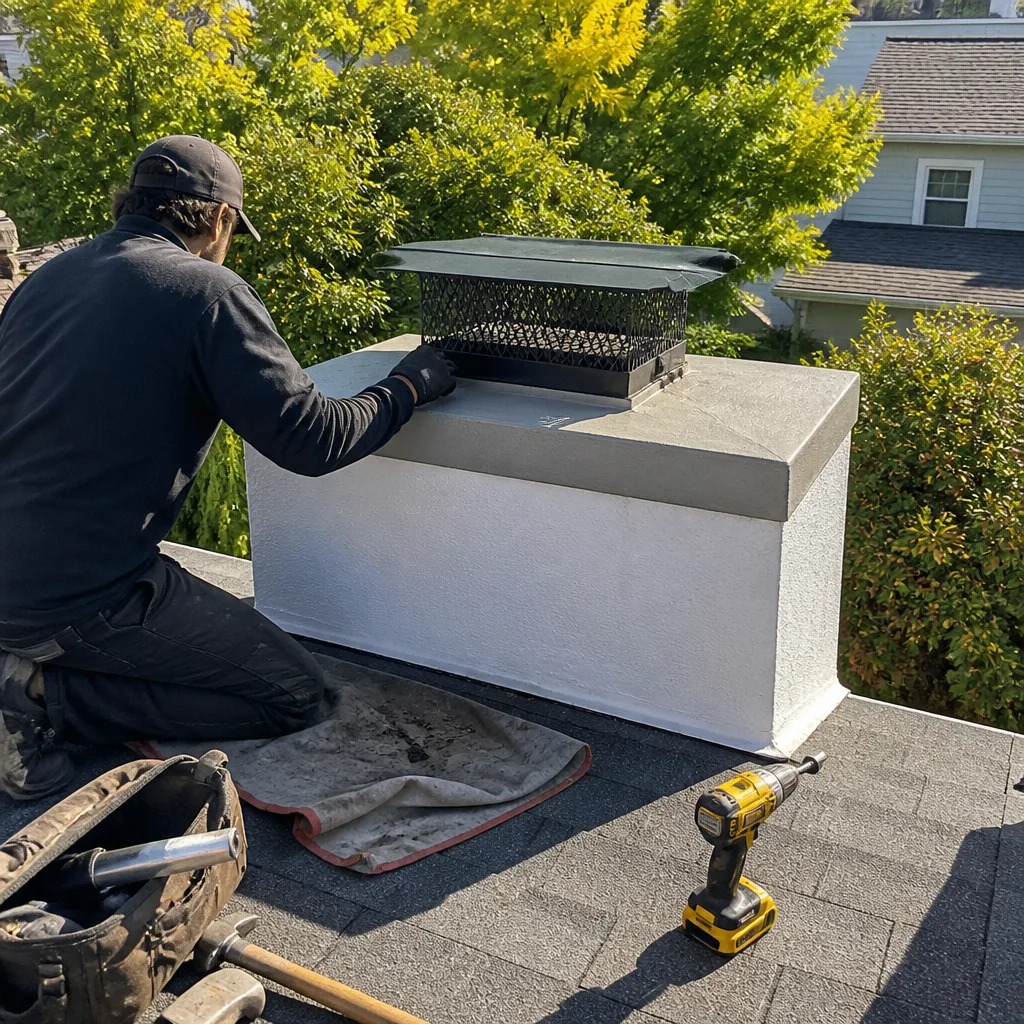
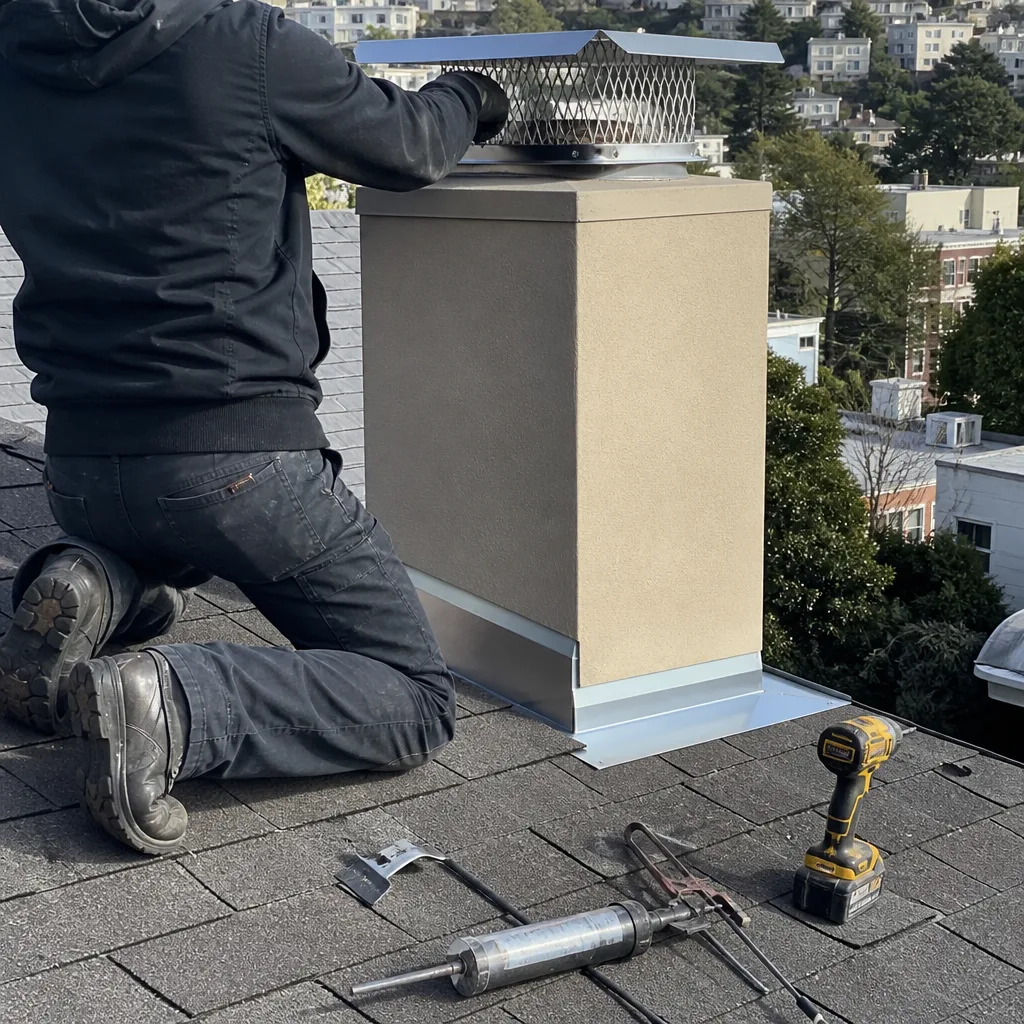
Second, the cap. An uncapped or incorrectly capped chimney is an open invitation for every bird and raccoon in Bernal Heights, not to mention a direct entry point for rain. A proper cap does more than keep animals out. It prevents rain from entering the flue directly, which is the single largest source of off-season water damage in a dormant chimney. The cap should have a mesh screen fine enough to exclude rodents but large enough to allow proper draft. The caps we install, typically from Famco or Olympia Chimney, are matched to the flue size and termination configuration, not whatever fits loosely over the top. A properly fitted cap is the difference between a dry flue and four inches of standing water at the smoke shelf.
Third, odor control. The classic Bernal Heights chimney odor is the musty, damp smell that wafts into the living room on foggy mornings. The smell comes from moisture interacting with creosote residue and old animal nesting material. Here’s the sequence for eliminating it:
- Schedule a full sweep and inspection to remove the creosote and identify the moisture source.
- Address the moisture entry point, whether it’s a cracked crown, failed flashing, or a missing cap.
- Consider a top-sealing damper if the odor persists after the sweep, because it isolates the flue from your living space.
- For persistent odors, a professional-grade chimney deodorizer applied to the flue walls after the sweep neutralizes the remaining compounds.
We’ve had homeowners spend months trying to mask chimney odor with scented candles and activated charcoal bags. The only fix that works is removing the creosote and stopping the moisture. Everything else is perfume over the problem.
Animal Exclusion Timing: Nesting Cycles in Bernal Heights Chimneys
In an uncapped Bernal Heights chimney, animals move in on a predictable schedule. Knowing that schedule means you can cap your chimney before the nesting season starts, rather than dealing with a raccoon in your flue in May.
The Bernal Heights animal calendar, based on what we encounter during inspections:
- February through April: Raccoons. Mama raccoons look for warm, enclosed spaces to den and raise young, and an uncapped chimney is a ready-made cavity. Raccoons in chimneys are the most expensive animal problem to resolve, because the nest often can’t be removed until the young are old enough to leave. A raccoon den on your smoke shelf will block the flue and introduce a large volume of waste material.
- March through July: Birds, especially chimney swifts and European starlings. Both species nest in vertical cavities, and an uncapped flue is ideal. Birds build nests that block draft, and old nests become fire hazards. Nests from protected species cannot be removed during the nesting period, which is why capping before March matters.
- September through November: Roof rats and mice. As temperatures drop, rodents look for indoor nesting sites. The gap between the flue liner and the chimney chase is a common rodent highway. Rodent activity in that cavity leaves droppings and urine that create persistent odors and can harm the liner’s mortar joints.
The pattern should be obvious: most animal problems in Bernal Heights chimneys begin in late winter and early spring. If your chimney isn’t capped by February, you’re in the window for every mammal and bird in the neighborhood to move in. A properly fitted cap with the right mesh size stops the entire problem at the source. For chimneys that have already hosted animals, a full cleaning and inspection is required before capping, because old nesting material, droppings, and debris need to be removed before the flue is sealed. Leaving organic material in a capped chimney creates vermin and smell problems that persist for years. During the cleaning process, we inspect the flue for damage from animal activity, particularly scratched mortar joints and damaged damper assemblies.
The Dryer Vent Connection: A Seasonal Task Most Homeowners Miss
Chimney maintenance and dryer vent maintenance seem like separate tasks. They’re not, and in Bernal Heights, the seasonal rhythm of one directly mirrors the other. Both are vertical ventilation shafts that carry combustion byproducts and exhausted particulates. Both accumulate flammable material over time, one as creosote and the other as lint. Both have the power to burn a house down when neglected.
Here’s the seasonal connection: your dryer works hardest in the winter. The wet season brings heavier fabrics, more loads, and longer drying times. Lint accumulates in the vent line faster during December through February than any other period. By March, the lint load in a typical Bernal Heights dryer vent is at its annual peak, and the dryer is working against a partially obstructed vent, which means longer cycles, higher energy use, and a growing fire risk in the vent line.
This is why we recommend scheduling dryer vent cleaning at the same time as your post-rain chimney sweep. One appointment, two fire risks addressed. Dryer Vent Cleaning in Bernal Heights is a service we offer as part of our full ventilation approach, because a homeowner’s fire-safety picture isn’t complete until both the chimney and the dryer vent are clear. The same principle applies the other direction: a chimney service that stops at the fireplace is missing the second-largest source of ventilation-related house fires in American homes.
What does a dryer vent cleaning actually involve in Bernal Heights? The vent line runs from the back of the dryer to a termination on the exterior wall, typically somewhere between 5 and 25 feet depending on where your laundry room sits. Over a winter of heavy use, lint layers onto every bend and transition in that line. A professional cleaning uses a rotary brush system that runs the full length of the line and scrubs the walls, not just the loose lint in the middle. The result is a vent that moves air efficiently, which means shorter drying cycles, less energy consumption, and a permanently reduced fire risk.
For homes in Bernal Heights with gas dryers, the carbon monoxide angle adds another layer. A gas dryer produces combustion gases that vent through the same line. If the line is partially blocked, those gases can back up into the laundry room. The CO detector in your laundry area is the only thing standing between you and a silent problem. Go check that it has batteries right now, not later.
From a materials standpoint, this is where the quality of termination components matters. A properly terminated dryer vent uses a cap with a spring-loaded backdraft flapper that keeps wind-driven rain and pests out while allowing the dryer to exhaust. We install termination caps from manufacturers like Copperfield, which are designed for exactly this application. The cheap plastic louvers that come standard on many Bernal Heights homes allow rain entry on the west side of the hill, and the louvers eventually stick open. A rusted-out, stuck-open dryer vent termination is an invitation for fog-driven moisture to enter your wall cavity.
Common Mistakes to Avoid
- Treating October as the only chimney appointment that matters. In Bernal Heights, the wet season is when damage happens. A post-rain inspection in March catches problems the October appointment will miss by five months. Switching to a spring-primary schedule means going through every winter with a recently inspected chimney.
- Ignoring efflorescence on the chimney exterior. White, chalky staining means water is moving through your masonry. It’s not cosmetic, and painting over it doesn’t fix it. The moisture source, usually a failed crown or missing drip edge, needs to be addressed before the mortar deteriorates further.
- Putting a rain cap on a chimney with a liner problem. If your flue tiles are already spalled or cracked, a cap prevents direct water entry but doesn’t stop condensation damage inside the liner. You’ve solved the symptom without touching the underlying issue. The liner needs repair or resurfacing before the cap can do its job properly.
- Using the fireplace as a garbage disposal. Burning treated lumber, wrapping paper, cardboard, or anything that isn’t seasoned firewood creates dense creosote quickly. The fireplace is not an incinerator. In a short Bernal Heights burning season, every fire with bad fuel has an outsized impact.
- Assuming a gas fireplace needs no maintenance. Gas fireplaces produce lower-temperature exhaust that condenses more readily on flue walls. The result is acidic condensation that corrodes the flue over time. Gas fireplaces need annual inspection too, specifically looking at the pilot assembly, gas pressure, and flue condition.
- Waiting until you smell smoke to call about draft problems. Chronic draft issues are cured with flue modifications, not by burning hotter fires. A smoky fireplace is a symptom of a flue that’s undersized, obstructed, or improperly terminated. Waiting until you smell it means you’ve tolerated a compromised ventilation system for longer than necessary.
- Relying on the dryer’s lint trap as your only dryer vent maintenance. The lint trap catches maybe 20% of lint. The rest goes through the vent line, where it builds up over months and years. A clean lint trap doesn’t mean a clean vent.
See the difference
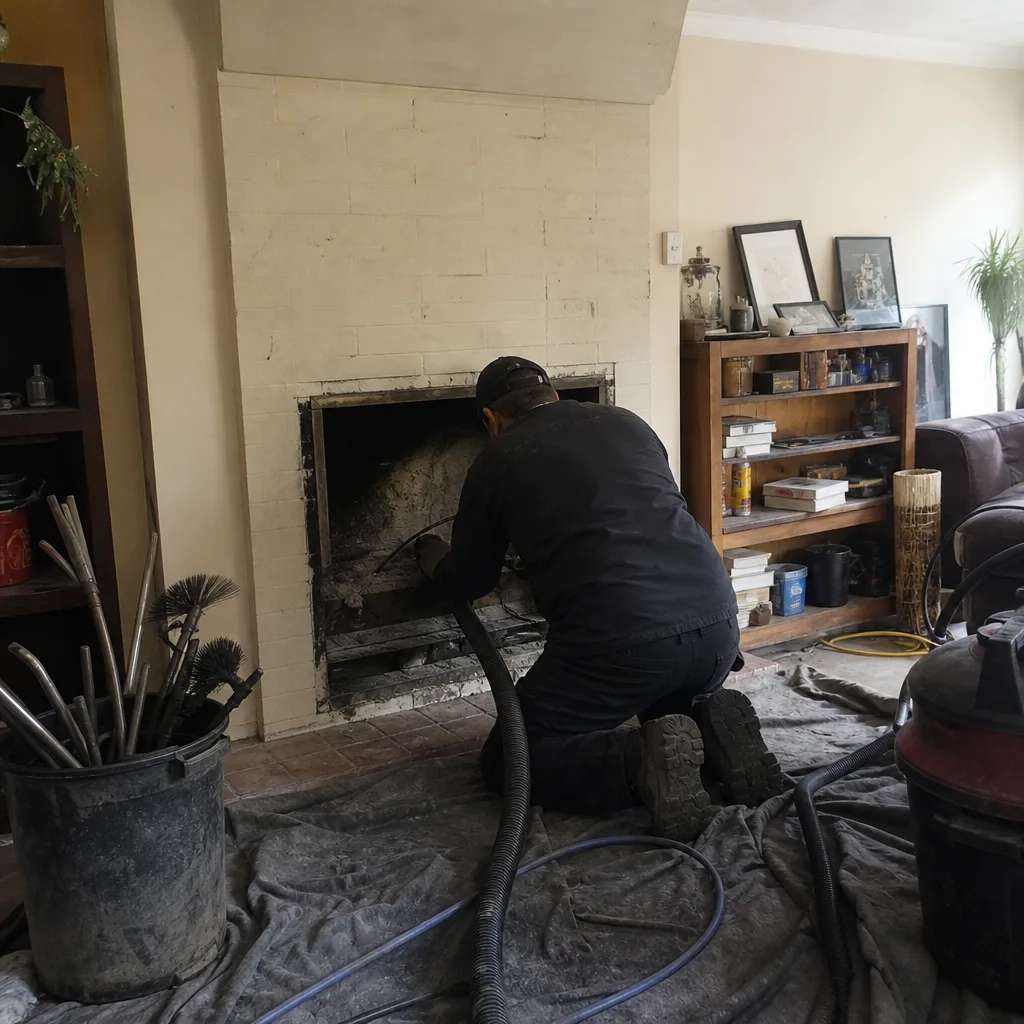 Before
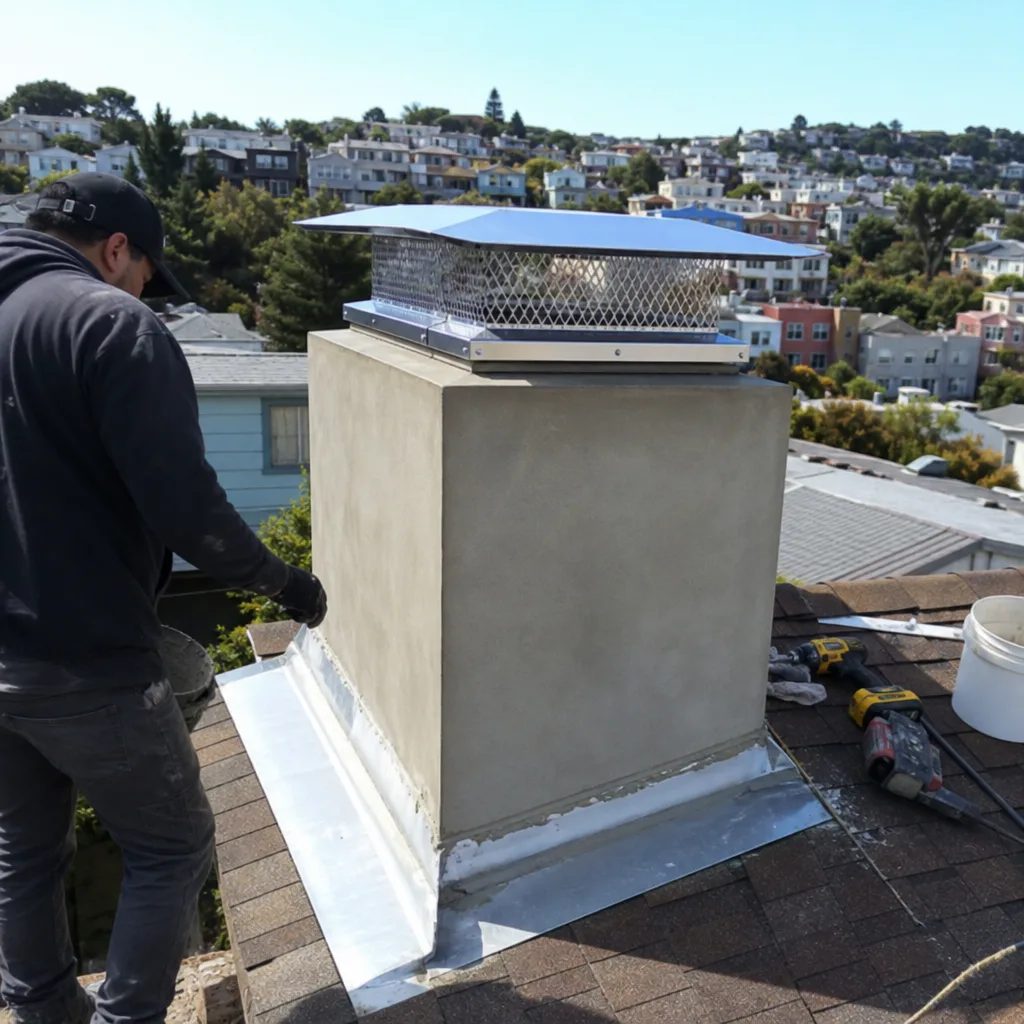 After
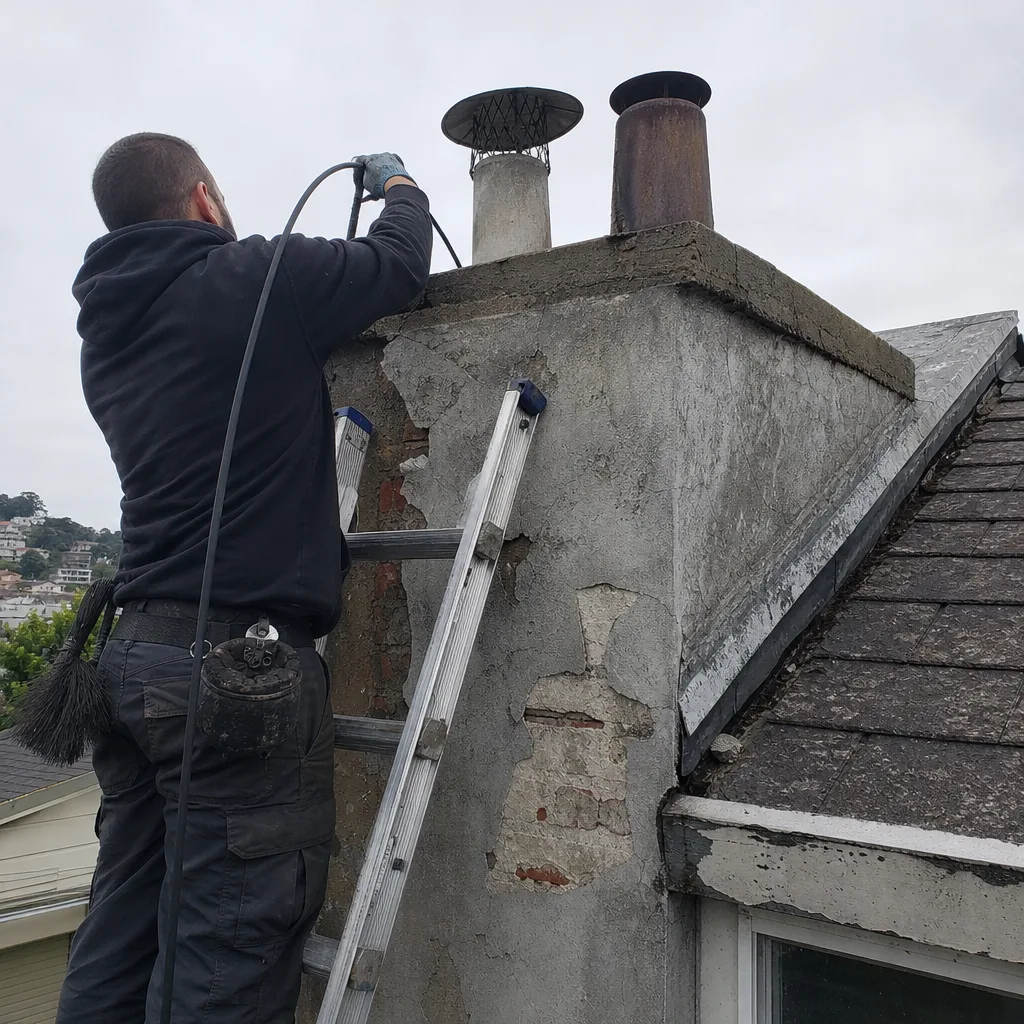 Before
 After
 Before
 After
When to Call a Professional
You don’t need a professional for managing dampers, checking your cap from the ground, or clearing the firebox. You do need one when the situation involves anything inside the flue or on the roof, or when permits, codes & inspections in CA apply. Specifically: when you haven’t had a flue inspection in over 18 months, when you’ve had a chimney fire of any size, when you detect animals in the chimney, when the fireplace drafts poorly on windy days, when you see spalling brick or large cracks in the chimney exterior, when your roof is steep enough to make a ladder unsafe, or when your dryer vent hasn’t been cleaned in over two years. Chimney Sweep Bernal Heights offers free estimates in Bernal Heights. Call (844) 745-4668 to schedule a post-rain inspection or a seasonal checkup.
Frequently Asked Questions
A chimney in Bernal Heights should be swept and inspected at least once per year, ideally in late February or March after the wet season has ended. This schedule catches water damage at its most visible, removes creosote accumulated over the light winter burning season, and leaves your chimney clean before the summer fog cycle begins. Homes that burn unseasoned wood or use the fireplace heavily may need a second sweep mid-season.
Yes, because the sweep appointment is really an inspection. The brushing removes creosote, but the camera inspection of the flue interior and the assessment of the crown, cap, and flashing are what catch water damage, animal intrusion, and liner deterioration before they become expensive. A lightly used chimney in Bernal Heights still endures the full wet season and summer fog cycle, and those elements cause damage regardless of whether you ever light a fire.
The most cost-effective time for chimney repair in Bernal Heights is late spring through early summer. Contractors have more scheduling flexibility after the winter rush, and tile and mortar work has a full stretch of dry weather to cure properly. The same repair in November costs the same on paper, but the curing conditions are worse, the scheduling is tighter, and small issues may go unaddressed until spring if materials don’t arrive in time.
A dormant chimney that smells musty is almost always signaling water intrusion or accumulated creosote interacting with humidity. The fix is a full sweep and inspection to identify and address the moisture source, whether that’s a cracked crown, failed flashing, or a missing cap. A top-sealing damper helps isolate the flue from the living space if the odor persists after the water problem is solved.
White staining, or efflorescence, is caused by water moving through masonry and carrying mineral salts to the surface, where they crystallize. In Bernal Heights, the primary driver is the summer fog cycle that wets the chimney exterior every night and allows it to dry every afternoon. The fix is addressing the water entry point, typically through crown repair or proper drip-edge installation, not scrubbing the brick.
No, because lint buildup happens inside the vent line, not at the points you can easily see. The dryer’s lint trap catches only a small percentage of total lint produced, and the rest accumulates in the vent line over time. A professional cleaning removes the entire layer of built-up lint, reducing fire risk and improving dryer efficiency. Call (844) 745-4668 for a dryer vent assessment in Bernal Heights.
The only way to know is through a camera inspection that shows exactly what’s happening inside the flue. Spalled tiles, cracked mortar joints, and areas where gases are bypassing the liner all indicate a problem. Depending on the extent of the damage, repair options range from a full liner replacement using a system like DuraFlex to a resurfacing process like HeatShield that restores the existing liner at a lower cost. We show every homeowner the camera footage before recommending any work, so the recommendation is based on visible evidence, not guesswork.
A sweep is the physical removal of creosote, soot, and debris from the flue walls. An inspection is a thorough assessment of the entire chimney system, including the flue interior, crown, cap, flashing, damper, and firebox. In our service model, every sweep includes an inspection as a standard part of the appointment, because the sweeping process reveals surface deposits while the camera inspection reveals structural and safety conditions that need attention.
The Bottom Line
Bernal Heights homeowners who align their chimney maintenance with the actual climate cycle, not a New England calendar, catch problems earlier, pay less for repairs, and avoid the fall booking crunch that leaves so many chimneys going into the rainy season unaddressed. The schedule is simple: primary sweep and inspection in late February or March, a light fall verification before your first fire, and constant attention to your dryer vent as part of your overall ventilation safety picture. If you’re reading this and you’re not sure when your chimney was last inspected, if you noticed water staining or a musty smell in the fireplace, or if you’re a landlord in Bernal Heights responsible for annual chimney and dryer vent compliance, call (844) 745-4668 for a free estimate. We’ll schedule you into the next available slot and give you an honest assessment based on visible evidence, not a sales quota.
Written by the team at Chimney Sweep Bernal Heights, serving Bernal Heights since 2016.